Ajusco at 3900 m and Nevado de Toluca at 4680 m serve different purposes in the Mountain Guide programme. Ajusco is the first controlled outing after a night in Mexico City. Nevado de Toluca raises the high point by almost 800 m and shows how a participant copes with a second mountain day in a row. Both stages end lower down, and the programme then moves to the night at 4000 m and to Iztaccihuatl at 5230 m.
These two summits cannot be treated as interchangeable walks. Their value lies in the sequence, in the movement on the route and in the recovery after the descent. A high road approach does not by itself create acclimatisation and does not replace the work done by legs, breathing, eating and attention.
Two outings, two different checks
The first day is there to show how you are after the flight and a night at 2300 m, without going straight to serious altitude. The second adds accumulated effort: a participant starts the route already having done Ajusco, climbs again, descends and then has to recover before the Iztaccihuatl stage.
| Stage | Maximum altitude | Sleep after the outing | What is being checked |
|---|---|---|---|
| Mexico City | 2300 m | 2300 m | Sleep after the journey, condition and kit |
| Ajusco | 3900 m | Mexico City, 2300 m | Pace, clothing, water and the response to the first gain in height |
| Nevado de Toluca | 4680 m | Cholula | A second effort, the descent and the recovery |
| The Iztaccihuatl huts | 4000 m | About 4000 m | The move from day outings to sleeping at altitude |
| Iztaccihuatl | 5230 m | Tlachichuca, 2900 m | A summit in its own right, above 5000 m |
| Orizaba | 5636 m | Descent | The main objective of the programme |
The table shows the published order, but it promises no identical response from the body. What it creates is several points of observation. A problem can be spotted before Iztaccihuatl and Orizaba, rather than only during the main push.
Ajusco is a quiet first day, not a competition
After the flight a participant has to check the footwear, how the pack sits, sun protection, water and the clothing layers. A mistake found on the first route is usually easier to put right than one found at the hut at 4000 m. So speed is not the point of the day.
Coming back to Mexico City leaves a lower night. That does not devalue the outing: the body gets its first stimulus at altitude, and the team sees the real pace and how people are. At the same time you can still eat properly, sleep and adjust your kit before the next trip out.
A good outcome on Ajusco is even movement, a kit that works, normal eating and no accumulated fatigue. A fast start followed by a sharp drop in pace yields less useful information and can spoil the next day.
Nevado de Toluca is the second and higher step
The next day the high point rises to 4680 m. What matters is not only the altitude but the fact that you come to it after the first route. You have to move again, keep up the water and the food, descend safely, transfer and recover before the Iztaccihuatl huts.
Nevado de Toluca helps show how steady the pace is and whether someone can carry on with a multi-day programme. A strong one-off day says nothing about how the feet and knees feel in the morning, whether the boots dry in time, whether there is enough food and whether a sleep problem is building up.
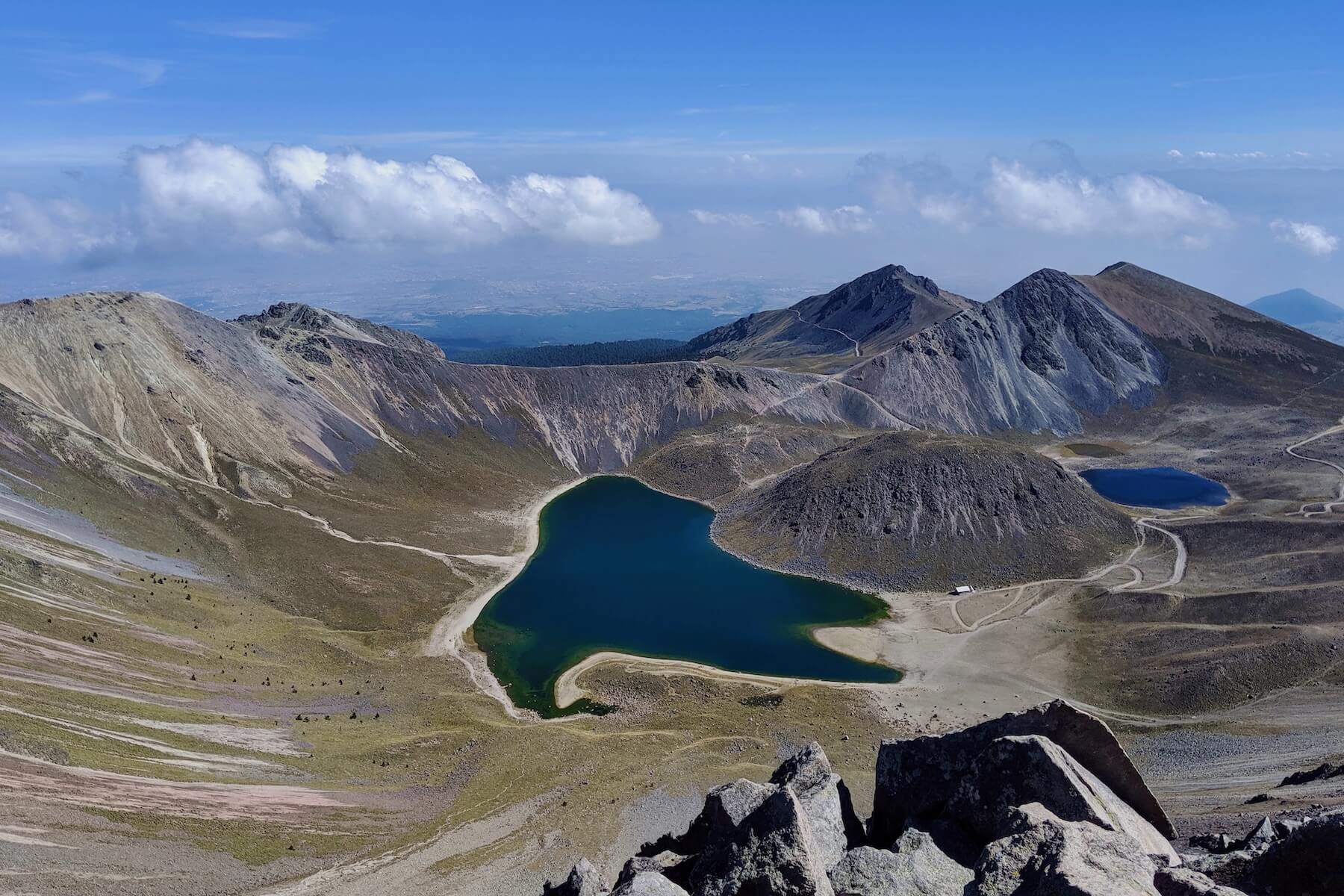
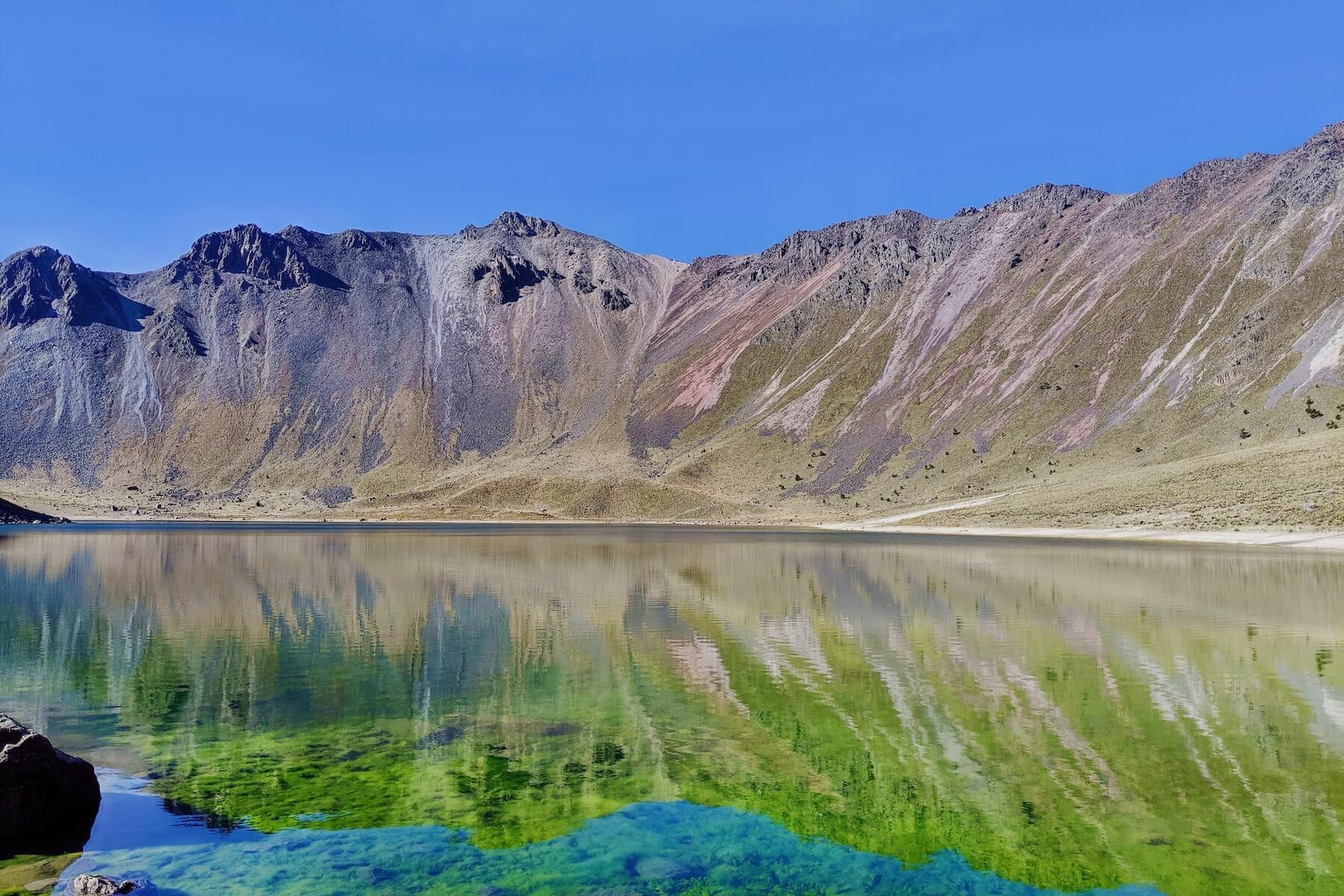
The crater terrain and the high lagoons make this a route in its own right rather than a technical pause. Even so, the actual start point and access to the area depend on the road and on the rules in force. An old trip report is no guarantee of the same approach on a particular date.
Why a road approach does not replace an acclimatisation outing
A road can lift a group quickly to a high mark, but a drive does not test sustained movement, breathing, eating and descending. An acclimatisation day makes sense when a participant really works on the route and then recovers. So comparing programmes by the altitude the road reaches is the wrong measure.
The speed of a vehicle can become a constraint in itself. The body may find itself at altitude faster than it would on a walking approach, and it does not get the missed hours of adaptation automatically. The plan has to allow for the rate of gain, the length of the stops, how people are and the ability to descend safely.
If the road is closed or the transport cannot reach the usual point, the length and the effort change. The organiser has to explain how that affects the day and the stage after it, rather than treating any visit to the area as an equivalent substitute.
What the guide compares between the first day and the second
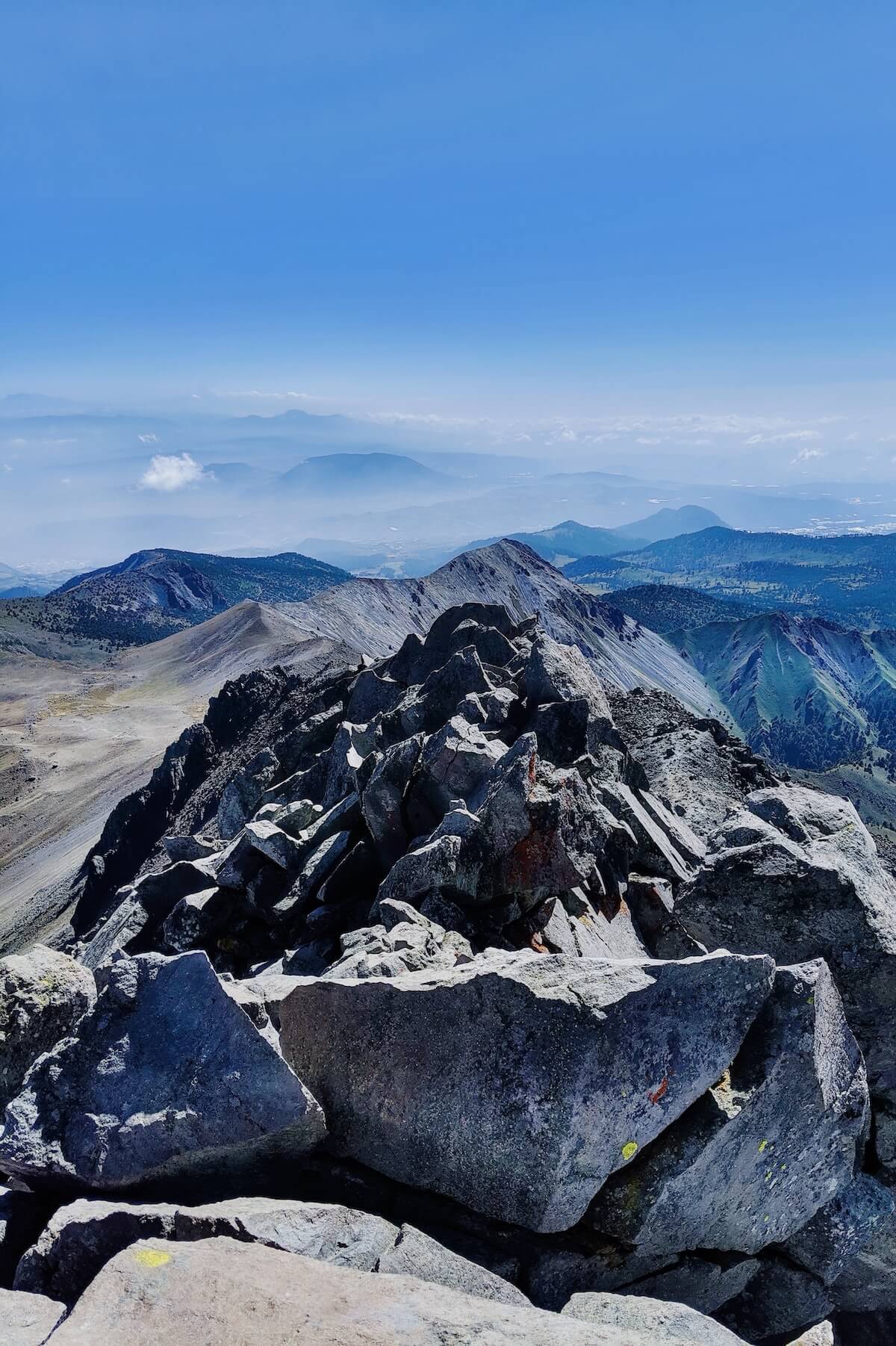
How someone is doing is judged over time. One reading in the morning, or the absence of a headache, does not prove readiness for the whole programme. What matters is the changes in pace, appetite, sleep, coordination and the ability to do ordinary things after two outings in a row.
- An even pace, without constant bursts and long stops
- The ability to drink and eat regularly on the move
- How the boots, socks, pack and sun protection are working
- Keeping your attention on the descent
- The state of feet, knees and ankles the next morning
- Sleep, appetite and general recovery between the days
A participant’s job is to report changes honestly, not to argue their way onto the next summit. The decision is taken on the whole picture. This article does not replace an individual medical assessment.
Common mistakes at the start of the programme
The first mistake is to treat a night in Mexico City as full acclimatisation. An altitude of 2300 m helps after the flight, but it does not replace moving to nearly 4000 and 4700 m. Ajusco should still be taken calmly, without trying to test your fitness with speed.
The second mistake is to disregard the descent. It is on the way down that problems with feet, knees and concentration most often show. The day ends after a safe return and recovery, not at the high point.
The third mistake is to leave the warm clothing, the torch or the sun protection in the main luggage. High-mountain conditions can appear on the very first outings. The day sack is packed for the day as it really is, not on the principle that “technical equipment is only needed on Orizaba”.
The fourth mistake is to try to make up for poor sleep with a faster pace. The programme is dense. Extra activity in the evening and a shortage of recovery take away from the summits still to come.
Recovery between Ajusco, Toluca and Iztaccihuatl
Acclimatisation carries on after you get back from the route. What is needed is a calm descent, food, water, sleep, drying your kit and getting ready for an early departure. After Nevado de Toluca the transfer to Cholula and packing for the Iztaccihuatl huts are added to that.
How you are in the morning matters more than how you felt straight after the summit. Pay attention to appetite, headache, unusual weakness, the quality of sleep and the willingness to move again. Any noticeable decline is reported to the guide before the next gain in height begins.
The value of a multi-day route is that it gives several observations. If someone walks more slowly but recovers reliably, that is one picture. If they get through the first outing quickly and lose their reserves on the second, the decision will be different.
Access, roads and what counts as an equivalent substitute
The rules on visiting high-altitude protected areas and the state of the roads are checked against your dates. General recommendations for visiting high-mountain areas safely are issued by CONANP.
A substitute for a closed objective is judged on the actual effort, the sleeping altitude, the highest point and its place in the programme. Another summit, a walk or a drive out may be interesting, but they are not obliged to have the same effect before Iztaccihuatl and Orizaba.
Before paying, get written confirmation of the start points, the transport arrangements, the departure times and what happens if a road or an area closes. Conditions that change are checked afresh for every group.
How to prepare for two outings in a row
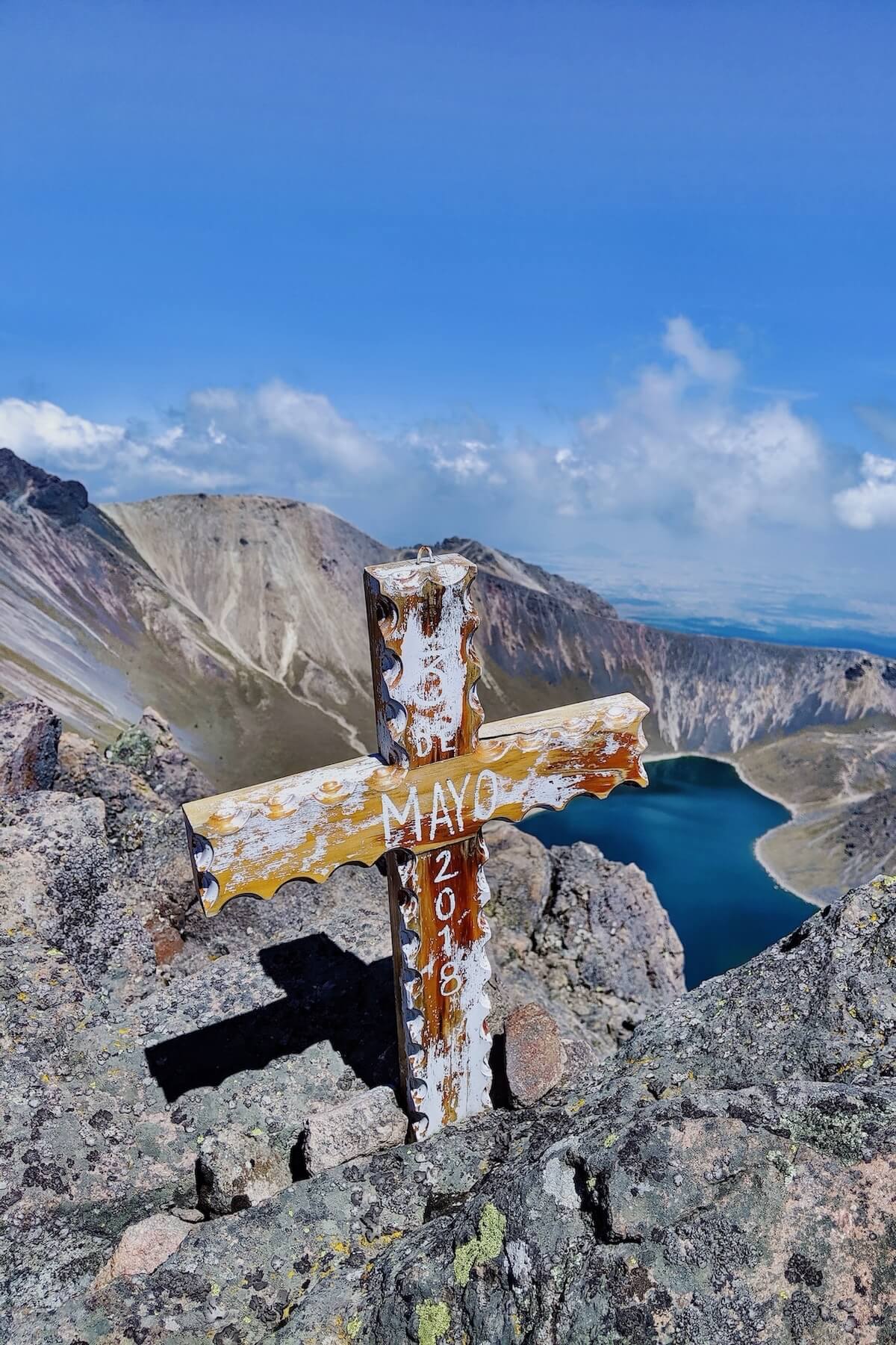
Preparation has to include not only one long day but pairs of demanding days. Long ascents, stairs, descents over uneven ground, a moderate pack and a steady aerobic pace all help. The volume is built gradually, so that you do not arrive in Mexico overloaded or injured.
In training, test the boots, the socks, the pack, the sun protection, the wind layer, the water and the food. A participant should be able to add or remove clothing quickly without a long stop. Choose the food you can genuinely manage to eat while moving.
After a test pair of days, what you assess is not a record but the recovery: the quality of sleep, the state of your legs, your appetite and whether you are ready to work again in the morning. If the second day collapses, the training plan needs adjusting in good time.
The full plan is set out in the article “Preparing to climb Orizaba”, and the altitude logic of what follows in the article about Iztaccihuatl.
Who this start to the programme suits
The two first outings suit someone with good general endurance, stability on descents and a readiness to move as the group decides. They do not turn an unprepared person into a ready climber in two days. Fitness is built before the trip; the route tests how it works at altitude.
Someone who arrives with current acclimatisation may find the early stages too long. That is a reason to discuss a separate short product, not to strike days out of the published programme. What is needed is the dates of the previous mountain, the maximum altitude, the nights slept at and how the body responded.
For someone with no experience above 4000 m the sequence provides several checkpoints, but it does not guarantee tolerance of altitude. If there is a noticeable decline, the plan changes. The summits remain an objective, not an obligation on either the organiser or the participant.
What these two days do not prove
A successful Ajusco and Nevado de Toluca do not guarantee that a participant will cope equally well with a night at 4000 m or with movement above 5000 m. The maximum daytime altitude, the sleeping altitude and the length of the effort all act differently. So the first outings are steps for observation, not a medical test with an automatic verdict.
Nor does a fast pace equal good readiness. If someone constantly goes ahead, misses meals, waits a long time for the group in the wind and recovers badly, speed becomes a drain on their reserves. For a nine-day programme, repeatable work at the group’s pace matters more.
One good day does not cancel a problem with equipment. Rubbing, a sore knee, water that freezes or an awkward pack can all become more serious on the next route. Among other things, the early stages are there so that such faults are put right before the Iztaccihuatl huts.
Finally, these summits do not prove technical readiness for the snow and ice on Orizaba. Working in crampons, using an ice axe and a harness, and moving in the cold at night all need separate practice. Acclimatisation and technique complement each other; neither replaces the other.
How to pack the day sack for Ajusco and Toluca
The first day sack should already be ready on the morning of the second day. It needs sun protection, a wind layer and an insulating layer, water, food, personal medication, a torch if the guide says so, and the group’s means of communication. The exact list depends on the forecast and the route, so the final decision is taken against the dates.
Things are packed so that you do not have to take the whole rucksack apart every time the weather changes. Jacket, gloves and water have to be quickly reachable. Documents and electronics are protected from rain and dust. Leave empty space for the layer you take off while moving.
On the second outing it helps to keep the same packing order. Then you can see what worked on Ajusco and what needs changing. If the water was awkwardly placed, the food went untouched or the straps rubbed, the problem is fixed before Nevado de Toluca rather than carried further.
After the descent, check your kit before the transfer: dry the boots and socks, charge the torch and the phone, replace what has been used. Such practical order looks trivial next to the altitudes, but it is what lets you start the next day without lost time and without leaving something behind.
Short answers about Ajusco and Nevado de Toluca
Can only one of the two summits be kept? That would change the published sequence of altitudes. One mountain is not counted as the equivalent of another merely because both come before Iztaccihuatl. What gets compared is the altitude, the length, the terrain, where you sleep and the time allowed for recovery.
If a participant is already acclimatised, are both days needed? That is settled by the dates and the profile of the earlier trip. What is needed is the maximum altitude, the altitudes slept at, how long the work lasted and how long has been spent back at low level. Simply saying “I was in the mountains recently” is not enough to change a programme.
Is technical equipment needed on the first summits? The exact kit is determined by the current route and conditions. You cannot automatically carry the Orizaba set on every day, nor leave everything technical in the city. The final list has to separate the items by stage.
What happens if Ajusco was hard going? The guide assesses the cause and the trend: the flight, sleep, pace, food, equipment, symptoms and recovery. The next outing is not automatic. The plan can change if going on gaining height does not match a participant’s condition.
Decisions like that cannot be reduced in advance to a single figure or rule. Two people who reach the same maximum altitude may cope very differently with sleep, with the descent and with a second demanding day. So the organiser needs facts about your previous experience, and the guide needs honest information about how you are now.
Before the trip it is worth writing down the dates of your recent mountains, the altitudes of your day outings and of the nights you slept at, the equipment you used and the reasons you have turned round in the past. Such a list helps you discuss the route concretely, and it does not replace a medical consultation or the team’s decision on the ground.
After each of the first two days it helps to make a short note: time spent moving, what you managed to eat and drink, where the discomfort started, how the clothing worked and how far your legs recovered. Comparing the notes helps you spot a trend that is easy to miss on a busy trip. The notes are there to pass on observations, not to turn into a self-diagnosis. Show it to the guide before the next outing if anything has changed.
It is also worth checking the forecast, the start time and the contents of the day sack in the evening. Changes in the morning are possible, but a sack packed in advance reduces the fuss and helps the whole group leave without extra delay.
What to check before booking
- Confirmed start points and places to sleep
- The transport arrangements and the luggage allowance
- Who leads each mountain day and the ratio of guides to participants
- What happens if a road or the park closes
- What clothing and footwear are needed as early as Ajusco
- Where the water comes from and what the food includes
- How a change to the first or second day affects Iztaccihuatl
After that, compare the whole acclimatisation scheme before Orizaba and the character of the final climb. The exact sequence, the services included and the conditions in force are on the page for the nine-day Mexican volcanoes programme.