- Guides
- B2B
-
#19607 (no title)
-
#15972 (no title)
- Climb Elbrus Individually
- Climb Elbrus from the South, 9 Days
- Climb Elbrus from the South, 7 Days
- Climb Elbrus from the South with Oxygen
- Climb Elbrus from the North, 10 Days
- Two Summits of Elbrus, 9 Days
- Elbrus Traverse from South to North, 9 Days
- Elbrus Traverse from North to South, 10 Days
- Cross of Elbrus, South to North, 9 Days
- Cross of Elbrus, North to South, 10 Days
- Climb Kazbek and Elbrus — 10-Day Two-Summit Expedition
- Climb Elbrus from the West, 11 Days
- Elbrus by Private Helicopter, 3 Days
- Elbrus Region Holiday and Trekking, 9 Days
- Elbrus Region Holiday, 7 Days
- Tinder Tour: Climbing Mount Elbrus, 9 Days
- Climb Elbrus from the South, 9 Days with Sergey Baranov
-
#15539 (no title)
- Climb Carstensz Pyramid, 8 Days with Helicopter Access
- Climb Mont Blanc, 4810 m — 8-Day Guided Ascent
- Climb the Matterhorn, 4478 m — 8-Day Guided Ascent
- Climb Mount Vinson, 15-Day Antarctic Expedition
- Climb Kosciuszko and Travel in Australia, 7 Days
- Climb Fisht, 2868 m — 3-Day Ascent by the 1B Route
- Climb Mount Wilhelm, 6 Days
-
#15546 (no title)
- Climb Kilimanjaro: the Marangu Route
- Climb Kilimanjaro: the Lemosho Route
- Climb Ararat, 5137 m — 7-Day Classic Climb
- Climb Kazbek from the South, 5033 m — 8 Days in Georgia
- Climb Kazbek and Elbrus — 10-Day Two-Summit Expedition
- Climb the Volcanoes of Mexico — Orizaba and Iztaccíhuatl, 9 Days
- Climb Alpamayo — 16-Day Technical Expedition
- Climb Margaret Peak (Stanley), 5109 m
- Climb Mount Kenya: Point Lenana, 4985 m
- Climb Dykh-Tau by the North Ridge, 13 Days
-
#15554 (no title)
- Aconcagua Climb — 17-Day Guided Expedition
- Island Peak Climb — 18-Day Expedition
- Climb Mera Peak, 6476 m — 16-Day Hinku Valley Expedition
- Climb Ama Dablam, 6812 m — 24-Day Expedition with Island Peak
- Climb Island Peak and Mera Peak — 24-Day Two-Summit Expedition
- Aconcagua and Ojos del Salado — 25-Day Combined Expedition
- Ojos del Salado Climb — 15-Day Expedition
- Climb Chimborazo and Cotopaxi — 14-Day Ecuador Expedition
- Climb Huascarán — 8-Day Technical Ascent
- Climb Razdelnaya Peak, 6148 m — 15-Day Pamir Expedition
- Climb Denali by the West Buttress, 23 Days
- #15565 (no title)
- #15572 (no title)
-
#15972 (no title)
-
#19592 (no title)
-
See 8000m
- K2 Base Camp Trek via the Gondogoro La
- Everest Base Camp Trek — 14 Days
- Everest Base Camp via Gokyo Lakes — 15 Days
- Short Everest Base Camp Trek in 10 Days
- Annapurna Circuit and Tilicho Lake Trek
- Manaslu Circuit Trek
- Kanchenjunga Circuit Trek (XXL)
- Kanchenjunga North Base Camp Trek (Short)
- Kanchenjunga from India: the Goecha La Trek in Sikkim
- Makalu Base Camp Trek
- Annapurna Base Camp Trek
- South America
- Asia
- Africa
-
Russia
- Elbrus Region Holiday and Trekking, 9 Days
- Elbrus Region Holiday, 7 Days
- Oshten + Kardyvach — 9-Day Western Caucasus Trek
- Lake Kardyvach — 5-Day Base-Camp Trek
- Route 30: Through the Mountains to the Sea, with Oshten — 4 Days
- Trekking in Arkhyz — 7 Days over the Ayulyu Pass
- Gvandra Trek — 7 Days to the Ullu-Kyol Lakes
- Trekking in Dombai — 7 Days with the Murudzhu Lakes
- Europe
-
See 8000m
-
Adventures
-
Africa
- جولة المغرب: قلب شمال أفريقيا
- تسلق توبقال وثقافة المغرب
- Eritrea: the Dahlak Archipelago and the Rashaida Nomads
- Rwanda: Mountain Gorillas and the Bisoke Volcano
- Ethiopia: Otherworldly Landscapes and the Peoples of the Omo Valley
- جولة أوغندا: كوينز بارك والغوريلا الجبلية
- Tanzania Safari: Serengeti, Ngorongoro and Tarangire
- جولة أوغندا: وحيد القرن الأبيض والغوريلا الجبلية
- Zimbabwe and South Africa: Victoria Falls, Cape Town and the Cape of Good Hope
- Namibia: Etosha National Park and the Himba
- Kenya Safari: the African Big Five
- جولة بوتسوانا: دلتا أوكافانغو وتشوبي بارك
- South America
- Asia
-
Africa
- Ski-touring
- VIP
- #19722 (no title)
- About
Climb Damavand, 5610 m — 7-Day Southern Route
- Height (m)
- 5610
- Duration
- 7 дней
- Difficulty
- Low
- Continent
- Asia
- Children
- Ages 12+
- Accommodation
- No nights in tents
1500 $
Почему такая цена?
Тур временно недоступен
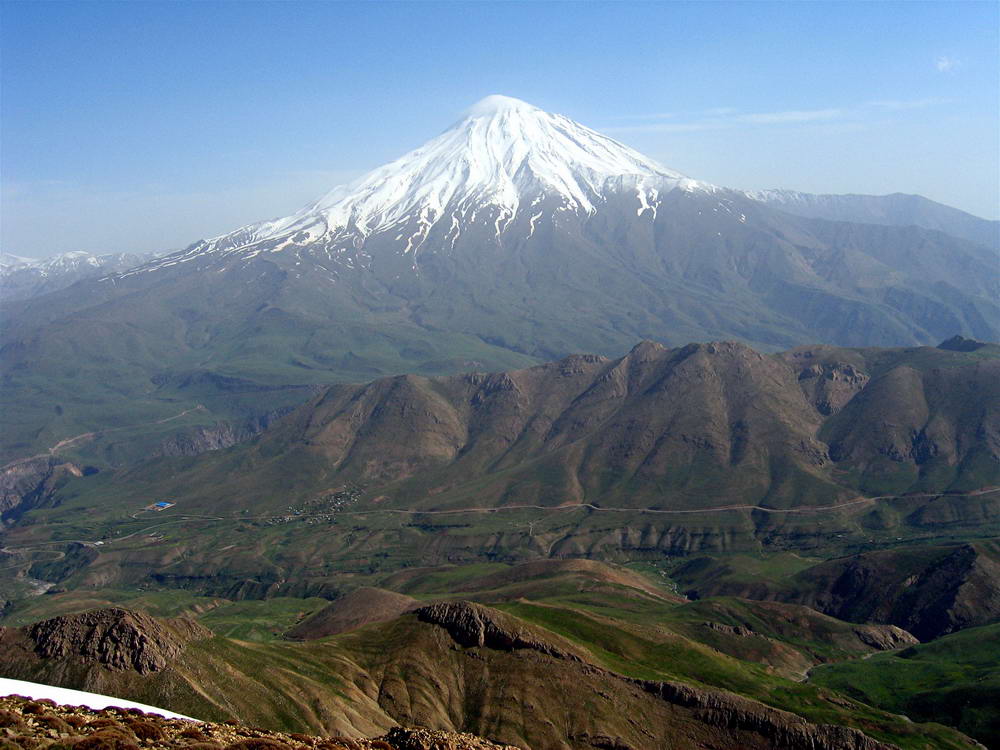
Climbing Damavand by the classic southern route — a seven-day trip on the highest summit in Iran and one of the principal volcanoes of the Seven Volcanoes project. The route passes through Polur and the high hut of Bargah-e Sevom, with a separate day for acclimatisation before the summit attempt.
The route is not a technically difficult one, but the altitude of 5610 m, the long summit day, the wind and the volcanic gases near the crater all demand good fitness and discipline. The trip is a natural next step after a first experience of altitude and lets you test your readiness for longer expeditions.
In the main version the group is accompanied by an experienced guide who manages the pace and the acclimatisation, helps with equipment and takes safety decisions together with the local team.
Important. The trip runs for private groups only. There are no open dates and no fixed price at present: whether the trip can go ahead, its timing, the composition of the team and the cost are confirmed after the current situation, the permissions and the availability of the local team have been checked. Mountain Guide does not sell air tickets and does not process visas.
About the Damavand climb
Damavand rises in the central part of the Alborz range and is the highest mountain in Iran. It is a stratovolcano with a well-defined cone, a crater and fumaroles near the summit. There are sulphur deposits on the upper slopes, and with the wind in certain directions the volcanic gases can cause coughing and irritation of the eyes and airways. Even on technically straightforward terrain, therefore, the guide assesses not only the pace but the state of the air on the route.
The trip follows the most developed southern approach. From Tehran the group travels to Polur and then climbs to Bargah-e Sevom at about 4250 m. A separate day at the high hut is used for an acclimatisation excursion, for rest and for checking clothing. The summit attempt starts early and ends with the return to the same hut.
The main difficulty on Damavand is not technique but the rapid move from the city to above 5000 m. A seven-day schedule softens the gain in altitude, but it does not guarantee that altitude illness will not occur. A participant should build endurance in advance, be able to keep an even pace for a long time and report any symptom to the guide. The decision to continue or to turn around rests with the leader, and the summit cannot be promised.
Damavand suits a first 5000 m peak after a successful record on lower summits, or a check before a longer high-altitude expedition. It can be combined with a cultural route through ancient Persia from Tehran to Isfahan, but that continuation is booked separately and depends on current availability.
The local team is responsible for the regional logistics and for access to the route. Entry conditions, permissions and whether the trip can run at all are always re-checked before the trip.
Guided Damavand climbing itinerary, 7 days
Day 1. Arrival in Tehran.
A member of the team meets the group at the airport and arranges the transfer to the hotel. After checking in there is an introduction to the guide, an equipment check and a detailed briefing on the southern route. The task of the day is to rest after the flight and to resolve any equipment problem before the departure for the mountains. Night in a hotel.
Day 2. Drive to Polur, 2270 m.
After breakfast we leave Tehran for the mountain complex at Polur. We settle in, check personal kit and take a quiet walk in the surroundings. A light load helps the adaptation to altitude begin without fatigue before the main stage. Night in the Polur hut.
Day 3. Walk to the Bargah-e Sevom hut, 4250 m.
We drive up to the base point at about 3040 m and then start the walk to Bargah-e Sevom. The climb takes about 4–6 hours. The group moves at a steady pace so that the body’s reaction to a significant gain in altitude can be monitored. After settling in we rehydrate and prepare clothing for the acclimatisation excursion. Night in the hut.
Day 4. Acclimatisation and preparation.
We make an acclimatisation excursion above the hut and return to sleep at Bargah-e Sevom. The altitude and the duration are set by the guide according to the condition of the group and the weather. After the descent participants rest and prepare warm clothing, headtorches, water and a snack, while the guide checks again how everyone is feeling and announces the start time. Night in the hut.
Day 5. Ascent of Damavand, 5610 m.
The start is planned for around 04:00 to 05:00. The climb usually takes about 5–7 hours, but the actual time depends on the pace, the state of the route and the weather. Closer to the crater there may be strong wind and volcanic gases. If anyone’s condition deteriorates, if the weather is unsafe or if the control time is exceeded, the guide turns the participant or the group back. After the attempt we descend to Bargah-e Sevom. Night in the hut.
Day 6. Reserve and return to Tehran.
The day is provided in case of unfavourable weather or a need to move the summit attempt. If the ascent took place the day before, after breakfast we descend to the base point, drive through Polur to Tehran and check into the hotel. If the reserve is needed for a second attempt, the guide will adjust the subsequent schedule and the return. A night in a hotel if the mountain section finishes to the main plan.
Day 7. End of the trip.
After breakfast, at the agreed time, there is a transfer to the airport. Participants check in for their international flight themselves. If the reserve day was used on the mountain, the trip leader confirms the actual closing logistics.
What's included
- A lead guide throughout the climbing trip, with additional assistant guides on summit day
- All the transfers set out in the itinerary
- All the accommodation set out in the itinerary — hotels and mountain huts
- Climbing permits
- Meals during the trip while staying in the camps on the route
- The excursions set out in the itinerary
- All group equipment
What's not included
- International and domestic flights
- The Iranian visa
- Personal equipment
- Mountaineering medical insurance
- Lunches and dinners in the towns
- Costs arising from any change to the itinerary
- Rescue operations and evacuation
- Tips
- Drinks
The Damavand climb for private groups
The trip is available only to a private or corporate group formed in advance. There is currently no open-group departures, no fixed dates and no published price.
Before confirming, we check again the current situation, the entry requirements, the permits, whether the mountain huts are operating, the local team’s availability, and whether the route can be done safely. Dates and the quote are worked out for the particular group and its level of preparation.
Documents you need
Document requirements depend on your nationality and can change. Check them before you buy non-refundable tickets, and again before you fly. The first name and surname on every booking must match the spelling in your passport exactly.
Mountain Guide does not sell air tickets and does not arrange entry visas, but it does provide the booking confirmations it holds and the documents issued by the host team.
Documents
- A valid passport
- A visa or other entry permit for Iran, if one is required for your nationality
- International and domestic air tickets, or e-ticket receipts, for the trip
- Medical insurance covering high-altitude mountaineering, a maximum altitude of at least 5610 m, search and rescue, and emergency evacuation
- Your insurance policy number and the insurer’s 24-hour emergency contact details
- Your booking confirmation for the trip and the organisers’ contact details
- Passport copies and photographs in the format requested for the climbing permit
- Documents for a participant under 18, where these apply
- Digital copies of your passport, visa, tickets and insurance on your phone and in cloud storage
- Waterproof wallet for your original documents
The documents needed for local permits, and the deadline for sending them, are confirmed for each departure. Carry the originals of your passport, insurance and permits in your hand luggage.
Weather and seasons
Ascents by the classic route are usually planned for the summer, when the approach to the refuge and the upper slope are more often accessible without winter expedition logistics. Whether a particular date is possible depends on permits, transport and the actual state of the mountain.
Even in summer there can be strong wind, snow, ice and sub-zero temperatures at altitude. One feature specific to Damavand is the volcanic gas high on the route: its direction and strength depend on the wind and can affect the guide’s decision.
A sudden loss of visibility, a change in how you feel, or the gas conditions are all grounds for turning back. The exact set of footwear, crampons, insulation and face protection is agreed before the trip.
Accommodation and meals
The trip combines town hotels with mountain huts. The specific properties, room category and number of nights are confirmed for the dates you choose. Single occupancy and extra nights are paid separately unless they are part of the offer.
On the mountain section you stay in a hut with shared rooms and simpler conditions than a hotel. Bring your own sleeping bag and the things you need for the night, following the agreed list.
Meals are included while you are in the camps on the route; in the version with a local guide, only breakfasts are included in the towns. Lunches and dinners in the towns are paid separately.
Tell us about food allergies and restrictions in advance. Whether a special menu is possible in the mountain hut depends on the food available.
Facilities on the route
Showers and toilets. Town hotels have the usual facilities. Toilet and washing facilities in the mountain hut are simpler; whether there is a hot shower and running water depends on how the infrastructure is operating and is confirmed before the trip.
Power and charging. You can charge devices reliably in town. What the hut can offer is limited and may depend on how busy it is, so bring your own power bank.
Internet and phone signal. Signal is better in town, but on the mountain and in the hut it can be unreliable. Continuous internet during the mountain section is not guaranteed.
Laundry and drying. Plan laundry for the town. For the mountain section you need spare dry underwear and socks, and dry bags for your kit.
Limits. High on the route, follow the guide’s instructions, stay with the group and do not linger in the volcanic gas zone.
Страхование
НаверхEquipment list for the Damavand climb
Скачать PDFYou bring all of your own personal equipment. Before the trip, agree your footwear, sleeping bag and technical kit with the guide, taking the season and the actual state of the route into account.
Documents
- Passport
- Air tickets or e-ticket receipts
- Medical insurance covering the stated activity and the maximum altitude of the trip
- We recommend keeping digital copies of your documents on your phone and in cloud storage
Personal equipment
- Rucksack of 30-50 litres
- Sleeping bag with a comfort rating of -10 °C or lower
- Trekking poles
- Crampons (needed on trips before June)
- Ice axe. Classic (needed on trips before June)
- Sleeping mat
Clothing and footwear
- Trekking boots that will take crampons
- Waterproof shell: jacket and trousers. The market runs from simple 5,000/5,000 membranes through to Gore-Tex garments
- Fleece top and bottoms
- Base layer, top and bottoms
- Down jacket with a hood
- Thick gloves
- Thin gloves
- Bandana (as well as sun protection in the valley, it can keep your throat or face warm in the cold)
- Warm hat
- Warm trekking socks for summit day
Other items
- LED head torch with at least 12 hours of battery life
- Sunglasses
- Ski goggles
- Vacuum flask, 1 litre. Preferably without a push-button lid
- Windproof face mask for the lower face (a scarf will do at a pinch)
- Gaiters
- Sun cream and lip balm
- Chemical hand warmers (not compulsory, but they can be very useful)
- Personal first-aid kit
- Elastic bandage and/or a support brace
Вам также будет интересно:
-
 3,900 $
Climb Chimborazo and Cotopaxi — 14-Day Ecuador Expedition
- Height (m)
- 5897, 6384
- Duration
- 11 дней
- Difficulty
- Moderate
- Continent
- South America
- Children
- Ages 14+
- Accommodation
- Hotels only
-
 3,136 $
Climb Kilimanjaro: the Marangu Route
-
 3,129 $
Island Peak Climb — 18-Day Expedition
- Height (m)
- 6165
- Duration
- 18 дней
- Difficulty
- Moderate
- Continent
- Asia
- Children
- Not suitable for children
- Accommodation
- Some nights in tents
-
 6,000 $
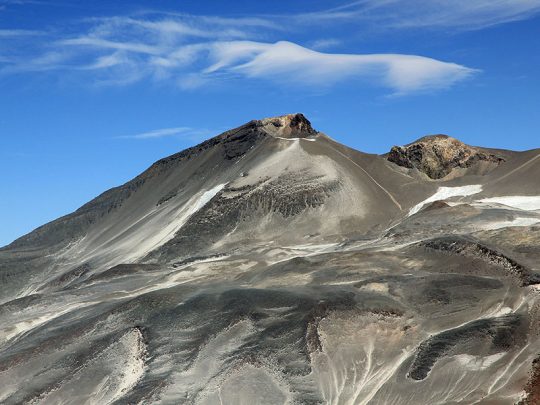
Ojos del Salado Climb — 15-Day Expedition
- Height (m)
- 6893
- Duration
- 15 дней
- Difficulty
- Moderate
- Continent
- South America
- Children
- Ages 14+
- Accommodation
- Tented accommodation
- suitable-for-beginners
- No