- Guides
- B2B
-
#19607 (no title)
-
#15972 (no title)
- Climb Elbrus Individually
- Climb Elbrus from the South, 9 Days
- Climb Elbrus from the South, 7 Days
- Climb Elbrus from the South with Oxygen
- Climb Elbrus from the North, 10 Days
- Two Summits of Elbrus, 9 Days
- Elbrus Traverse from South to North, 9 Days
- Elbrus Traverse from North to South, 10 Days
- Cross of Elbrus, South to North, 9 Days
- Cross of Elbrus, North to South, 10 Days
- Climb Kazbek and Elbrus — 10-Day Two-Summit Programme
- Climb Elbrus from the West, 11 Days
- Elbrus by Private Helicopter, 3 Days
- Elbrus Region Holiday and Trekking, 9 Days
- Elbrus Region Holiday, 7 Days
- Tinder Tour: Climbing Mount Elbrus, 9 Days
- Climb Elbrus from the South, 9 Days with Sergey Baranov
-
#15539 (no title)
- Climb Carstensz Pyramid, 8 Days with Helicopter Access
- Climb Mont Blanc, 4810 m — 8-Day Guided Ascent
- Climb the Matterhorn, 4478 m — 8-Day Guided Ascent
- Climb Mount Vinson, 15-Day Antarctic Expedition
- Climb Kosciuszko and Travel in Australia, 7 Days
- Climb Fisht, 2868 m — 3-Day Ascent by the 1B Route
- Climb Mount Wilhelm, 6 Days
-
#15546 (no title)
- Climb Kilimanjaro: the Marangu Route
- Climb Kilimanjaro: the Lemosho Route
- Climb Ararat, 5137 m — 7-Day Classic Programme
- Climb Kazbek from the South, 5033 m — 8 Days in Georgia
- Climb Kazbek and Elbrus — 10-Day Two-Summit Programme
- Climb the Volcanoes of Mexico — Orizaba and Iztaccíhuatl, 9 Days
- Climbing Alpamayo — 16-Day Technical Expedition
- Climbing Margaret Peak (Stanley), 5,109 m
- Climbing Mount Kenya: Point Lenana, 4,985 m
- Climb Dykh-Tau by the North Ridge, 13 Days
-
#15554 (no title)
- Aconcagua Climb — 17-Day Guided Expedition
- Island Peak Climb — 18-Day Expedition
- Climb Mera Peak, 6476 m — 16-Day Hinku Valley Programme
- Climb Ama Dablam, 6812 m — 24-Day Expedition with Island Peak
- Climb Island Peak and Mera Peak — 24-Day Two-Summit Expedition
- Aconcagua and Ojos del Salado — 25-Day Combined Expedition
- Ojos del Salado Climb — 15-Day Expedition
- Climb Chimborazo and Cotopaxi — 14-Day Ecuador Programme
- Climb Huascarán — 8-Day Technical Ascent
- Climb Razdelnaya Peak, 6148 m — 15-Day Pamir Expedition
- Climb Denali by the West Buttress, 23 Days
- #15565 (no title)
- #15572 (no title)
-
#15972 (no title)
-
#19592 (no title)
-
See 8000m
- K2 Base Camp Trek via the Gondogoro La
- Everest Base Camp Trek — 14 Days
- Everest Base Camp via Gokyo Lakes — 15 Days
- Short Everest Base Camp Trek in 10 Days
- Annapurna Circuit and Tilicho Lake Trek
- Manaslu Circuit Trek
- Kanchenjunga Circuit Trek (XXL)
- Kanchenjunga North Base Camp Trek (Short)
- Kanchenjunga from India: the Goecha La Trek in Sikkim
- Makalu Base Camp Trek
- Annapurna Base Camp Trek
- South America
- Asia
- Africa
-
Russia
- Elbrus Region Holiday and Trekking, 9 Days
- Elbrus Region Holiday, 7 Days
- Oshten + Kardyvach — 9-Day Western Caucasus Trek
- Lake Kardyvach — 5-Day Base-Camp Trek
- Route 30: Through the Mountains to the Sea, with Oshten — 4 Days
- Trekking in Arkhyz — 7 Days over the Ayulyu Pass
- Gvandra Trek — 7 Days to the Ullu-Kyol Lakes
- Trekking in Dombai — 7 Days with the Murudzhu Lakes
- Europe
-
See 8000m
-
Adventures
-
Africa
- جولة المغرب: قلب شمال أفريقيا
- تسلق توبقال وثقافة المغرب
- Eritrea: the Dahlak Archipelago and the Rashaida Nomads
- Rwanda: Mountain Gorillas and the Bisoke Volcano
- Ethiopia: Otherworldly Landscapes and the Peoples of the Omo Valley
- جولة أوغندا: كوينز بارك والغوريلا الجبلية
- Tanzania Safari: Serengeti, Ngorongoro and Tarangire
- جولة أوغندا: وحيد القرن الأبيض والغوريلا الجبلية
- Zimbabwe and South Africa: Victoria Falls, Cape Town and the Cape of Good Hope
- Namibia: Etosha National Park and the Himba
- Kenya Safari: the African Big Five
- جولة بوتسوانا: دلتا أوكافانغو وتشوبي بارك
- South America
- Asia
-
Africa
- Ski-touring
- VIP
- #19722 (no title)
- About
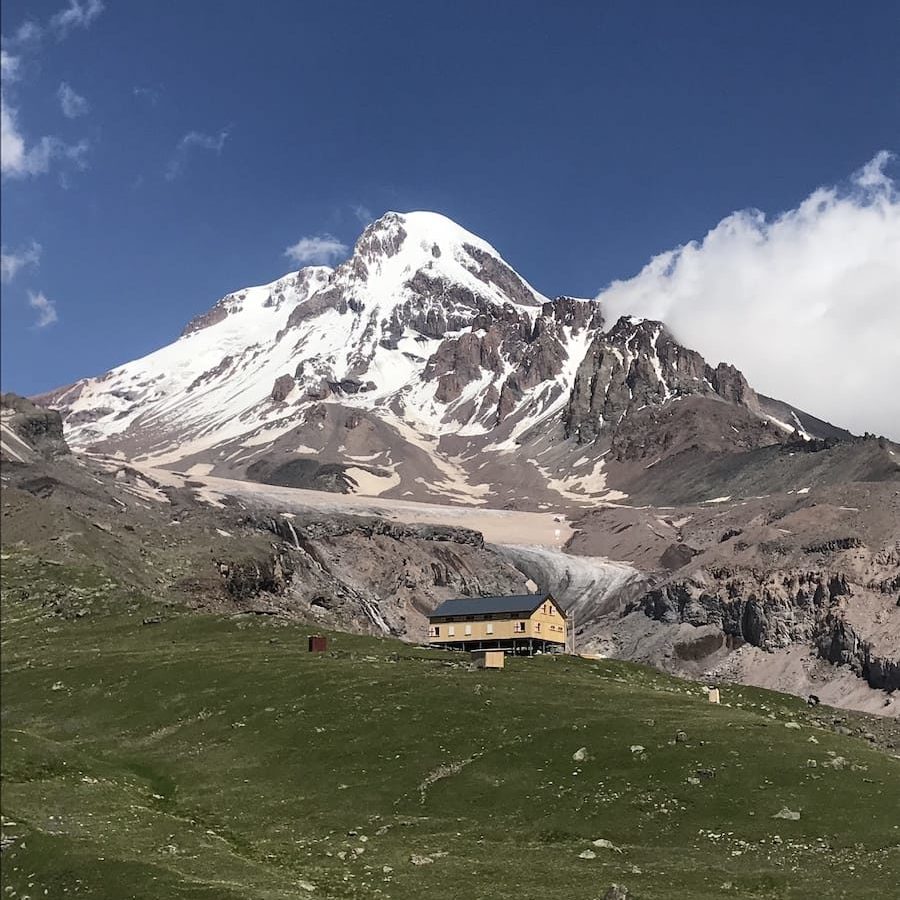
Climb Kazbek from the South, 5033 m — 8 Days in Georgia
- Height (m)
- 5642
- Duration
- 8 дней
- Difficulty
- Moderate
- Continent
- Europe
- Children
- No
- Accommodation
- Without tents
1960 $
Почему такая цена?
Climbing Kazbek, 5033 m, by the classic route from the Georgian side — an eight-day trip with a staged approach through Stepantsminda and the meteorological station at 3600 m.
Technically the ascent of Kazbek is fairly straightforward. The classic route is graded PD and consists mainly of walking on the glacier, apart from one 100-metre section in the couloir below the summit that calls for easy climbing on ice or firn and is no steeper than 40 degrees. Kazbek is also popular because the area is easy and convenient to reach.
The price is fixed in US dollars.
Important:
- Until the middle of June the horses do not go all the way up to the meteorological station because of the depth of the snow, and stop lower down depending on the snow cover. On the day you move up to the hut you will therefore need to carry part of your personal kit yourself, or hire a porter for it.
About the Kazbek climb
We offer an ascent of Kazbek, 5033 m, one of the highest and most beautiful summits of the Caucasus. It stands in the eastern part of the Central Caucasus, in Georgia. Like Elbrus, Kazbek is an extinct volcano, as its conical shape and the clear traces of an ancient giant crater show.
There are many tales, legends and points of history attached to the mountain. At 3800 m, in a cave whose entrance lies in the upper part of an 80-metre rock face, stands the ancient Betlemi (Bethlehem) monastery. In the chronicles of Kartlis Tskhovreba the monastery is mentioned as a repository of relics and church treasures. Its monks reached it along a long iron chain.
Other legends belong to more distant times, when after the quarrel in heaven over stolen fire Prometheus was chained to a rock. That rock stood on Kazbek.
The best-known place in the surroundings of Kazbek is the ancient Holy Trinity monastery of Gergeti, Sameba, built in the 14th century on the hill just above the village of Kazbegi. Kazbek is also known from Mikhail Lermontov’s works «A Hero of Our Time» and «Mtsyri».
An ascent of Kazbek is an excellent way to test yourself.
Kazbek by the classic southern route, 8 days
This trip could be shorter, but many years of experience have shown that in this case there are no «spare» days. It will not be easy.
Day 1. Arrival in Kazbegi.
The group meets in the village of Kazbegi (Stepantsminda) at the foot of Kazbek. You can get there independently or by transfer from Tbilisi or Vladikavkaz, arranged on request in advance. After checking into a comfortable guest house the group gathers for dinner, where participants and guides get to know one another. There is also a detailed briefing on the route, the necessary safety measures and the preparation of equipment. Night in a hotel.
Day 2. Walk to the Gergeti Trinity church, 2170 m.
We walk up to the highest working Orthodox church in the world, the Trinity church at Gergeti, 2170 m. This beautiful spot is not only rewarding for the views: it also starts the adaptation to altitude. On our return there is an equipment check and a discussion of the days ahead. Free time can be spent walking around the village. In the evening a substantial dinner and rest at the hotel.
Day 3. Move to the meteorological station, 3600 m.
An early start, a solid breakfast, and we set off for the meteorological station. The stage begins with a vehicle lift and continues as an acclimatisation walk. It takes about 7–9 hours and crosses the Saberce pass at around 3000 m. Along the way there are wide views of mountain landscapes, glaciers and alpine meadows. On arrival at the meteorological station, 3600 m, we settle in: the night may be spent either in the building itself or in tents, depending on conditions and on the group’s preference.
Day 4. Acclimatisation excursion to the chapel at 4000 m.
An acclimatisation day is an important stage in preparing the body for the climb. Today we make an excursion to the chapel at 4000 m. Climbing up and returning improves how you feel and helps you get used to the thin air. The day ends with rest and a night at the meteorological station, or in tents.
Day 5. Rest day.
A rest day. After several full days we recover before the main test. Participants are free to use the time as they wish: walking in the surroundings, enjoying the views or resting in camp. Night again at the meteorological station or in tents.
Day 6. Ascent of Kazbek, 5033 m.
The most important day: the ascent of the summit of Kazbek, 5033 m. The start is planned for the early hours, before dawn. The way to the summit takes about 8–10 hours, including the descent back to the meteorological station. The climb follows the glacier, so specialist equipment is used: crampons and ropes. On the summit the reward is extraordinary views and a sense of achievement. Back in camp, a well-earned rest. Night at the meteorological station or in tents.
Day 7. Reserve day.
A reserve day, which may be used in the event of bad weather or a delay in the schedule. If the ascent has gone to plan, today we descend to Kazbegi, enjoying the closing stage of the adventure. Accommodation in a hotel, with dinner and a comfortable atmosphere.
Day 8. End of the trip.
After breakfast participants continue independently or take an organised transfer, arranged on request. The day can be spent resting or exploring local sights before travelling home.
What's included
- A guide throughout the trip
- Horses up and down, 15 kg per person
- Mountain guides — 1 per 3 people on summit day
- The transfers set out in the itinerary: from Kazbegi up to the mountain and from the mountain back to Kazbegi
- Nights at the meteorological station or in tents beside it, as set out in the itinerary
- Three meals a day on the mountain
- Breakfasts during the hotel stays
- Assistance in obtaining the necessary permissions
- Group equipment
- A first-aid kit
- Accommodation in Kazbegi in a guest house or hotel in twin rooms, for the number of nights set out in the itinerary
What's not included
- International flights
- Personal porters for your own baggage
- Lunches and dinners during the hotel stays
- Personal equipment
- Additional costs arising from any departure from the itinerary
- Medical insurance and the costs of evacuation in the event of an accident
- Personal expenses (drinks, internet, telephone calls and the like)
- A visa, where one is required for your nationality; the fee is set by the Georgian authorities
- Any costs arising from change to the itinerary
Private groups
A private group can agree its own date, a private transfer and an extra reserve day. The acclimatisation days and the sequence of the ascent via the meteorological station are kept. On summit day one mountain guide is assigned to no more than three participants.
Documents you need
- Passport
- The documents you need to enter Georgia for your nationality
- Medical insurance covering mountaineering to 5054 m, search and rescue, and evacuation
- Tickets and accommodation confirmation
- We recommend keeping digital copies of your documents on your phone and in cloud storage
Weather and seasons
The main summer season runs from June to September. Snow can linger on the lower sections in early summer, and frost, wind and snow are possible on the glacier and the summit in any month. The summit push depends on the state of the glacier, on visibility and on the forecast; the reserve day is there to wait for a suitable window.
Accommodation and meals
In Stepantsminda the group stays in a guest house or hotel in twin rooms, with breakfast included. On the mountain you use the meteorological station building or tents beside it; which depends on the package confirmed and on availability. Three meals a day are provided on the mountain section.
Facilities on the route
- Conditions at the meteorological station are simple, with shared accommodation
- Hot water, showers, electricity and charging are available, with limits
- Internet and mobile coverage on the route are unreliable
- Horses carry part of the load up to the meteorological station, within the included weight; you carry your own day pack
- On the glacier the group moves roped together and follows the guide’s instructions
Страхование
НаверхEquipment list for the Kazbek climb from the south
Скачать PDFDocuments:
- Passport
- passport
- Air or rail tickets
- Medical insurance
Personal equipment:
- Rucksack. 60-80 litres
- Sleeping bag with a comfort rating of -10 to 0 °C from June to September inclusive, and -20 to -10 °C from October to May inclusive
- Sleeping mat
- Trekking poles, which must have baskets of at least 70 mm
- Crampons
- Ice axe. Classic
- Climbing harness
- 3 karabiners.
- Cow’s-tail lanyards
- Helmet
- Ice screw on its own karabiner
- Your own eating utensils
Clothing and footwear:
- Single-layer or double mountaineering boots. Doubles are either plastic or leather. In plastic we recommend the Scarpa Vega, probably the warmest of all the double boots
- Trekking shoes or trekking boots. In May and early June you can still meet snow on the first acclimatisation days, and boots are then clearly better than trainers. From mid-June to the end of September, though, trainers will do instead
- Waterproof shell: jacket and trousers. The market offers everything from simple 5,000/5,000 membranes to Gore-Tex garments
- Fleece top and bottoms
- Base layer, top and bottoms
- Down jacket with a hood. Thick and warm
- Warm mittens
- Thick gloves
- Thin gloves
- Bandana (as well as sun protection in the valley, it can keep your throat or face warm in the cold)
- Warm hat
- Warm trekking socks for summit day
Other items:
- LED head torch with at least 12 hours of battery life
- Sunglasses
- Ski goggles
- Vacuum flask, 1 litre. Better without a push-button lid
- Windproof mask for the lower face (a scarf will do at a pinch
- Gaiters
- Sun cream and lip balm
- Chemical hand warmers (not compulsory, but they can be very useful)
- Personal first-aid kit
- Elastic bandage and/or a support brace
Вам также будет интересно:
-
 6,650 $
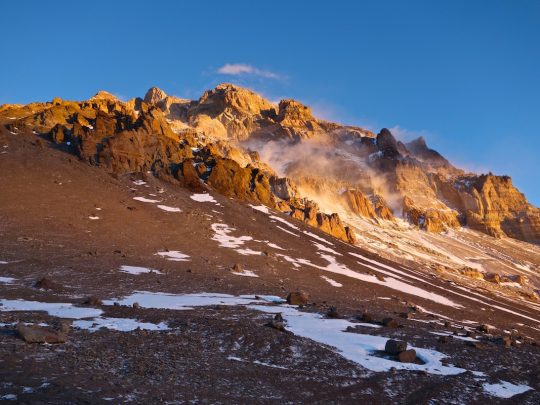
Aconcagua Climb — 17-Day Guided Expedition
- Height (m)
- 6962
- Duration
- 17 дней
- Difficulty
- Moderate
- Continent
- South America
- Children
- From 14 years old
- Accommodation
- There are tents
-
 1,100 $
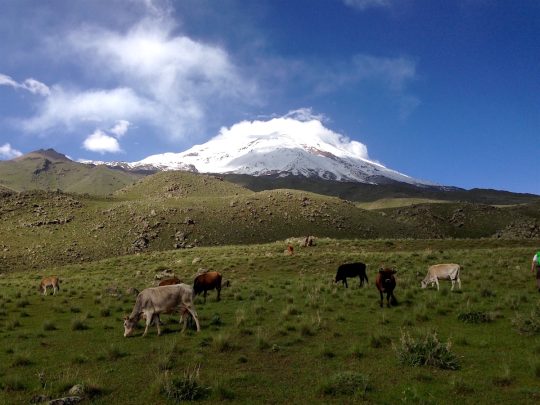
Climb Ararat, 5137 m — 7-Day Classic Climb
- Height (m)
- 5137
- Duration
- 7 дней
- Difficulty
- Low
- Continent
- Europe
- Children
- From 10 years old
- Accommodation
- There are tents
-
 1,500 $
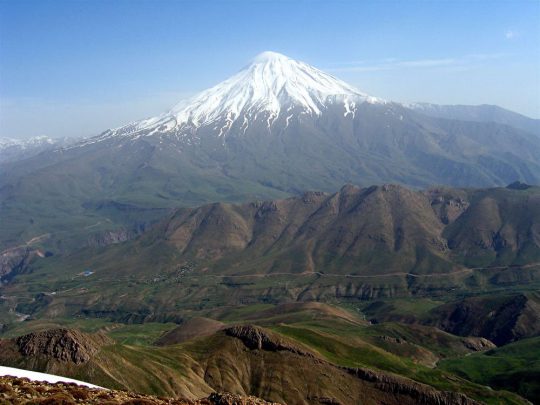
Climb Damavand, 5610 m — 7-Day Southern Route
- Height (m)
- 5610
- Duration
- 7 дней
- Difficulty
- Low
- Continent
- Asia
- Children
- From 12 years old
- Accommodation
- Without tents
-
 2,400 $
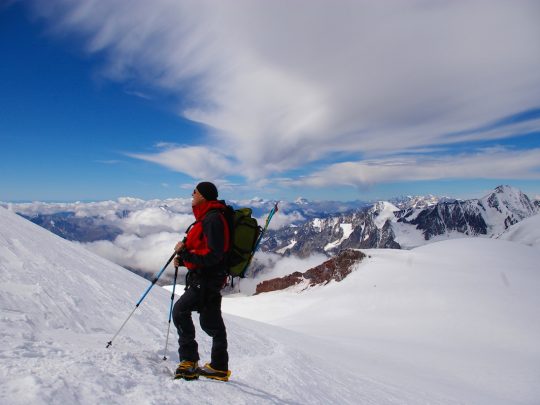
Climb Kazbek and Elbrus — 10-Day Two-Summit Expedition
- Height (m)
- 5642
- Duration
- 10 дней
- Difficulty
- Moderate
- Continent
- Europe
- Children
- From 14 years old
- Accommodation
- Without tents