- Guides
- B2B
-
#19607 (no title)
-
#15972 (no title)
- Climb Elbrus Individually
- Climb Elbrus from the South, 9 Days
- Climb Elbrus from the South, 7 Days
- Climb Elbrus from the South with Oxygen
- Climb Elbrus from the North, 10 Days
- Two Summits of Elbrus, 9 Days
- Elbrus Traverse from South to North, 9 Days
- Elbrus Traverse from North to South, 10 Days
- Cross of Elbrus, South to North, 9 Days
- Cross of Elbrus, North to South, 10 Days
- Climb Kazbek and Elbrus — 10-Day Two-Summit Programme
- Climb Elbrus from the West, 11 Days
- Elbrus by Private Helicopter, 3 Days
- Elbrus Region Holiday and Trekking, 9 Days
- Elbrus Region Holiday, 7 Days
- Tinder Tour: Climbing Mount Elbrus, 9 Days
- Climb Elbrus from the South, 9 Days with Sergey Baranov
-
#15539 (no title)
- Climb Carstensz Pyramid, 8 Days with Helicopter Access
- Climb Mont Blanc, 4810 m — 8-Day Guided Ascent
- Climb the Matterhorn, 4478 m — 8-Day Guided Ascent
- Climb Mount Vinson, 15-Day Antarctic Expedition
- Climb Kosciuszko and Travel in Australia, 7 Days
- Climb Fisht, 2868 m — 3-Day Ascent by the 1B Route
- Climb Mount Wilhelm, 6 Days
-
#15546 (no title)
- Climb Kilimanjaro: the Marangu Route
- Climb Kilimanjaro: the Lemosho Route
- Climb Ararat, 5137 m — 7-Day Classic Programme
- Climb Kazbek from the South, 5033 m — 8 Days in Georgia
- Climb Kazbek and Elbrus — 10-Day Two-Summit Programme
- Climb the Volcanoes of Mexico — Orizaba and Iztaccíhuatl, 9 Days
- Climbing Alpamayo — 16-Day Technical Expedition
- Climbing Margaret Peak (Stanley), 5,109 m
- Climbing Mount Kenya: Point Lenana, 4,985 m
- Climb Dykh-Tau by the North Ridge, 13 Days
-
#15554 (no title)
- Aconcagua Climb — 17-Day Guided Expedition
- Island Peak Climb — 18-Day Expedition
- Climb Mera Peak, 6476 m — 16-Day Hinku Valley Programme
- Climb Ama Dablam, 6812 m — 24-Day Expedition with Island Peak
- Climb Island Peak and Mera Peak — 24-Day Two-Summit Expedition
- Aconcagua and Ojos del Salado — 25-Day Combined Expedition
- Ojos del Salado Climb — 15-Day Expedition
- Climb Chimborazo and Cotopaxi — 14-Day Ecuador Programme
- Climb Huascarán — 8-Day Technical Ascent
- Climb Razdelnaya Peak, 6148 m — 15-Day Pamir Expedition
- Climb Denali by the West Buttress, 23 Days
- #15565 (no title)
- #15572 (no title)
-
#15972 (no title)
-
#19592 (no title)
-
See 8000m
- K2 Base Camp Trek via the Gondogoro La
- Everest Base Camp Trek — 14 Days
- Everest Base Camp via Gokyo Lakes — 15 Days
- Short Everest Base Camp Trek in 10 Days
- Annapurna Circuit and Tilicho Lake Trek
- Manaslu Circuit Trek
- Kanchenjunga Circuit Trek (XXL)
- Kanchenjunga North Base Camp Trek (Short)
- Kanchenjunga from India: the Goecha La Trek in Sikkim
- Makalu Base Camp Trek
- Annapurna Base Camp Trek
- South America
- Asia
- Africa
-
Russia
- Elbrus Region Holiday and Trekking, 9 Days
- Elbrus Region Holiday, 7 Days
- Oshten + Kardyvach — 9-Day Western Caucasus Trek
- Lake Kardyvach — 5-Day Base-Camp Trek
- Route 30: Through the Mountains to the Sea, with Oshten — 4 Days
- Trekking in Arkhyz — 7 Days over the Ayulyu Pass
- Gvandra Trek — 7 Days to the Ullu-Kyol Lakes
- Trekking in Dombai — 7 Days with the Murudzhu Lakes
- Europe
-
See 8000m
-
Adventures
-
Africa
- मोरक्को टूर: उत्तरी अफ्रीका का दिल
- चढ़ाई टूबकल और मोरक्को की संस्कृति
- Eritrea: the Dahlak Archipelago and the Rashaida Nomads
- Rwanda: Mountain Gorillas and the Bisoke Volcano
- Ethiopia: Otherworldly Landscapes and the Peoples of the Omo Valley
- युगांडा टूर: क्वीन्स पार्क और माउंटेन गोरिल्ला
- Tanzania Safari: Serengeti, Ngorongoro and Tarangire
- युगांडा टूर: सफेद गैंडे और पर्वत गोरिल्ला
- Zimbabwe and South Africa: Victoria Falls, Cape Town and the Cape of Good Hope
- Namibia: Etosha National Park and the Himba
- Kenya Safari: the African Big Five
- बोत्सवाना टूर: ओकावांगो डेल्टा और चोब पार्क
- South America
- Asia
-
Africa
- Ski-touring
- VIP
- #19722 (no title)
- About
Climb Carstensz Pyramid, 8 Days with Helicopter Access
- Height (m)
- 4884
- Duration
- 7 дней
- Difficulty
- Average
- Continent
- Australia
- Children
- From 14 years old
- Accommodation
- There are tents
19000 $
Почему такая цена?
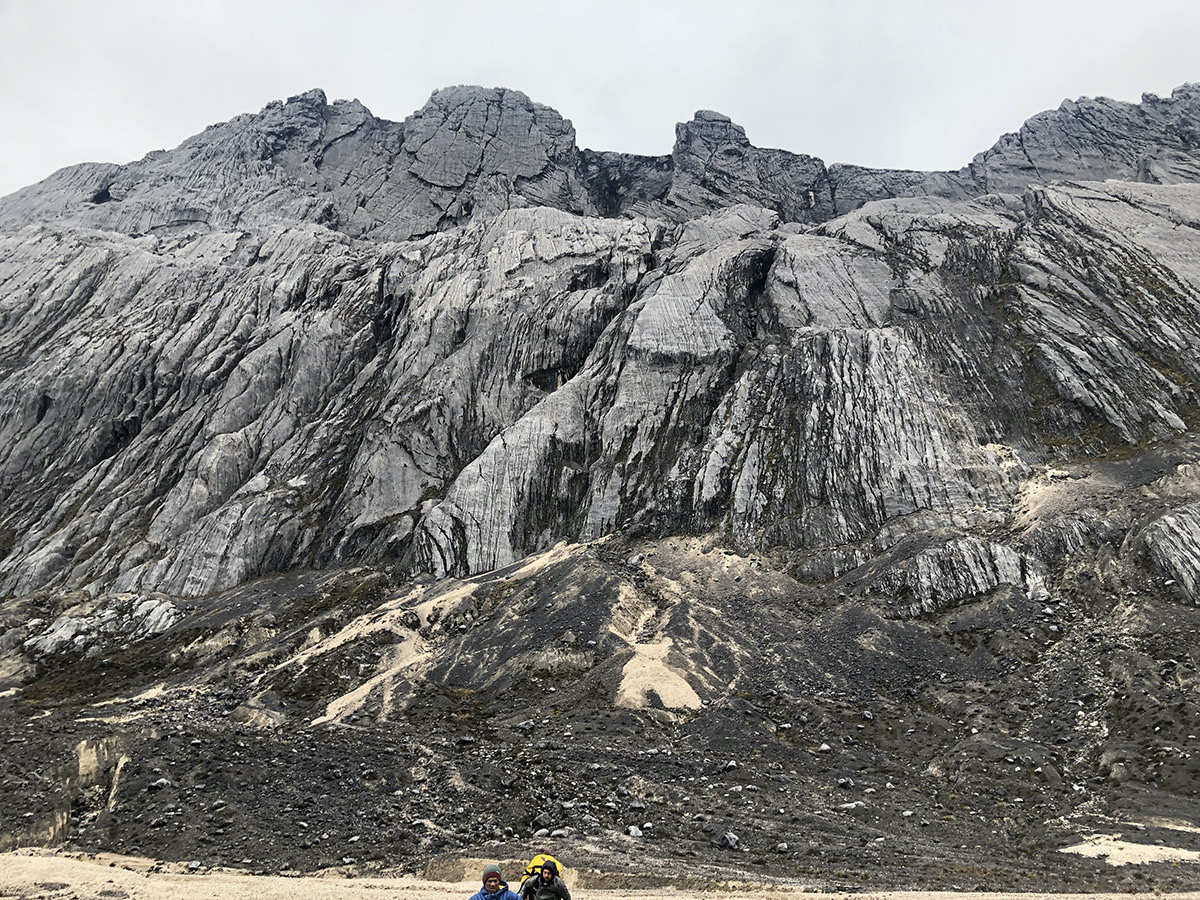
Carstensz Pyramid, 4884 m, is the highest summit in Oceania and one of the key mountains of the Seven Summits project. It is a rare technical climb in a remote part of Indonesia, where a demanding rock route is combined with difficult helicopter logistics, changeable weather and expedition living.
The main advantage of this trip is the helicopter flight from Timika directly to base camp at 4100 m and the return flight after the climb. That format removes the multi-day approach through the jungle and allows the expedition to be completed in a comparatively short time. It nonetheless remains a full mountaineering undertaking, with acclimatisation, technical sessions and reserve days.
Carstensz Pyramid is considered the most technically difficult of the Seven Summits. The trip is not suitable for beginners and requires rock-climbing experience and confident use of an ascender, a descender and self-belay lanyards. The summit day takes about 10 to 12 hours and involves sustained work on fixed ropes, exposed rock terrain and the descent back to base camp.
Its position on the equator does not make the mountain easy. Rain is frequent on the route, the rock becomes wet and slippery, and mist, wind and sub-zero temperatures are all possible. Two days before the climb are used to adapt to altitude, check equipment and practise technique. Two further days are held in reserve in case of unfavourable weather.
This trip is built for experienced climbers who want to reach one of the rarest summits in the world, continue or complete the Seven Summits project, and who value the standard of organisation, the privacy and the singularity of the route rather than the length of the trip.
About the Carstensz Pyramid climb
Carstensz Pyramid, 4884 m, is the highest summit in Oceania and one of the key mountains of the Seven Summits project. It is a rare technical climb in a remote part of Indonesia, where a demanding rock route is combined with difficult helicopter logistics, changeable weather and expedition living.
The main advantage of this trip is the helicopter flight from Timika directly to base camp at 4100 m and the return flight after the climb. That format removes the multi-day approach through the jungle and allows the expedition to be completed in a comparatively short time, while remaining a full mountaineering undertaking with acclimatisation, technical sessions and reserve days.
What the climb costs reflects not the number of days but the organisation of access to one of the hardest summits of the Seven Summits to reach. The trip covers the helicopter, the permits, the work of the local team, the setting up of base camp, meals, the fixing of ropes on the route, group rock equipment and the guides. Mountain Guide takes on the complex regional logistics so that participants can concentrate on their preparation and on the route itself.
The classic north route
Carstensz Pyramid, also known as Puncak Jaya, lies in the Indonesian part of the island of New Guinea. The summit belongs to the Sudirman Range and rises to 4884 m above sea level. In Reinhold Messner’s list it is this mountain, rather than the much lower and technically simpler Mount Kosciuszko, that represents Australia and Oceania in the Seven Summits.
Puncak Jaya differs from most of the other summits in the project. There is no sustained travel over snow or glaciers here, but there is genuine rock climbing on limestone, fixed ropes, an exposed ridge and sections where a mistake can have serious consequences. The mountain is lower than Elbrus, Kilimanjaro and Aconcagua, yet taken as a whole its technical difficulty exceeds their classic routes.
The classic line runs on the north side of the mountain and follows the route of the first ascent by Heinrich Harrer’s expedition in 1962. The northern face is built of more solid rock than the southern side. On dry sections the character of the climbing may remind experienced climbers of familiar rock routes, but high humidity, rain, altitude and the length of the climb make Carstensz a considerably more serious undertaking.
From base camp the group approaches the north face and starts up a system of rock gullies, slabs and ridges. The main sections are equipped with fixed ropes. Participants ascend them with an ascender, cross exposed traverses, change over at the anchor points and abseil. A Tyrolean traverse may be used at the gaps in the summit ridge. Confident command of all your personal technical equipment is therefore essential before the trip.
Acclimatisation, technique and safety
The particular feature of the helicopter trip is the abrupt move from Timika to base camp at 4100 m. After the flight the body needs time to adapt. On the first day in camp there is a gentle acclimatisation walk and the first check of technical skills. The following day is given over entirely to acclimatisation and equipment sessions.
The technical sessions at base camp exist to refresh and check skills that participants already have. It is not possible to learn mountaineering from scratch in two days. A participant must already be able to use a harness, an ascender, a descender and self-belay lanyards, and to work calmly on exposed terrain.
The climb begins early in the morning and takes about 10 to 12 hours including the descent. In that time you have to cover the rock section of the north face, reach the exposed summit ridge, gain the summit at 4884 m and return to base camp. Sustained work with the arms, wet ropes and rock, wind and fatigue all demand good physical condition and solid technical skills.
Safety rests on the equipment check beforehand, on acclimatisation, on the work of the Mountain Guide leader and the local guides, on the fixing of ropes, on the use of radios and on the reserve days. The decision to go for the summit and to continue the climb is taken with the weather, the condition of the route and the readiness of the participants in mind. Having reserve days does not guarantee the summit, but it does mean the team need not set out on a technical route in conditions that are clearly unfavourable.
Access, climate and preparation
The main logistical challenge on Carstensz is access to the mountain. Helicopter flights depend on the weather, and running the expedition requires permits and coordination with the local team. That is exactly why the trip includes reserve days, and why it is better to plan international return tickets with extra time in hand.
The western part of New Guinea has high humidity, a tropical climate at low altitude and high-mountain conditions around base camp. Before the trip it is worth reading up on malaria prevention and obtaining individual medical advice in advance.
Medical insurance must cover technical mountaineering, an altitude of 4884 m, search and rescue and possible evacuation.
Because of its complex logistics and high cost, Carstensz is often one of the last summits of the project. Mountain Guide also runs the other Seven Summits trips for climbers continuing or completing the list.
Guided Carstensz Pyramid climbing itinerary, 8 days with helicopter access
Day 1. Arrival in Timika and preparation for the climb. The guide meets participants at Timika airport, after which there is a transfer to the hotel and check-in. During the day the group gets to know the team, discusses the climbing trip and the particular features of the helicopter access. The guide checks personal and technical equipment, shares out the group kit and gives the safety briefing. The documents needed to obtain the permits are also checked. Night in a hotel.
Day 2. Helicopter flight to base camp, 4100 m. Early in the morning, if weather and flying conditions allow, the group flies by helicopter from Timika to the base camp of Carstensz Pyramid. After the rapid move from low ground to 4100 m, participants need time to rest and adapt. In the afternoon there is a gentle acclimatisation walk and a first check of how everyone works with their climbing equipment. Night in tents at base camp.
Day 3. Acclimatisation and technical preparation. The day is devoted to adapting to altitude and preparing for the classic route on the north side. Participants go over the technique of ascending fixed ropes with an ascender, descending, self-belay and changing over at anchor points. The guide checks how confidently each participant works with the equipment on rock terrain, after which the group prepares personal kit and clothing for the summit day. Night in tents at base camp.
Day 4. Ascent of Carstensz Pyramid, 4884 m. An early start from base camp. The group climbs the classic route on the north side, which takes in rock gullies, climbing sections, fixed ropes and an exposed summit ridge. Depending on the condition of the route, a Tyrolean traverse may be used at some of the gaps in the ridge. The ascent and descent take about 10 to 12 hours and call for good physical condition and confident use of an ascender and a descender. After reaching the summit of Puncak Jaya the group abseils and returns to base camp. Night in tents.
Day 5. First reserve day. This day is held in reserve in case of rain, strong wind, poor visibility or other conditions that prevented the climb from starting as planned. If the summit was reached the day before, participants can recover after the long technical route, dry equipment and prepare for the return helicopter flight. Night in tents at base camp.
Day 6. Second reserve day. The additional reserve keeps open the chance of using a suitable weather window for the climb. The decision to set out is taken by the guide, allowing for the condition of the route, the forecast and the readiness of the participants. If the ascent has already taken place, the group stays at base camp and prepares to return to Timika. Night in tents.
Day 7. Helicopter flight to Timika. If flying conditions allow, the helicopter collects the group from base camp and brings it to Timika. With the mountain part of the trip complete, participants check into the hotel and can rest. The remaining time can be used for recovery and preparation for the flight out. Night in a hotel.
Day 8. End of the trip and departure. After breakfast and checking out of the rooms there is a transfer to Timika airport. The Carstensz Pyramid climbing trip ends here and participants make their own way home.
What's included
- An experienced English-speaking Mountain Guide leader, for groups of two or more participants
- Local guides who know the classic route and the current condition of the fixed ropes
- Helicopter flight from Timika to base camp and the return flight
- All transfers set out in the itinerary
- Twin-share hotel accommodation in Timika
- Arranging the permits required for the climb
- The compulsory environmental protection fee
- Three meals a day during the mountain part of the trip and at base camp
- Fuel for cooking at base camp
- A dining shelter for shared meals
- Fixing ropes on the technical sections of the route
- Group rock-climbing equipment
- Radios for communication between the guides and the participants
- A group first-aid kit
- Equipment, wages and insurance for the support staff
What's not included
- International and domestic flights to Timika and back
- Indonesian visa
- Medical insurance for mountaineering covering an altitude of 4884 m, search and rescue and emergency evacuation
- Porter services
- Individual climbing and personal equipment
- Tips for the guides and the support staff
- Costs arising if the expedition is left early because of illness, a participant’s condition or other personal reasons
- Costs arising from the delay or cancellation of aircraft and helicopter flights
- Excess baggage charges above the set limit on the helicopter flight
- Hotel upgrades
- Single occupancy in hotels
- Additional costs connected with forced change to the itinerary
Private groups - a bespoke Carstensz Pyramid climb
The trip can be arranged for a closed private group of experienced climbers. The format suits Seven Summits climbers particularly well: they can climb as their own team, agree the group in advance and not depend on the preparation of whoever else happens to book. For groups of two or more, an experienced Russian-speaking Mountain Guide leader accompanies the trip. Local guides also work on the mountain, responsible for the current regional logistics, preparing the route and rigging the fixed ropes. Whether the expedition can run for a single participant, and what that would cost, are quoted separately. Your own dates depend on the permits being granted, on helicopter availability, on the local team’s schedule and on the confirmed expedition periods. A flight into base camp cannot be set for whatever date happens to suit, so a private trip needs planning well ahead. The classic route on the northern side, the acclimatisation days and the weather reserve are all kept for a private group too. We do not recommend shortening the trip at the expense of adapting to altitude or of the reserve days. The guide may change the order of individual elements within the trip if the weather, the state of the fixed ropes or the participants’ readiness calls for it. A family format is possible only where every participant has the mountaineering experience required and meets the demands of the route. There is no provision for children or unprepared companions on the mountain section. A corporate expedition can be arranged for a small team of staff with proven experience of rock climbing. Carstensz Pyramid is not the place for a first introduction to mountaineering or for an ordinary team-building trip. Single occupancy, an upgrade to a better hotel and extra nights in Timika can be requested in advance. Whether these can be provided is confirmed case by case, and the costs involved are not part of the basic price. The terms of a private expedition, the group composition and the dates available are agreed before the permits are arranged and before non-refundable air tickets are bought. The general terms are set out in the section “How to book and pay for a trip”.
Documents required for the Carstensz Pyramid climb
To take part you need to prepare in advance the documents for entering Indonesia, for the domestic flights and for the climbing permits. The manager will tell you exactly what details are needed and by when, once the expedition is confirmed.
- A passport meeting the current requirements for entering Indonesia
- An Indonesian visa, if one is required for your nationality
- Air tickets to Timika and back
- Medical insurance valid for technical mountaineering at 4884 m
- Insurance cover for search and rescue and emergency evacuation
- The copies and personal details needed to arrange the climbing permits
- Contact details for your insurer or assistance company
Arranging the necessary permits is included in the price, but you must supply correct passport details and the copies requested in good time. Pay particular attention to your insurance policy. An ordinary travel policy may not cover technical mountaineering, search and rescue or evacuation from a remote high-altitude area. Our advice is gathered in the section “Insurance for mountaineering and trekking”. Visa requirements and entry rules can change. Check them before buying air tickets. We recommend keeping digital copies of your documents on your phone and in cloud storage.
Weather and seasons for the Carstensz Pyramid climb
Carstensz Pyramid lies almost on the equator, but at 4884 m the conditions are genuinely those of high mountains. Timika is usually hot and humid, while base camp at 4100 m and the summit ridge can be cold, windy and wet. Rain is possible in the mountains of Western New Guinea at any time of year. On the route you can meet rain, mist, sleet and snowfall. At night the temperature at base camp can fall below 0 °C, so you need warm clothing, a full membrane set and a supply of dry gloves. The defining feature of the weather on this route is the humidity. Limestone gets wet quickly and turns slippery, and the fixed ropes take up water. Even where individual sections are only moderately technical, rain lengthens the climb considerably and calls for particular care with the equipment. The summit day begins early in the morning, when prolonged rain is usually less likely. A settled weather window, however, cannot be guaranteed in advance. The final decision to set out is the guide’s, after weighing the forecast, the visibility, the wind and the state of the route. The weather governs not only the climb but the helicopter flight in. Cloud, rain and wind can delay the flight from Timika or the return from base camp. The expedition dates are therefore chosen around what the local team can confirm, not merely around the season. Two reserve days are built into the trip. They allow the group to wait for acceptable conditions for the climb, but they guarantee neither the summit nor that the helicopter flights will run exactly to the original times. We recommend planning your international tickets with extra time in hand after the trip ends.
Accommodation and meals on the Carstensz Pyramid climb
In Timika participants stay in a hotel, two to a room. The hotel is used before the helicopter flight in and after the return from base camp. The particular property is confirmed separately for each expedition. A single room and an upgrade to a better hotel are not part of the basic price. Ask for these in advance, as availability depends on whether rooms are free on the dates of the trip. At base camp participants live two to an expedition tent. The classic route involves no separate high camps: the summit and the descent are done in a single day, returning to base camp. A separate shelter or mess tent is put up for meals together. It is a space out of the rain where the group has breakfast and dinner, discusses the state of the route and prepares to set out. Three meals a day are provided during the mountain section. The food, the cooking fuel and the support team’s work are included in the price. The menu is built around expedition conditions and what food can be obtained in a remote area. On summit day the usual meal pattern changes, because of the early start and the long day on the route. We recommend bringing your own energy bars, gels, nuts or other snacks that you know suit you under exertion. Food allergies, intolerances and any dietary restrictions you cannot compromise on must be passed on before the expedition begins. Whether a special menu is possible depends on what food is available and must be confirmed in advance.
Day-to-day conditions on the Carstensz Pyramid climb
After the hotel in Timika, participants move to full expedition conditions. Base camp sits at 4100 m, so the group spends most of its time in tents and the communal mess, sheltering from rain, wind and high humidity. Expedition tents are used for sleeping. All your kit is with you, so organise your baggage so that you can quickly find warm clothing, technical equipment and the essentials. The washing arrangements are those of a field camp. There is a separate washing area at camp, but no regular hot shower and no proper laundry. For personal hygiene you need a quick-drying towel, wet wipes and your own toiletries. A continuous power supply at base camp is not guaranteed. Bring a power bank, charging cables and spare batteries for your phone, watch, camera and head torch. Do not count on charging every device every day. Mobile signal and internet around base camp are unreliable or absent. The radios in the group equipment are there for the guides’ work, for coordinating the group and for emergencies, not as a substitute for a personal phone or internet. Because of the rain and condensation, clothing, sleeping bag, documents and electronics must be kept in dry bags or heavy-duty liners. For summit day it matters particularly to have a separate supply of dry gloves and a protected set of insulating clothing. Baggage is checked and weighed before the helicopter flight. The permitted dimensions and weight are given to you before the trip. Anything over the stated limit is charged for, so all your personal equipment should be packed compactly into a soft transport bag. Participants must observe the base camp rules, leave no rubbish on the route and follow the local team’s instructions on protecting the environment. The environmental fee is included in the price of the trip.
Страхование
НаверхEquipment and useful extras for the Carstensz Pyramid climb
Скачать PDFEquipment list for the Carstensz Pyramid climb. Participants bring all their own personal equipment. Before the trip you must agree with your guide the models of technical equipment, footwear and sleeping bag, and the weight and size limits for baggage on the helicopter.
Baggage and camp equipment
- A soft transport bag for your main baggage
- Summit pack of 30-40 litres
- Waterproof rucksack cover
- Dry bags, or strong liner bags, for clothing and electronics
- Sleeping bag with a comfort rating no higher than -5 °C
- Insulated sleeping mat with a repair kit
- Folding trekking poles
- Mug, spoon and bowl
- Water containers holding about 2 litres in total
Technical equipment
- Climbing harness
- Climbing helmet
- Ascender with a foot loop and an attachment sling
- A descender compatible with fixed ropes
- Cow’s-tail lanyards
- Karabiners – 5, at least 2 of them screwgate
- Sewn slings – 2 or 3
- Hard-wearing full-finger gloves for handling ropes
- Accessory cord for a prusik knot, as agreed with your guide
Clothing and footwear
- Waterproof trekking boots or light mountaineering boots with a dependable sole
- Light spare footwear for town and the hotel
- Base layer, top and bottoms
- Quick-drying trekking trousers
- Quick-drying T-shirts and a long-sleeved top
- Fleece jacket or fleece set
- A warm jacket with water-resistant insulation
- waterproof shell jacket with a hood
- waterproof shell trousers
- Thin gloves
- Warm waterproof gloves
- Spare dry gloves
- Warm hat
- Buff or bandana
- Sun cap or brimmed hat
- Synthetic or wool trekking socks
- A spare set of dry underwear and socks
- Gaiters
Useful extras
- LED head torch with at least 12 hours of battery life
- A spare set of batteries for your torch
- Sunglasses with UV protection
- Sun cream
- Lip balm with sun protection
- Power bank and the charging cables you need
- Quick-drying towel
- Wet wipes and hand sanitiser
- Insect repellent
- Personal first-aid kit
- Elastic bandage or a personal support brace
- Your own snacks for summit day
- Waterproof document wallet
Вам также будет интересно:
-
 18,690 $
Climb Denali by the West Buttress, 23 Days
- Height (m)
- 6193
- Duration
- 21 день
- Difficulty
- Average
- Continent
- North America
- Children
- No
- Accommodation
- There are tents
-
 62,000 $
Climb Mount Vinson, 15-Day Antarctic Expedition
- Height (m)
- 4892
- Duration
- 21 день
- Difficulty
- Moderate
- Continent
- Antarctica
- Children
- From 14 years old
- Accommodation
- There are tents
-
 5,238 $
Climb the Matterhorn, 4478 m — 8-Day Guided Ascent