- Guides
- B2B
-
#19607 (no title)
-
#15972 (no title)
- Climb Elbrus Individually
- Climb Elbrus from the South, 9 Days
- Climb Elbrus from the South, 7 Days
- Climb Elbrus from the South with Oxygen
- Climb Elbrus from the North, 10 Days
- Two Summits of Elbrus, 9 Days
- Elbrus Traverse from South to North, 9 Days
- Elbrus Traverse from North to South, 10 Days
- Cross of Elbrus, South to North, 9 Days
- Cross of Elbrus, North to South, 10 Days
- Climb Kazbek and Elbrus — 10-Day Two-Summit Programme
- Climb Elbrus from the West, 11 Days
- Elbrus by Private Helicopter, 3 Days
- Elbrus Region Holiday and Trekking, 9 Days
- Elbrus Region Holiday, 7 Days
- Tinder Tour: Climbing Mount Elbrus, 9 Days
- Climb Elbrus from the South, 9 Days with Sergey Baranov
-
#15539 (no title)
- Climb Carstensz Pyramid, 8 Days with Helicopter Access
- Climb Mont Blanc, 4810 m — 8-Day Guided Ascent
- Climb the Matterhorn, 4478 m — 8-Day Guided Ascent
- Climb Mount Vinson, 15-Day Antarctic Expedition
- Climb Kosciuszko and Travel in Australia, 7 Days
- Climb Fisht, 2868 m — 3-Day Ascent by the 1B Route
- Climb Mount Wilhelm, 6 Days
-
#15546 (no title)
- Climb Kilimanjaro: the Marangu Route
- Climb Kilimanjaro: the Lemosho Route
- Climb Ararat, 5137 m — 7-Day Classic Programme
- Climb Kazbek from the South, 5033 m — 8 Days in Georgia
- Climb Kazbek and Elbrus — 10-Day Two-Summit Programme
- Climb the Volcanoes of Mexico — Orizaba and Iztaccíhuatl, 9 Days
- Climbing Alpamayo — 16-Day Technical Expedition
- Climbing Margaret Peak (Stanley), 5,109 m
- Climbing Mount Kenya: Point Lenana, 4,985 m
- Climb Dykh-Tau by the North Ridge, 13 Days
-
#15554 (no title)
- Aconcagua Climb — 17-Day Guided Expedition
- Island Peak Climb — 18-Day Expedition
- Climb Mera Peak, 6476 m — 16-Day Hinku Valley Programme
- Climb Ama Dablam, 6812 m — 24-Day Expedition with Island Peak
- Climb Island Peak and Mera Peak — 24-Day Two-Summit Expedition
- Aconcagua and Ojos del Salado — 25-Day Combined Expedition
- Ojos del Salado Climb — 15-Day Expedition
- Climb Chimborazo and Cotopaxi — 14-Day Ecuador Programme
- Climb Huascarán — 8-Day Technical Ascent
- Climb Razdelnaya Peak, 6148 m — 15-Day Pamir Expedition
- Climb Denali by the West Buttress, 23 Days
- #15565 (no title)
- #15572 (no title)
-
#15972 (no title)
-
#19592 (no title)
-
See 8000m
- K2 Base Camp Trek via the Gondogoro La
- Everest Base Camp Trek — 14 Days
- Everest Base Camp via Gokyo Lakes — 15 Days
- Short Everest Base Camp Trek in 10 Days
- Annapurna Circuit and Tilicho Lake Trek
- Manaslu Circuit Trek
- Kanchenjunga Circuit Trek (XXL)
- Kanchenjunga North Base Camp Trek (Short)
- Kanchenjunga from India: the Goecha La Trek in Sikkim
- Makalu Base Camp Trek
- Annapurna Base Camp Trek
- South America
- Asia
- Africa
-
Russia
- Elbrus Region Holiday and Trekking, 9 Days
- Elbrus Region Holiday, 7 Days
- Oshten + Kardyvach — 9-Day Western Caucasus Trek
- Lake Kardyvach — 5-Day Base-Camp Trek
- Route 30: Through the Mountains to the Sea, with Oshten — 4 Days
- Trekking in Arkhyz — 7 Days over the Ayulyu Pass
- Gvandra Trek — 7 Days to the Ullu-Kyol Lakes
- Trekking in Dombai — 7 Days with the Murudzhu Lakes
- Europe
-
See 8000m
-
Adventures
-
Africa
- मोरक्को टूर: उत्तरी अफ्रीका का दिल
- चढ़ाई टूबकल और मोरक्को की संस्कृति
- Eritrea: the Dahlak Archipelago and the Rashaida Nomads
- Rwanda: Mountain Gorillas and the Bisoke Volcano
- Ethiopia: Otherworldly Landscapes and the Peoples of the Omo Valley
- युगांडा टूर: क्वीन्स पार्क और माउंटेन गोरिल्ला
- Tanzania Safari: Serengeti, Ngorongoro and Tarangire
- युगांडा टूर: सफेद गैंडे और पर्वत गोरिल्ला
- Zimbabwe and South Africa: Victoria Falls, Cape Town and the Cape of Good Hope
- Namibia: Etosha National Park and the Himba
- Kenya Safari: the African Big Five
- बोत्सवाना टूर: ओकावांगो डेल्टा और चोब पार्क
- South America
- Asia
-
Africa
- Ski-touring
- VIP
- #19722 (no title)
- About
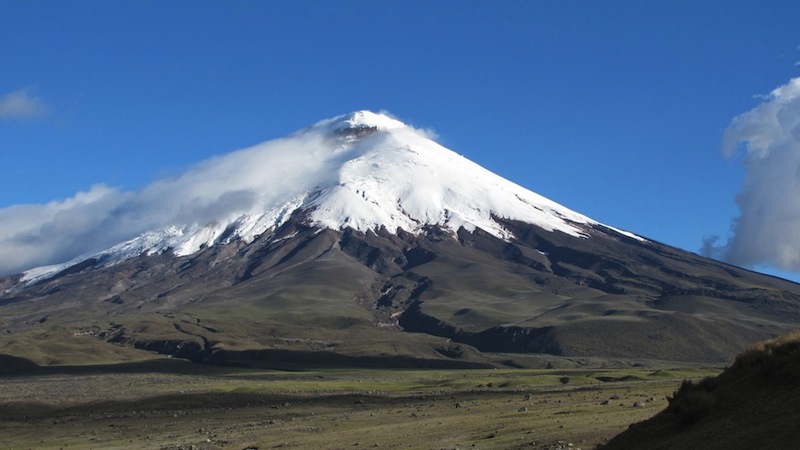
Climb Chimborazo and Cotopaxi — 14-Day Ecuador Expedition
- Height (m)
- 5897, 6384
- Duration
- 11 дней
- Difficulty
- Moderate
- Continent
- South America
- Children
- From 14 years old
- Accommodation
- Hotels only
3900 $
Почему такая цена?
Тур временно недоступен
This fourteen-day trip combines acclimatisation ascents of Pichincha and Rumiñahui, climbs of Cotopaxi and Chimborazo, and several days spent travelling in Ecuador. The high-altitude part runs on snow and glacier and requires good physical condition, confident movement in crampons and a readiness to work roped.
Access to the active volcanoes is regulated by the state agencies and depends on current volcanic conditions. The Cotopaxi ascent is run only when the route is open, the permits are valid and the local authorities have given clearance. The summit is not guaranteed.
The published base price includes an experienced trek leader for groups of four participants or more. The full set of local guides, transport, accommodation, meals, entrance tickets and permits is fixed in an custom quote before booking.
Important
- If Cotopaxi is officially closed, the published summit day does not take place; any replacement is agreed separately.
- The contents of the package are confirmed in writing before payment.
The trip suits participants who want to work through a sequential Ecuadorian altitude school, not only to attempt two summits. The first ascents show how you react to altitude and let you check your technique before the night glacier climbs. Cotopaxi and Chimborazo are treated separately: the closure of one mountain does not mean an automatic substitution without a new agreement on route, guides, permits and price.
Before payment you receive the written contents of the package. The published price should not be read as a promise of services that the confirmation does not explicitly list.
About climbing the volcanoes of Ecuador
The route uses a gradual gain in altitude: Pichincha and Rumiñahui serve as acclimatisation ascents before Cotopaxi, and after a rest the group moves to the higher objective, Chimborazo at 6263 m. Days 6 and 9 are held in reserve for the weather and the condition of the participants.
Cotopaxi and Chimborazo are glacier climbs. Participants need good physical condition, confident movement in crampons, self-belay skills and the ability to work on a rope. Without that experience, practical instruction is required before the ascent, and clearance for the summit remains the mountain guide’s decision.
Cotopaxi is an active volcano. Access can be suspended because of volcanic activity, weather or instructions from the authorities. Mountain Guide checks the access regime before the trip but cannot guarantee that the route will be open.
The logic of the high-altitude section
Pichincha and Rumiñahui are used as preparatory ascents. They allow the team to assess pace, the reaction to gaining altitude, how clothing performs and the ability to recover before the earlier and longer climbs. Cotopaxi and Chimborazo start at night and run on snow and glacier, so a participant needs not only endurance but also confident basic work in crampons and on the rope.
The reserve days 6 and 9 belong to specific mountain objectives, but their use depends on permitted access, the weather, the state of the route and the condition of the participants. They do not guarantee a second attempt. If the state agencies close an active volcano, the operator cannot overturn that decision or take the group onto the route against the access regime.
Why the cultural part is not a filler
After the mountain days the trip moves to Baños, Quito and Mindo. These days reduce the continuous load and give time to recover after two big mountains. They also make the itinerary a self-contained journey through Ecuador. Additional activities are carried out only in the stated format and must not interfere with recovery or change a package that has already been agreed.
What to check before booking
- which of the summits is open on your chosen dates and what restrictions apply;
- who the mountain guide is on Cotopaxi and Chimborazo;
- which transfers, nights, meals, tickets and permits are included;
- whether technical equipment has to be hired and where its compatibility is checked;
- how the reserve is used when the route is closed or the weather is poor.
Clearance for the glacier section is decided after a check of skills and equipment. If a participant cannot move safely in crampons, keep the correct spacing on the rope or follow the guide’s commands, the cultural part of the trip may continue without a summit attempt.
Cotopaxi and Chimborazo climbing itinerary, 14 days
Day 1. Arrival in Quito.
Accommodation in a hotel or guest house, introductions within the group, a briefing and an equipment check.
Day 2. Acclimatisation ascent of Pichincha.
The Teleférico cable car from 3117 m to 3945 m, then the ascent of Pichincha at 4700 m. Return to Quito. Night in a hotel or guest house.
Day 3. Transfer to Chilcabamba.
Drive to the Chilcabamba mountain lodge at 3700 m. Rest. The lodge has a shower and electricity.
Day 4. Ascent of Rumiñahui Central.
Acclimatisation ascent of the 4600 m volcano and return to the lodge.
Day 5. Summit attempt on Cotopaxi.
The early night start on Cotopaxi at 5897 m is made only when the route is open, the permits are valid and conditions are suitable. After the descent, transfer to Baños. Night in a hotel.
Day 6. Reserve day for Cotopaxi.
The day is used for a second attempt only when the route is open and the guides decide to go.
Day 7. Transfer to Chimborazo.
Arrival at the Carrel refuge at 4850 m. Acclimatisation walk up to the Whymper refuge at 5050 m, then rest.
Day 8. Summit attempt on Chimborazo.
Early night start for the 6263 m summit. After the descent, transfer to Quito. Night in a hotel.
Day 9. Rest day or reserve day for Chimborazo.
The guiding team decides how the day is used, taking account of the weather, the state of the route and the condition of the participants.
Day 10. The equator line and transfer to Mindo.
A visit to the Mitad del Mundo complex and onward travel to Mindo. Night in a lodge.
Day 11. The Mindo cloud forest.
A morning walk in the cloud forest with birdwatching. Rafting and an evening excursion are possible as additional activities.
Day 12. Activities in Mindo.
Ziplines across the gorges and a visit to a butterfly farm.
Day 13. Return to Quito.
Transfer to the capital and accommodation.
Day 14. End of the trip.
Flight home.
What's included
- An experienced trek leader with extensive climbing experience, for groups of 4 participants or more
What's not included
- International flights
- Medical insurance covering the stated type of activity and the maximum altitude of the trip
- Personal climbing equipment
- Single occupancy and additional nights
- Personal expenses and optional activities
- Accommodation, transport, meals, local guides, entrance tickets and permits where these are not listed in the written booking confirmation
Private groups
A private group can choose the dates, the pace, the number of mountain guides and the length of the acclimatisation. Every change is confirmed only after checking current access to Cotopaxi and Chimborazo. For companions who are not climbing, the cultural and wildlife parts of the route can be quoted separately. Participation by children in the high-altitude section is assessed case by case and is not promised automatically. Contact Mountain Guide to agree the services and the itinerary.
Documents you need
- A valid passport
- Medical insurance covering the stated activity and the maximum altitude of the trip
- The documents, registrations and permits required under the access rules in force for the volcanoes
- Depending on your nationality, a visa may be required
- We recommend keeping digital copies of your documents on your phone and in cloud storage
Entry requirements for Ecuador and for the route are checked before the trip, against your nationality and the rules in force.
Weather and seasons
Ecuador’s volcanoes sit close to the equator, so conditions are set above all by altitude, cloud, precipitation and wind. Weather on the glaciers can change quickly, whatever the conditions in the valleys. Days 6 and 9 are set aside as reserve. Volcanic activity and official restrictions take precedence over the schedule: a closed route is not used, however good the weather.
Accommodation and meals
The route combines hotels or guest houses in Quito, the Chilcabamba mountain lodge, a hotel in Baños, the Chimborazo mountain huts and a lodge in Mindo. The published itinerary involves no nights under canvas. The catering arrangements and the specific properties are not fixed in the current list of included services. They must be set out in a written quote before booking. Tell us about dietary restrictions and allergies at the quote stage.
Facilities on the route
The hotels, guest houses and lodge have the usual facilities. The Chilcabamba lodge has a shower and electricity according to the itinerary; the mountain huts on Chimborazo are more basic. Reliable internet, mobile coverage, hot water and charging are not guaranteed on the high-altitude section. Bring a power bank, spare batteries, a head torch and your own toiletries.
Страхование
НаверхEquipment and useful extras for Cotopaxi and Chimborazo
Скачать PDFDocuments
- Passport
- Medical insurance covering mountaineering and an altitude of 6263 m
- Digital copies of your documents on your phone and in cloud storage
Personal and technical equipment
- Day pack
- Mountaineering boots compatible with crampons
- Crampons
- Ice axe
- Helmet
- Climbing harness
- Cow’s-tail lanyards and screwgate karabiners
- Descender and ascender
- Trekking poles
- Head torch with spare batteries
Clothing and useful extras
- Base layers
- Insulating layer
- Down jacket
- waterproof shell jacket and trousers
- Warm mittens and working gloves
- Warm hat and buff
- Gaiters
- Category 4 sunglasses and ski goggles
- Vacuum flask
- Sun cream and lip balm
- A personal first-aid kit; we do not prescribe its contents
- Power bank
Any additional protective equipment required by the access rules in force for active volcanoes is agreed before departure.
Вам также будет интересно:
-
 6,650 $
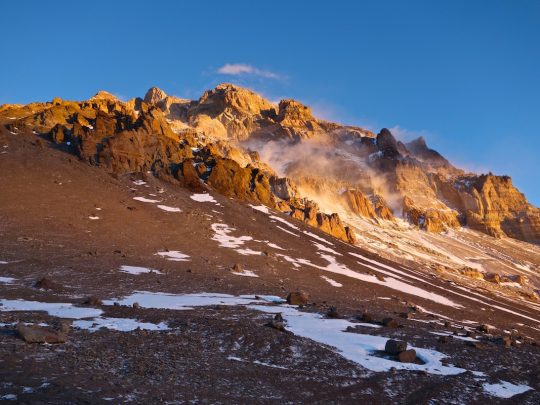
Aconcagua Climb — 17-Day Guided Expedition
- Height (m)
- 6962
- Duration
- 17 дней
- Difficulty
- Moderate
- Continent
- South America
- Children
- From 14 years old
- Accommodation
- There are tents
-
 1,500 $
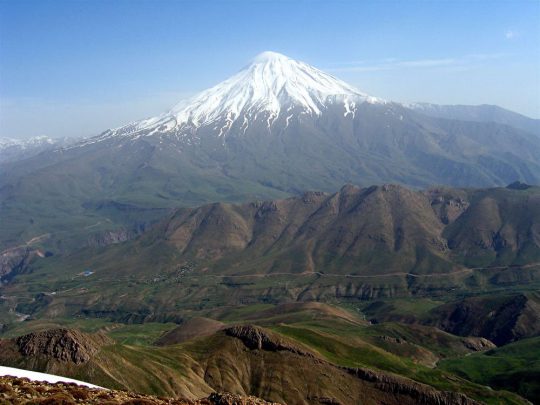
Climb Damavand, 5610 m — 7-Day Southern Route
- Height (m)
- 5610
- Duration
- 7 дней
- Difficulty
- Low
- Continent
- Asia
- Children
- From 12 years old
- Accommodation
- Without tents
-
 3,129 $
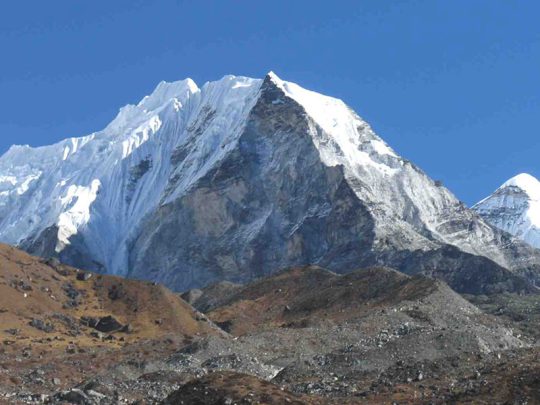
Island Peak Climb — 18-Day Expedition
-
 6,000 $
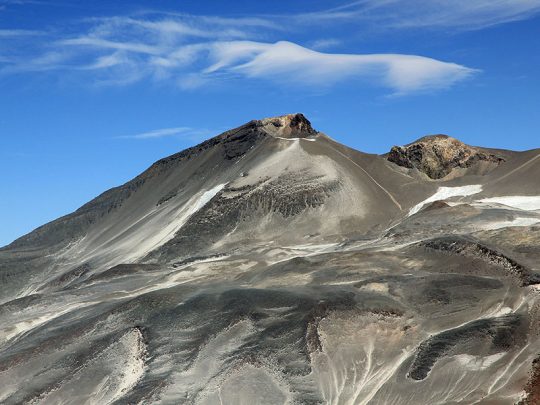
Ojos del Salado Climb — 15-Day Expedition
- Height (m)
- 6893
- Duration
- 15 дней
- Difficulty
- Moderate
- Continent
- South America
- Children
- From 14 years old
- Accommodation
- There are tents