- Guides
- B2B
-
#19607 (no title)
-
#15972 (no title)
- تسلق البروس بشكل فردي
- تسلق جبل البروس من الجنوب 9 أيام
- تسلق جبل البروس من الجنوب ، 7 أيام
- تسلق جبل البروس من الجنوب بالأكسجين
- تسلق جبل البروس من الشمال
- تسلق قمتي إلبروس
- تسلق جبل البروس ، اجتياز من الجنوب إلى الشمال
- تسلق جبل البروس ، اجتياز من الشمال إلى الجنوب
- تسلق جبل البروس وفقا لبرنامج “الصليب من الجنوب”
- تسلق جبل البروس وفقا لبرنامج “الصليب من الشمال”
- تسلق جبل كازبيك + إلبروس
- تسلق جبل البروس من الغرب
- إلبروس بطائرة هليكوبتر
- العطل في منطقة إلبروس ، 9 أيام
- عطلة في منطقة إلبروس ، 7 أيام
- البروس تسلق صوفان جولة
- إلبروس من الجنوب 9 أيام مع سيرجي بارانوف
- #15539 (no title)
- #15546 (no title)
- #15554 (no title)
- #15565 (no title)
- #15572 (no title)
-
#15972 (no title)
-
#19592 (no title)
-
See 8000m
- الرحلات إلى معسكر قاعدة كي 2
- ايفرست قاعدة مخيم الرحلات
- الرحلات إلى إيفرست عبر بحيرات جوكيو
- الرحلات إلى ايفرست في أسبوع
- أنابورنا حلقة الرحلات + بحيرة تيليشو
- رحلة ماناسلو الدائري
- كانغشينجونغا قاعدة مخيم الرحلات
- كانغشينجونغا قاعدة مخيم الرحلات (قصيرة)
- كانغشينجونغا معسكر قاعدة الرحلات (الهند)
- الرحلات إلى معسكر قاعدة ماكالو
- أنابورنا قاعدة مخيم الرحلات
- South America
- Asia
- Africa
- Russia
- Europe
-
See 8000m
-
Adventures
-
Africa
- جولة المغرب: قلب شمال أفريقيا
- تسلق توبقال وثقافة المغرب
- جولة إريتريا: أرخبيل دهلك ورشيدة البدو
- جولة رواندا: الغوريلا الجبلية وبركان بيسوك
- جولة إثيوبيا: المناظر الطبيعية الكونية وقبائل وادي أومو
- جولة أوغندا: كوينز بارك والغوريلا الجبلية
- جولة تنزانيا: رحلات السفاري سيرينجيتي ونجورونجورو وتارانجيري
- جولة أوغندا: وحيد القرن الأبيض والغوريلا الجبلية
- جولة زيمبابوي وجنوب إفريقيا: شلالات فيكتوريا وكيب تاون ورأس الرجاء الصالح
- جولة ناميبيا: حديقة إيتوشا وقبائل هيمبا
- جولة كينيا: الخمسة الكبار في أفريقيا
- جولة بوتسوانا: دلتا أوكافانغو وتشوبي بارك
- South America
- Asia
-
Africa
- Ski-touring
- VIP
- #19722 (no title)
- About
جولة باتاغونيا: على حافة الأرض
- Height (m)
- less than 2000
- Duration
- 15 дней
- Difficulty
- Low
- Continent
- South America
- Children
- From 6 years old
- Accomodation
- There are tents
3600 $
Почему такая цена?
Тур временно недоступен
- أشهر منتزه وطني في أمريكا اللاتينية: توريس ديل باينه
- مسار W — أشهر مسار للمشي في باتاغونيا وفي أمريكا الجنوبية بأكملها
- مسار O — مسار كامل في منطقة توريس ديل باينه في باتاغونيا، ولا يقدّم مسار O في روسيا أي طرف آخر غيرنا!
- رحلة بحرية وجولة في جزيرة مارتيو، حيث تعيش أكبر مستعمرات بطاريق ماجلان وبطاريق جنتو
- نهاية العالم الحقيقية — مدينة أوشوايا على إحدى جزر أرخبيل أرض النار
- نهر بيريتو مورينو الجليدي، حيث يتركّز ثالث أكبر احتياطي للمياه العذبة على كوكب الأرض
نلفت انتباهكم إلى أن شركتنا لا تعمل في مجال شراء أو بيع تذاكر الطيران أو إصدار التأشيرات، وبالتالي لا تتحمل المسؤولية عن حالات القوة القاهرة المرتبطة بالرحلات الجوية أو عبور الحدود. ويسعدنا مساعدتكم في اختيار تذاكر الطيران!
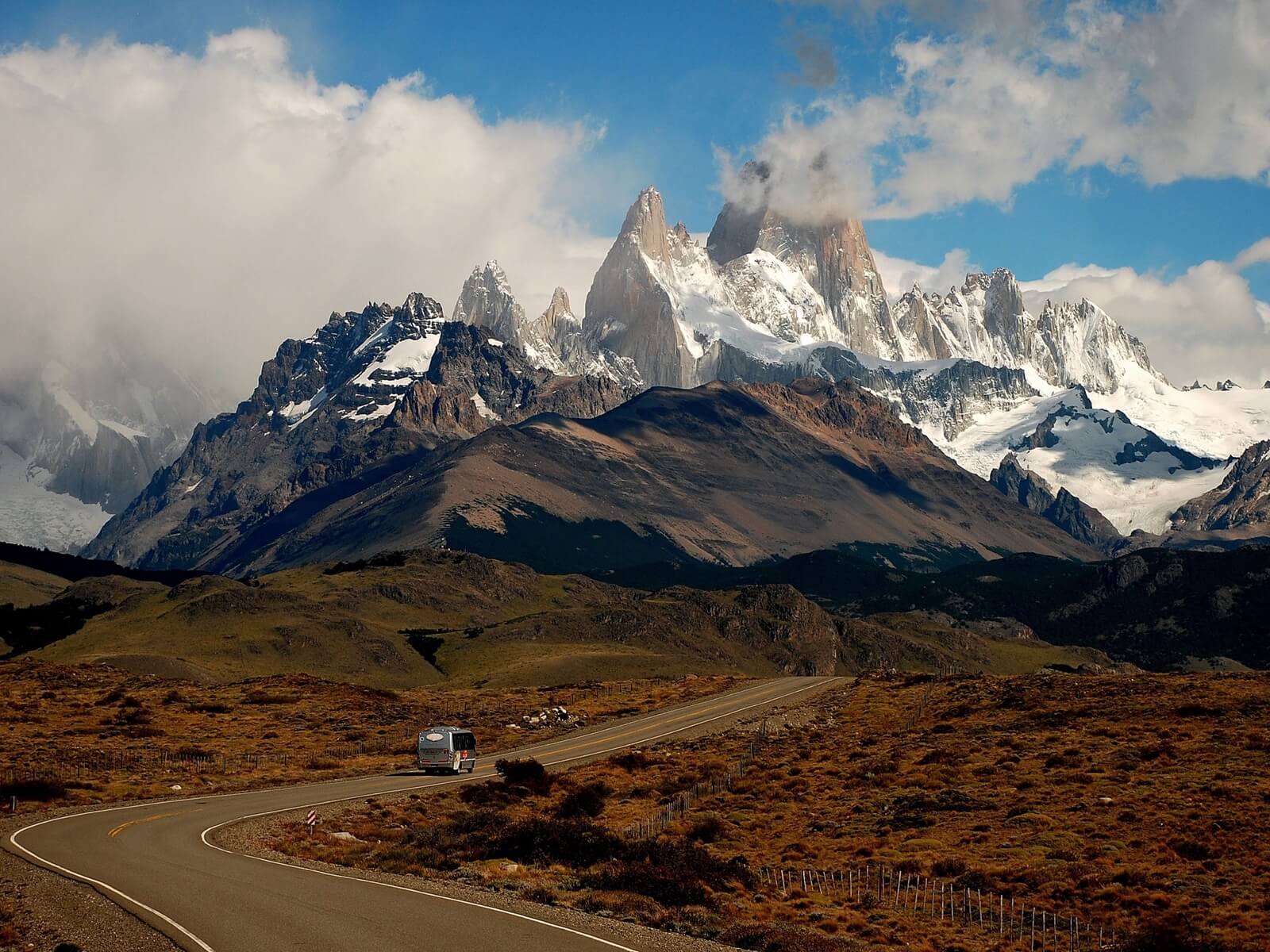
في هذه الرحلة ستتاح لكم الفرصة لاكتشاف بعضٍ من أروع معالم باتاغونيا المذهلة. سننطلق في رحلات مشي عبر أشهر المسارات في تشيلي والأرجنتين، وسنشاهد فيتز روي، وتوريس ديل بايني، وأوشوايا، ونهر بيريتو مورينو الجليدي — أهم وأجمل المواقع في أمريكا الجنوبية! وخلال الرحلة سنبيت في فنادق مريحة داخل المدن، وكذلك في مخيمات مجهزة ومريحة تحتوي على حمّامات ودُشّات.
يرجى الانتباه إلى أن مسار W يُعد جزءًا من مسار O، وسنزور جميع نقاط المشاهدة البانورامية دون استثناء، ونقطع كل كيلومتر في كلا المسارين الشهيرين، لنغلق حرفيًا جميع «الجِشطالتات» في باتاغونيا ونحصل على التجربة الكاملة بكل تفاصيلها.
اليوم 1. الوصول إلى بويرتو ناتاليس. تُعد هذه البلدة الواقعة في جنوب تشيلي نقطة انطلاق مثالية لرحلات المشي. فقد أنعمت عليها الجغرافيا بقربها من منتزه توريس ديل بايني الوطني الشهير، حيث يمكن مشاهدة مناظر جبلية نادرة الجمال، وشلالات، وبحيرات زرقاء، وحياة برية. عشاء وتعليمات عامة. المبيت في الفندق.
اليوم 2. بويرتو ناتاليس – منتزه توريس ديل بايني – مخيم سيرون. مسافة المشي 12 كم مع ارتفاع إجمالي 260 مترًا. في هذا اليوم سنزور أبراج لاس توريس. هذه الأبراج الشهيرة منحت المنتزه الوطني اسمه «توريس ديل بايني» (ويُترجم إلى «الأبراج الزرقاء») وتُعد منذ زمن طويل رمزه الأبرز. تتكوّن من ثلاث قمم جرانيتية حادة بارتفاع يتراوح بين 2600 و2850 مترًا، وتقع في الجهة الشمالية-الشرقية من كتلة بايني الجبلية، ويؤدي إليها مسار مخصص للمشي. في هذا الجزء سنحتاج إلى عصيّ المشي، إذ يتعيّن للوصول إلى منصة المشاهدة تجاوز مقطع عبارة عن ركام من الصخور الكبيرة. المبيت في الخيام.
اليوم 3. مخيم سيرون – مخيم ديكسون. مسافة المشي 16 كم مع ارتفاع إجمالي 180 مترًا. يبدأ الصباح بالالتفاف حول منحدرات سيرو بايني، وهي مهمة غير سهلة بسبب الرياح القوية الدائمة وتتابع الصعود والهبوط على المسار. بعد ذلك نصل إلى بحيرة بايني حيث يمكننا الاستراحة قليلًا والاستمتاع بالمناظر الطبيعية. المبيت في الخيام أو في أكواخ مخيم ديكسون، الذي يفتح على واحد من أجمل مشاهد باتاغونيا.
اليوم 4. مخيم ديكسون – مخيم بيروس. مسافة المشي 12 كم مع ارتفاع إجمالي 380 مترًا. انتقال إلى أبعد جزء من المنتزه الوطني: أولًا بمحاذاة بحيرة ديكسون، حيث يمكن مشاهدة كتل الجليد وهي تنفصل عن النهر الجليدي وتسقط في البحيرة، ثم عبر غابة لينغا العتيقة، موطن نقّار الخشب الماغلاني. المبيت في الخيام في مخيم بيروس.
اليوم 5. مخيم بيروس – ممر غاردنر – مخيم غراي. مسافة المشي 20 كم مع ارتفاع إجمالي 1200 متر. اليوم هو الأكثر نشاطًا في الرحلة، وسنكافأ خلاله بإطلالات مذهلة من ممر غاردنر. بعد الممر يبدأ نزول طويل عبر مقاطع صخرية باتجاه منطقة إل باسّو. وفي الجزء الأخير سنتجاوز جسرين معلّقين، ثم نتناول العشاء ونستريح في مخيم غراي. المبيت في الخيام أو الأكواخ.
اليوم 6. مخيم غراي – مخيم بايني غراندي. مسافة المشي 11 كم مع ارتفاع إجمالي 800 متر. مسير هادئ وممتع بمحاذاة بحيرة غراي وكتلة بايني غراندي الجبلية. وإذا كان الطقس مناسبًا يمكننا ركوب قوارب الكاياك على البحيرة بمحاذاة النهر الجليدي. ثم نتابع إلى بحيرة بيهوئي. المبيت في الخيام أو الأكواخ.
اليوم 7. مخيم بايني غراندي – مخيم فرانسيس. صباحًا نقطع حوالي 9 كم إلى المخيم الإيطالي دون زيادة في الارتفاع، حيث نترك حقائبنا ونواصل سيرًا خفيفًا لمسافة نحو 7 كم إلى منصتي مشاهدة تطلان على مناظر أيقونية لقمم صخرية مثل سيرو آيتا دي تيبورون (التي تشبه زعنفة سمكة القرش)، و«العرش الأبيض» وغيرها. بعد ذلك نعود لاستلام أمتعتنا ونكمل الكيلومترين المتبقيين إلى مخيم فرانسيس. المبيت في الخيام أو الأكواخ.
اليوم 8. صباحًا ننطلق في مسير يبلغ حوالي 16 كم إلى مخيم تشيلينو لتقليل صعود الصباح التالي. يمر الطريق بمحاذاة بحيرات خلابة، لكن لا ينبغي إضاعة الوقت، إذ يجب الوصول مبكرًا لأننا سنصعد إلى أبراج توريس ديل بايني قبل الفجر في اليوم التالي. المبيت في الخيام.
اليوم 9. مسير إلى منصة مشاهدة توريس ديل بايني واستقبال شروق الشمس. مسير قصير (حوالي 1–1.5 ساعة) إلى الأبراج، ونأمل أن يبتسم لنا الطقس. يجب الاستعداد للبقاء قرابة ساعة بانتظار ألوان الفجر، لذا احرصوا على ارتداء ملابس دافئة. كما تهب هنا غالبًا أقوى الرياح التي قد تختبرونها في حياتكم، فكونوا حذرين للغاية. الخروج من المنتزه والانتقال إلى بويرتو ناتاليس. المبيت في الفندق.
اليوم 10. بويرتو ناتاليس – إل تشالتين. اليوم نعبر إلى الأرجنتين، إلى قرية إل تشالتين الجبلية الصغيرة داخل منتزه لوس غلاسياريس الوطني، بالقرب من أبراج سيرو تورّي وسيرو فيتز روي. تُعرف هذه القرية بأنها عاصمة المشي في الأرجنتين. المبيت في الفندق.
اليوم 11. إل تشالتين – لاجونا تورّي – إل تشالتين. مسافة المشي 18 كم مع ارتفاع إجمالي 800 متر. نتجه إلى أحد أجمل المواقع في الأرجنتين: بحيرة محاطة بالأنهار الجليدية تورّي، حيث تنفتح إطلالة على أبراج سيرو تورّي. مساءً نعود إلى الفندق في إل تشالتين. المبيت في الفندق.
اليوم 12. إل تشالتين – لاجونا دي لوس تريس – إل تشالتين. أحد أشهر مسارات المشي في الأرجنتين. يُترجم اسم البحيرة إلى «بحيرة الثلاثة»، نسبةً إلى القمم الثلاث التي ترتفع فوقها: أعلى جبل فيتز روي، وسيرو تورّي، وجبل بوانسينو. مساءً نعود إلى الفندق في إل تشالتين. المبيت في الفندق.
اليوم 13. إل تشالتين – إل كالافاتي – نهر بيريتو مورينو الجليدي – إل كالافاتي – أوشوايا. صباحًا ننتقل إلى إل كالافاتي، وهي بلدة منتجعية صغيرة في جنوب باتاغونيا. أبرز معالمها النهر الجليدي الضخم بيريتو مورينو، وهو الأكثر شهرة في المنطقة. يتوافد الزوار من أنحاء العالم لرؤية هذا العملاق الجليدي، الذي يضم ثالث أكبر احتياطي للمياه العذبة على كوكب الأرض. يبلغ عرض لسانه الجليدي 5 كم، ومساحته 250 كم²، ويصل ارتفاعه فوق سطح البحيرة إلى 60 مترًا. يتميز بيريتو مورينو أيضًا بألوانه الفريدة، حيث تتلألأ الجروف الجليدية بألوان زرقاء وفيروزية. بعد ذلك نطير إلى أوشوايا، أقصى مدينة جنوبية في العالم، الواقعة في جزيرة تييرا ديل فويغو. كانت هذه الأرض القاسية موطنًا لشعب اليامانا، وأبحر هنا تشارلز داروين وسجّل ملاحظاته، كما نُفي إليها أخطر المجرمين في تاريخ الأرجنتين. أما اليوم فيقصدها المسافرون لرؤية «نهاية العالم»، إذ لا يوجد بعدها سوى جليد أنتاركتيكا. حتى أن مكان الميلاد في وثائق السكان يُكتب «نهاية العالم». وهذا المكان حقًا يدهشنا بجمال طبيعته المذهلة، ومتاحفه الفريدة، ومطبخه المحلي الراقي، وشروق شمس لا يُقارن بأي مكان آخر. المبيت في الفندق.
اليوم 14. نبحر بقارب آلي عبر مضيق بيغل إلى جزيرة مارتيو، لنختبر فرحة طفولية حقيقية أثناء التجول بين طيور البطريق ومشاهدتها عن قرب. يمكن الاستمتاع بمشاهدة البطاريق بلا نهاية؛ فهي طيور لطيفة وفضولية ولا تخشى البشر إطلاقًا. في طريق العودة نزور المتحف البحري للتعرّف على تاريخ استكشاف هذه الأراضي. وفي المساء ينتظرنا عشاء احتفالي بمناسبة ختام هذه الرحلة العظيمة، نتذوق فيه مطبخ الغاوتشو المحلي — أسادو (اللحم المشوي على السيخ). المبيت في الفندق.
اليوم 15. الانتقال إلى مطار أوشوايا. العودة إلى الوطن.
- الرحلات الجوية الدولية
- التأمين الطبي
- التأشيرة (لا يحتاج المواطنون الروس إلى تأشيرة لدخول تشيلي والأرجنتين)
- استئجار الخيام في منتزه توريس ديل بايني الوطني (تكلفة الخيام طوال مدة المسار مع كيس النوم والفرشة 381 دولارًا أمريكيًا للشخص الواحد لكامل المسار. الخيام وأكياس النوم موجودة مسبقًا في المخيمات، ويكفي حمل بطانة صحية لكيس النوم بوزن 100 غرام)
- الإقامة في الأكواخ داخل منتزه توريس ديل بايني بدلًا من الخيام الخاصة (561 دولارًا أمريكيًا للشخص الواحد)
- الطعام في منتزه توريس ديل بايني. جميع المخيمات مجهزة بأماكن للطهي، ولكن يُنصح بإحضار موقد وغاز خاصين. باقة وجبات جاهزة ثلاث مرات يوميًا (فطور، وجبة غداء معبأة، عشاء) لجميع أيام المسار — 620 دولارًا أمريكيًا
- التجديف بالكاياك في بحيرة غراي (142 دولارًا أمريكيًا)
- وجبات الغداء والعشاء في المدن
- إقامة فردية
- المعدات الشخصية
- الإكراميات للفريق
- أي انحرافات عن البرنامج
Страхование
Наверх Скачать PDFالوثائق:
- جواز سفر ساري
- تذاكر الطيران
- تأمين طبي (لا توجد عمليات إخلاء بالمروحيات في باتاغونيا، لذلك لا داعي للقلق بشأن تأمين الإخلاء بالمروحية)
المعدات الشخصية:
- حقيبة ظهر بسعة 30–50 لترًا
- كيس نوم بدرجة حرارة راحة -10° مئوية، أو بطانة داخلية لكيس النوم في حال استخدام كيس نوم مستأجر
- حصيرة نوم
- عصيّ trekking إلزامية مع حلقات
- خيمة (في منتزه توريس ديل بايني يُمنع السكن لأكثر من شخصين في الخيمة الواحدة)
الملابس والأحذية:
أحذية trekking مُعالجة مسبقًا وبشكل جيد جدًا بمادة عازلة للماء
أحذية رياضية (للمدن)
طبقة عازلة مقاومة للماء – سترة + بنطال
بدلة فليس
ملابس داخلية حرارية (أعلى + أسفل)
سترة خفيفة جدًا من الريش مع غطاء رأس (في شهري نوفمبر ومارس يمكن الاكتفاء بسترة من فئة متوسطة)
قفازات سميكة
قفازات رفيعة
باندانا أو باف (بالإضافة إلى الحماية من الشمس في الوادي يمكن استخدامها لتدفئة الرقبة أو الوجه في البرد)
قبعة
جوارب trekking دافئة
أغراض متنوعة:
مصباح أمامي LED للرأس بمدة إضاءة لا تقل عن 12 ساعة
بطارية محمولة (Powerbank) — ليست ضرورية كثيرًا إذا تم حجز الإقامة في الأكواخ
نظارات شمسية
معطف مطر
غطاء واقٍ من المطر لحقيبة الظهر
قارورة ماء (مستحسن جدًا للماء الساخن) بسعة 1 لتر
واقيات الساقين (Gaiters)
كريم واقٍ من الشمس SPF 50
مرهم شفاه صحي SPF 10–15
حقيبة إسعافات أولية شخصية
رباط ضاغط مرن و/أو دعامة داعمة
معجون أسنان، فرشاة، صابون، شامبو، شبشب
منشفة
ورق تواليت