- Guides
- B2B
-
#19607 (no title)
-
#15972 (no title)
- تسلق البروس بشكل فردي
- تسلق جبل البروس من الجنوب 9 أيام
- تسلق جبل البروس من الجنوب ، 7 أيام
- تسلق جبل البروس من الجنوب بالأكسجين
- تسلق جبل البروس من الشمال
- تسلق قمتي إلبروس
- تسلق جبل البروس ، اجتياز من الجنوب إلى الشمال
- تسلق جبل البروس ، اجتياز من الشمال إلى الجنوب
- تسلق جبل البروس وفقا لبرنامج “الصليب من الجنوب”
- تسلق جبل البروس وفقا لبرنامج “الصليب من الشمال”
- تسلق جبل كازبيك + إلبروس
- تسلق جبل البروس من الغرب
- إلبروس بطائرة هليكوبتر
- العطل في منطقة إلبروس ، 9 أيام
- عطلة في منطقة إلبروس ، 7 أيام
- البروس تسلق صوفان جولة
- إلبروس من الجنوب 9 أيام مع سيرجي بارانوف
- #15539 (no title)
- #15546 (no title)
- #15554 (no title)
- #15565 (no title)
- #15572 (no title)
-
#15972 (no title)
-
#19592 (no title)
-
See 8000m
- الرحلات إلى معسكر قاعدة كي 2
- ايفرست قاعدة مخيم الرحلات
- الرحلات إلى إيفرست عبر بحيرات جوكيو
- الرحلات إلى ايفرست في أسبوع
- أنابورنا حلقة الرحلات + بحيرة تيليشو
- رحلة ماناسلو الدائري
- كانغشينجونغا قاعدة مخيم الرحلات
- كانغشينجونغا قاعدة مخيم الرحلات (قصيرة)
- كانغشينجونغا معسكر قاعدة الرحلات (الهند)
- الرحلات إلى معسكر قاعدة ماكالو
- أنابورنا قاعدة مخيم الرحلات
- South America
- Asia
- Africa
- Russia
- Europe
-
See 8000m
-
Adventures
-
Africa
- جولة المغرب: قلب شمال أفريقيا
- تسلق توبقال وثقافة المغرب
- جولة إريتريا: أرخبيل دهلك ورشيدة البدو
- جولة رواندا: الغوريلا الجبلية وبركان بيسوك
- جولة إثيوبيا: المناظر الطبيعية الكونية وقبائل وادي أومو
- جولة أوغندا: كوينز بارك والغوريلا الجبلية
- جولة تنزانيا: رحلات السفاري سيرينجيتي ونجورونجورو وتارانجيري
- جولة أوغندا: وحيد القرن الأبيض والغوريلا الجبلية
- جولة زيمبابوي وجنوب إفريقيا: شلالات فيكتوريا وكيب تاون ورأس الرجاء الصالح
- جولة ناميبيا: حديقة إيتوشا وقبائل هيمبا
- جولة كينيا: الخمسة الكبار في أفريقيا
- جولة بوتسوانا: دلتا أوكافانغو وتشوبي بارك
- South America
- Asia
-
Africa
- Ski-touring
- VIP
- #19722 (no title)
- About
كانغشينجونغا معسكر قاعدة الرحلات (الهند)
- Height (m)
- 4984
- Duration
- 14 дней
- Difficulty
- Moderate
- Continent
- Asia
- Children
- From 14 years old
- Accomodation
- There are tents
2880 $
Почему такая цена?
Тур временно недоступен
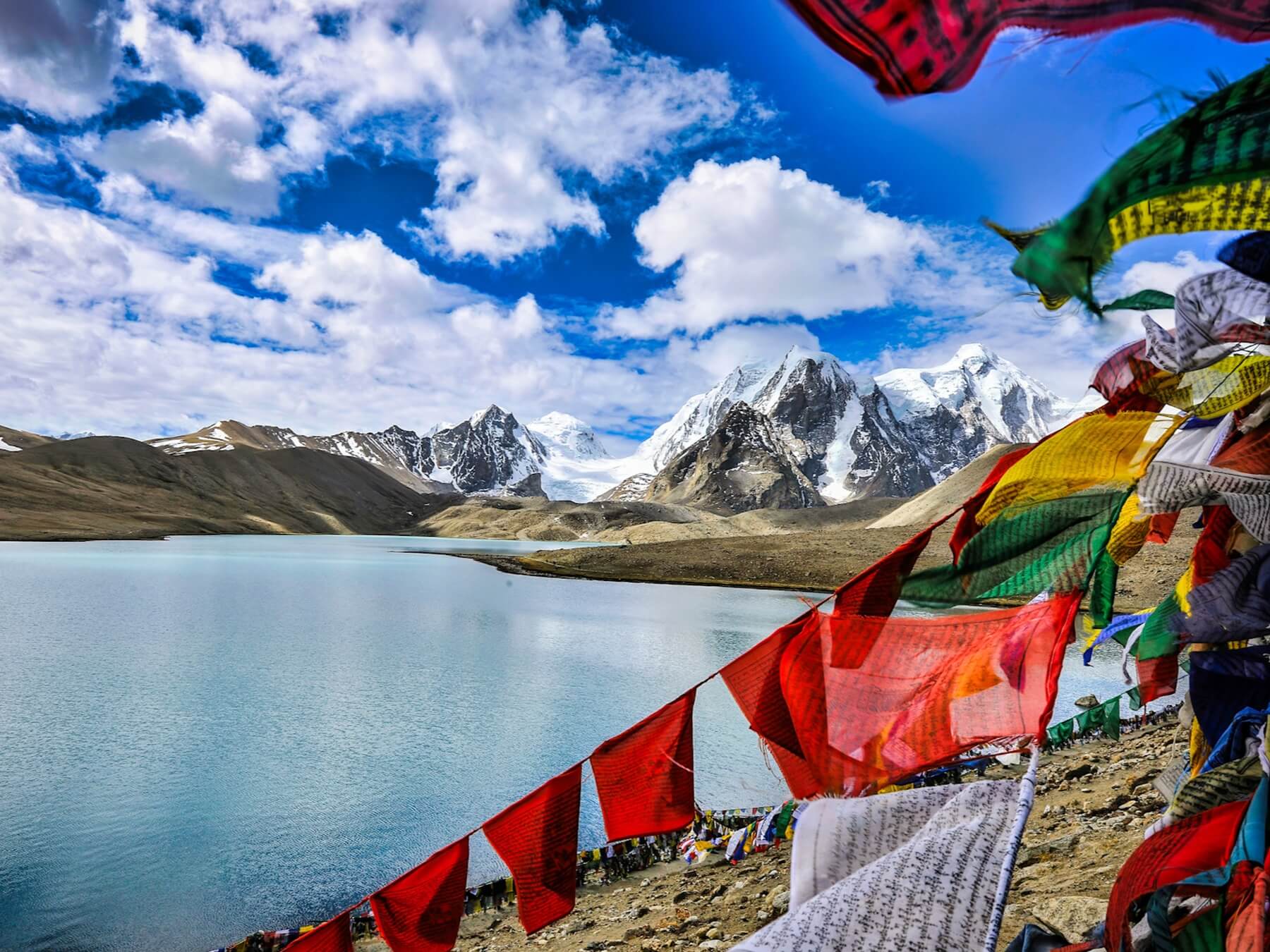
- مناظر خلابة لكانشينجونغا — ثالث أعلى قمة في العالم، محاطة بالأنهار الجليدية والقمم المغطاة بالثلوج
- طريق صوفي إلى عالم الخلود: مكان أسطوري تغنّت به الحكايات والتقاليد المحلية
- عزلة وبرّية المسار: مسارات سيكيم أقل ازدحامًا بكثير من مسارات نيبال الشهيرة، ما يخلق أجواء اندماج كامل مع الطبيعة
- التنوع الثقافي في سيكيم: التعرّف على تقاليد القبائل المحلية والأديرة الواقعة بين الجبال الخلابة
- تنوع المناظر الطبيعية: من الغابات شبه الاستوائية إلى المروج الألبية والأنهار الجليدية والقمم الجبلية القاسية
- أساطير وخرافات سيكيم: يمر المسار عبر أماكن مرتبطة بقصص صوفية ومعتقدات قديمة
*نلفت انتباهكم إلى أن شركتنا لا تعمل في مجال شراء أو بيع تذاكر الطيران أو استخراج التأشيرات، ولذلك لا تتحمّل المسؤولية عن حالات القوة القاهرة المرتبطة بالرحلات الجوية أو عبور الحدود.
معلومات مهمة:
- مواعيد تسجيل الدخول والخروج يحددها الفندق: تسجيل الدخول من الساعة 15:00، وتسجيل الخروج حتى الساعة 11:00–12:00. يمكن ترك الأمتعة في مكتب الاستقبال والتجول في المدينة، أو — في حال توفّر الإمكانية التقنية — دفع رسوم إضافية لتسجيل دخول مبكر أو خروج متأخر.
- في نيبال توجد صعوبات في صرف فئات الدولار الصغيرة أو المتضررة أو القديمة (الصادرة قبل عام 2009)، يُرجى أخذ ذلك بعين الاعتبار: في بعض الأماكن تُفرض عمولة إضافية، وفي أماكن أخرى قد يُرفض الصرف.
التريكينغ في سيكيم هو فرصة فريدة لملامسة عظمة كانشينجونغا، القمة التي يبلغ ارتفاعها 8586 مترًا، والتي تُعد ثالث أعلى جبل في العالم. يقدّم المسار المؤدي إلى المخيم الأساسي لكانشينجونغا تجربة استثنائية تختلف عن مسارات التريكينغ الأخرى، ليس فقط في الهند، بل وفي نيبال أيضًا. يمتد كتلة كانشينجونغا الجبلية على حدود ثلاث دول: نيبال، والتبت، والهند، ما يجعل هذا المكان ذا أهمية خاصة لعشّاق الجبال.
حتى عام 1849، وقبل اكتشاف إيفرست وK2، كانت كانشينجونغا تُعتبر أعلى جبل في العالم. أما اليوم، فيجذب التريكينغ في الهيمالايا الهندية، ولا سيما في منطقة سيكيم، المسافرين بطبيعته الفريدة. وبعد افتتاح مسارات التريكينغ عام 1988، اكتسب الإقليم شهرة واسعة بفضل كنوزه المخفية — من بحيرات جبلية، وقرى مرتفعة، وغابات غنية بتنوع مذهل من النباتات والحيوانات.
يبدأ المسار من قرية يوكسوم ويمر عبر باخيم، دزونغري، لاكشمي بوخاري، بيخباري، ونهر راتونغ الجليدي. وخلال 11 يومًا من التريكينغ في سيكيم، سيتمكن المشاركون من الاستمتاع بإطلالات رائعة على كانشينجونغا، إضافة إلى قمم أخرى مثل كوكتانغ (6148 م)، وبانديم (6691 م)، وغيرها الكثير.
القرى الجبلية العالية، والقمم المغطاة بالثلوج، وغابات الرودودندرون والماغنوليا الضبابية، والمناظر الطبيعية الدرامية تجعل هذا التريكينغ في الهيمالايا الهندية تجربة لا تُنسى. لا تفوّتوا فرصة الانطلاق في هذه المغامرة الاستثنائية! فالتريكينغ إلى المخيم الأساسي لكانشينجونغا هو، بلا شك، واحد من أكثر المغامرات إشراقًا في قلب الهيمالايا الهندية.
اليوم 1. الوصول إلى مطار باغدوغرا ثم التوجّه إلى عاصمة ولاية سيكيم — غانغتوك. تقع المدينة على ارتفاع 1650 مترًا وتتميّز بأجوائها الأصيلة التي تصنعها الأديرة الهادئة والمناظر الطبيعية الخلابة. في المطار سيكون في استقبالكم ممثلنا الذي سينقلكم إلى الفندق للاسترخاء بعد الرحلة. في المساء ستكون لديكم فرصة للتجوّل في المدينة والحصول على الانطباعات الأولى عن هذه الوجهة الجديدة. لاحقًا ينتظركم العشاء، حيث ستتعرّفون على باقي المشاركين في الرحلة وعلى الدليل الذي سيرافقكم طوال البرنامج. المبيت في الفندق.
اليوم 2. يوم راحة في غانغتوك مع زيارة المعالم السياحية، بما في ذلك نقطة المشاهدة تاشي، غانيش توك، هانومان توك ودير إنشي الشهير. بعد الإفطار زيارة معهد الدراسات التبتية، ومعهد الحرف الشعبية، وستوبا درو-درو، والتلفريك، ومعرض الزهور، وكذلك دير رومتيك المعروف عالميًا. العودة إلى الفندق. في المساء نزهة على الشارع الرئيسي أو تسوّق/استرخاء. المبيت في الفندق.
اليوم 3. الانتقال من غانغتوك إلى يوكسوم (1780 م). في المساء نزهة إلى موقع تتويج يوكسوم — مقعد حجري بسيط قام عنده ثلاثة رهبان بتنصيب أول ملك لسيكيم. زيارة دير آني غومبا القريب (دير بوذي نسائي). المبيت في كوخ.
اليوم 4. الانتقال من يوكسوم إلى ساشين على ارتفاع 2450 م، ويستغرق حوالي 6 ساعات. يبدأ التريكينغ بصعود خفيف حتى عبور ساشين والجسر الثالث. يمر الطريق عبر غابات كثيفة من الصنوبر والبلوط. بعد عبور نهر بريك-تشو يبدأ صعود حاد بزاوية 70 درجة، وهو أصعب مقطع في كامل المسار. تعتمد مدة هذا الجزء على اللياقة البدنية للمشاركين. في النهاية نصل إلى باخيم، وهو مجرد نقطة استراحة في اليوم الأول. يحتوي هذا المعسكر على كوخ واحد فقط تابع لدائرة الغابات وسط غابة كثيفة. المبيت في الخيام.
اليوم 5. الانتقال إلى قرية باخيم، حيث يمر المسار عبر غابات الماغنوليا والرودودندرون، ويستغرق حوالي 7 ساعات. قد يبدو الصعود في هذا اليوم متعبًا بشكل خاص. تشوكا قرية صغيرة على ارتفاع 3000 م، تضم حوالي اثني عشر منزلًا بأسقف من القش، وهي في الأساس مستوطنة تبتيّة. في حال كان الطقس صافيًا يمكن رؤية قمم بانديم، أرالونتشونغ، لاما-لاميني وبانديم. المبيت في الخيام.
اليوم 6. التريكينغ من تشوكا إلى دزونغري على ارتفاع 4020 م يستمر بصعود حاد ويستغرق حوالي 5 ساعات. يمر الطريق عبر غابات كثيفة من الرودودندرون حيث يمكن مشاهدة أكثر من 400 نوع من النباتات المزهرة. في موقع يُدعى ديورالي دارا تنفتح إطلالات رائعة على الجبال. بعد ذلك نصل إلى فيتانغ — مكان مريح للراحة وتناول وجبة خفيفة. بعد فيتانغ يستمر الصعود حتى الوصول إلى دزونغري. هنا تصبح النباتات قليلة وتقتصر على الشجيرات القصيرة والأعشاب. المبيت في كوخ.
اليوم 7. هذا اليوم مخصّص للراحة والتأقلم في دزونغري. يمكنكم الاستمتاع بمشاهدة القمم الجبلية من خلال الصعود إلى قمة دزونغري-توب. من هنا تفتح إطلالة بانورامية على كابرو 7353 م، راتونغ 6678 م، كانشينجونغا 8534 م، كوكتانغ 6147 م، بانديم 6691 م ونارشينغ 5825 م. إلى الغرب يظهر سلسلة سينغالِيلا التي تفصل سيكيم عن نيبال. المبيت في الخيام.
اليوم 8. الانتقال من دزونغري إلى تانشينغ على ارتفاع 3800 م، ويستغرق حوالي 5–6 ساعات. نصعد بهدوء على منحدر مفتوح نحو حافة منخفضة يمكن رؤيتها من المخيم على ارتفاع 4115 م. هنا تشكّل الشورتن وأعلام الصلاة منظرًا فريدًا يستحق التصوير. بعد ذلك يبدأ الهبوط إلى نهر بريك-تشو (3749 م) حيث نتناول الغداء. بعد عبور النهر يستمر الصعود عبر غابات الصنوبر حتى نصل إلى المخيم في مرج عند سفح قمة بانديم الجميلة. المبيت في الخيام.
اليوم 9. انتقال قصير إلى لامونيه على ارتفاع 4298 م، يستغرق حوالي 3 ساعات، ما يتيح لنا الراحة قبل يوم الغد الكبير. يسير المسار بمحاذاة نهر بريك-تشو. بحيرة ساميتي المقدّسة تقع على الجهة المقابلة، وتتألّق بلون زمردي محاطة بأعلام الصلاة. المبيت في الخيام.
اليوم 10. انطلاق مبكر نحو ممر غوتشا لا على ارتفاع 4984 م. الصعود الصباحي يقود إلى هضبة زيماتانغ تحت ظل بانديم. الممر مزيّن بأعلام الصلاة الزاهية، وإطلالات المنحدر الشرقي لكانشينجونغا مبهرة. العودة إلى مخيم تشوكشرونغ. المبيت في الخيام.
اليوم 11. الانتقال من تشوكشرونغ إلى تشوكا على ارتفاع 3800 م، ويستغرق حوالي 7–8 ساعات. يتيح المسار البديل تجنّب الصعود الطويل إلى هضبة دزونغري، لكنه يتطلّب هبوطًا طويلًا عبر الأدغال. المبيت في الخيام.
اليوم 12. في هذا اليوم نواصل الهبوط من تشوكا إلى يوكسوم، ويستغرق حوالي 5–6 ساعات. في المساء راحة كاملة وعشاء ساخن على مهل. المبيت في الفندق.
اليوم 13. في الصباح نزهة مدتها 35 دقيقة إلى دير دوبدي (بُني عام 1700) والعرش الحجري لتاشي نامغيال. ثم الانتقال إلى دارجيلينغ (95 كم، 5 ساعات) — مدينة ساحرة تشتهر بمزارع الشاي وتراثها البريطاني. في المساء وقت حر للتعرّف على الثقافة المحلية. المبيت في الفندق.
اليوم 14. نودّع الفريق ونتوجّه إلى مطار باغدوغرا (90 كم، 3 ساعات). العودة إلى الوطن. يُنصح باختيار الرحلات بعد الساعة 14:00.
- الرحلات الجوية الدولية
- التأشيرة (تُستخرج في المطار، التكلفة 50 دولارًا)
- التأمين الطبي والإخلاء الطارئ
- وجبات الغداء والعشاء أثناء الإقامة في الفندق
- حامل أمتعة شخصي (بورتر) — 25 دولارًا في اليوم مقابل 20 كغ (غالبًا يتم استئجار واحد لشخصين)، وتشمل التكلفة تأمين الحامل (نعم، نقوم بتأمين جميع أفراد الطاقم)
- الإكراميات
- الإقامة في غرفة فردية
- تسجيل الوصول المبكر / تسجيل المغادرة المتأخر قبل أو بعد البرنامج (نحاول دائمًا الاتفاق مع شركائنا على مزايا إضافية لضيوفنا، وغالبًا ما يُسمح بتسجيل الوصول المبكر أو المغادرة المتأخرة مجانًا)
- أي انحرافات عن البرنامج
- أي نفقات ناتجة عن تغييرات في البرنامج
- نفقات ناتجة عن ظروف غير متوقعة (الإلغاءات، الأحوال الجوية، تلف الممتلكات، الأمراض، إلخ).
Страхование
Наверх Скачать PDFالوثائق:
- جواز سفر ساري المفعول
- تذاكر الطيران
- تأمين طبي يغطي الإخلاء بواسطة المروحية
المعدات الشخصية:
- حقيبة ظهر بسعة 30–50 لتر
- حقيبة دَفَل للأغراض الشخصية (فريقنا يوفرها في الموقع)
- كيس نوم بدرجة حرارة راحة -5° م
- عصيّ trekking (ضروري وجود الحلقات)
الملابس والأحذية:
- أحذية تريكينغ مُعالجة مسبقًا وبشكل جيد جدًا بمادة مقاومة للماء
- أحذية رياضية (للمدينة)
- طبقة غشائية مقاومة للماء – سترة + بنطال
- بدلة فليس
- ملابس داخلية حرارية (علوي + سفلي)
- سترة داون بقبعة
- قفازات سميكة
- قفازات خفيفة
- باندانا أو باف (إضافة إلى الحماية من الشمس في الوادي يمكن استخدامها لتدفئة الرقبة أو الوجه في البرد)
- قبعة
- جوارب تريكينغ دافئة
أغراض إضافية:
- مصباح أمامي LED للرأس بمدة إضاءة لا تقل عن 12 ساعة
- بطارية محمولة
- نظارات شمسية
- معطف مطر
- غطاء واقٍ من المطر لحقيبة الظهر
- ترمس أو قارورة ماء – 1 لتر
- غِيتَرات (واقيات للساقين)
- كريم واقٍ من الشمس SPF 50
- مرهم شفاه واقٍ SPF 10–15
- حقيبة إسعافات أولية شخصية
- رباط ضاغط مرن و/أو دعامة داعمة
- معجون أسنان، فرشاة، صابون، شامبو، شباشب
- منشفة
- ورق تواليت (يمكن شراؤه في اللودجات على الطريق)