- Guides
- B2B
-
#19607 (no title)
-
#15972 (no title)
- تسلق البروس بشكل فردي
- تسلق جبل البروس من الجنوب 9 أيام
- تسلق جبل البروس من الجنوب ، 7 أيام
- تسلق جبل البروس من الجنوب بالأكسجين
- تسلق جبل البروس من الشمال
- تسلق قمتي إلبروس
- تسلق جبل البروس ، اجتياز من الجنوب إلى الشمال
- تسلق جبل البروس ، اجتياز من الشمال إلى الجنوب
- تسلق جبل البروس وفقا لبرنامج “الصليب من الجنوب”
- تسلق جبل البروس وفقا لبرنامج “الصليب من الشمال”
- تسلق جبل كازبيك + إلبروس
- تسلق جبل البروس من الغرب
- إلبروس بطائرة هليكوبتر
- العطل في منطقة إلبروس ، 9 أيام
- عطلة في منطقة إلبروس ، 7 أيام
- البروس تسلق صوفان جولة
- إلبروس من الجنوب 9 أيام مع سيرجي بارانوف
- #15539 (no title)
- #15546 (no title)
- #15554 (no title)
- #15565 (no title)
- #15572 (no title)
-
#15972 (no title)
-
#19592 (no title)
-
See 8000m
- الرحلات إلى معسكر قاعدة كي 2
- ايفرست قاعدة مخيم الرحلات
- الرحلات إلى إيفرست عبر بحيرات جوكيو
- الرحلات إلى ايفرست في أسبوع
- أنابورنا حلقة الرحلات + بحيرة تيليشو
- رحلة ماناسلو الدائري
- كانغشينجونغا قاعدة مخيم الرحلات
- كانغشينجونغا قاعدة مخيم الرحلات (قصيرة)
- كانغشينجونغا معسكر قاعدة الرحلات (الهند)
- الرحلات إلى معسكر قاعدة ماكالو
- أنابورنا قاعدة مخيم الرحلات
- South America
- Asia
- Africa
- Russia
- Europe
-
See 8000m
-
Adventures
-
Africa
- جولة المغرب: قلب شمال أفريقيا
- تسلق توبقال وثقافة المغرب
- جولة إريتريا: أرخبيل دهلك ورشيدة البدو
- جولة رواندا: الغوريلا الجبلية وبركان بيسوك
- جولة إثيوبيا: المناظر الطبيعية الكونية وقبائل وادي أومو
- جولة أوغندا: كوينز بارك والغوريلا الجبلية
- جولة تنزانيا: رحلات السفاري سيرينجيتي ونجورونجورو وتارانجيري
- جولة أوغندا: وحيد القرن الأبيض والغوريلا الجبلية
- جولة زيمبابوي وجنوب إفريقيا: شلالات فيكتوريا وكيب تاون ورأس الرجاء الصالح
- جولة ناميبيا: حديقة إيتوشا وقبائل هيمبا
- جولة كينيا: الخمسة الكبار في أفريقيا
- جولة بوتسوانا: دلتا أوكافانغو وتشوبي بارك
- South America
- Asia
-
Africa
- Ski-touring
- VIP
- #19722 (no title)
- About
أنابورنا قاعدة مخيم الرحلات
- Height (m)
- 4100
- Duration
- 12 дней
- Difficulty
- Low
- Continent
- Asia
- Children
- From 12 years old
- Accomodation
- Without tents
1400 $
Почему такая цена?
- نحن نوفّر رحلة طيران إلى بوخارا — دون أي رحلات حافلات مرهقة تستغرق 9 ساعات!
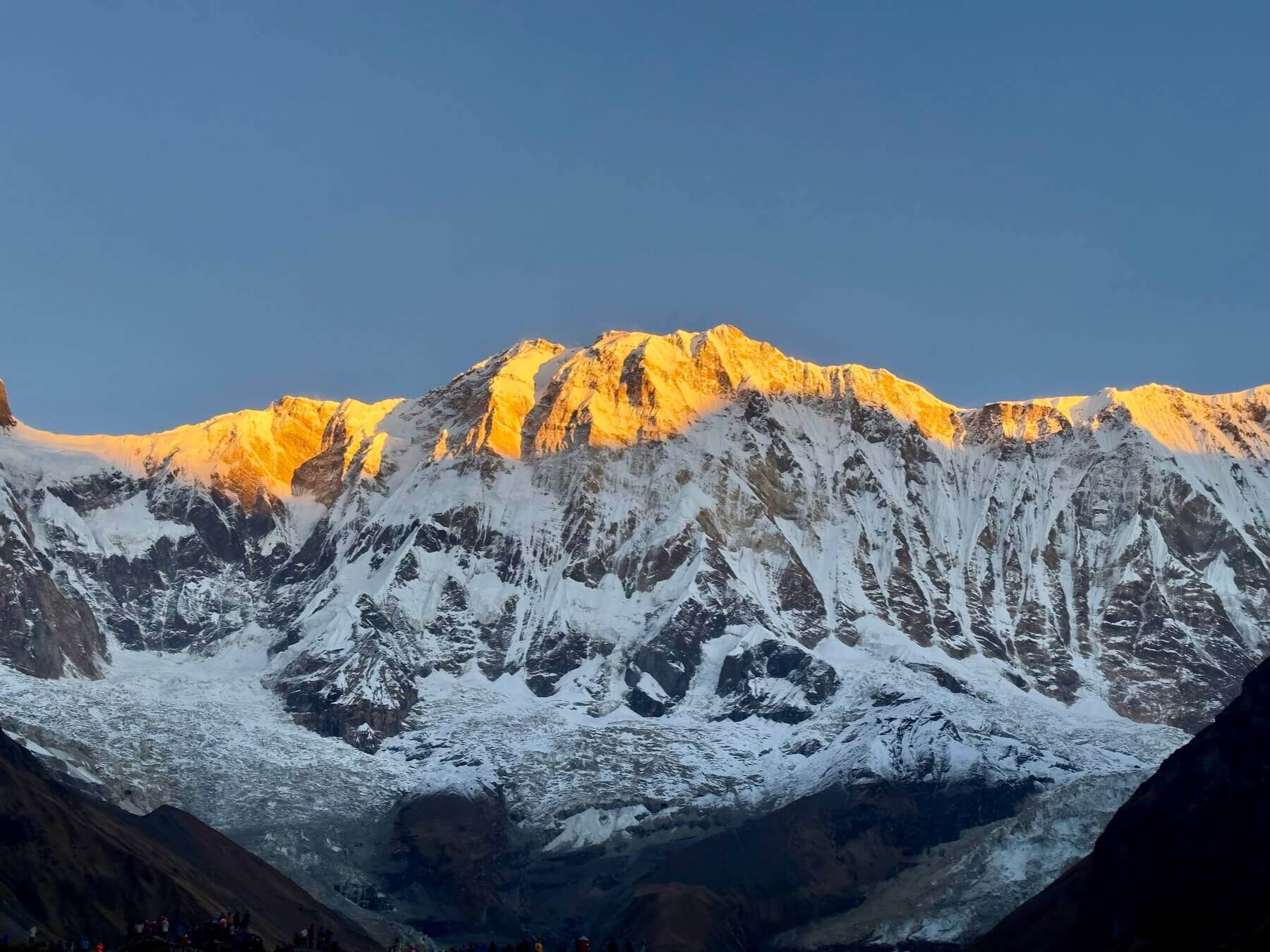
- سنشاهد أنابورنا I (8091 مترًا)، الجبل صاحب أعلى معدل وفيات في العالم
- سنتعرّف على ثقافة بيوت الشاي في نيبال
- سنتأمل جبل ماتشابوتشاري الشهير، المعروف بقمته التي تشبه ذيل السمكة
- سنستقبل شروق الشمس مع إطلالة على كامل كتلة أنابورنا من منصة المشاهدة بون هيل
- سنستمتع بالاستحمام في الينابيع الحارة في جينو
- سنشاهد كيف يقوم السكان المحليون بترويض النحل البري لجمع العسل المُهلوس
- سنقضي أمسية رومانسية لا تُنسى في بوخارا على بحيرة فيوا
**على عكس الشركات الأخرى، يشمل السعر الرحلة الجوية الداخلية
معلومات مهمة:
- مواعيد تسجيل الدخول والخروج تخضع لأنظمة الفندق: تسجيل الدخول من الساعة 15:00، وتسجيل الخروج حتى الساعة 11:00–12:00. يمكن ترك الأمتعة في مكتب الاستقبال والتجول في المدينة، أو عند توفر الإمكانية التقنية يمكن الدفع مقابل تسجيل دخول مبكر أو خروج متأخر.
- في نيبال توجد صعوبات في صرف فئات الدولار الصغيرة أو البالية أو القديمة (الصادرة قبل عام 2009)، يرجى أخذ ذلك بعين الاعتبار. في بعض الأماكن تُفرض عمولة إضافية، وفي أماكن أخرى قد يتم رفض الصرف.
نلفت انتباهكم إلى أن شركتنا لا تقدم خدمات شراء أو بيع تذاكر الطيران أو إصدار التأشيرات، وبالتالي لا تتحمل أي مسؤولية عن حالات القوة القاهرة المرتبطة بالرحلات الجوية أو عبور الحدود.
يُعدّ الترحيل (التريكّينغ) إلى معسكر قاعدة أنابورنا واحدًا من أكثر المسارات شهرة في العالم. وعلى الرغم من الارتفاعات غير الكبيرة نسبيًا، يتيح هذا المسار فرصة فريدة لرؤية قمة بارتفاع ثمانية آلاف متر، وهو أمر نادر الحدوث لمسار بهذه السهولة. يضمّ كتلة أنابورنا الجبلية القمة العاشرة ارتفاعًا على كوكب الأرض — أنابورنا I (8091 مترًا)، والتي تحمل سمعة مأساوية لامتلاكها أعلى معدل وفيات بين جميع القمم الثمانية آلافية. وعلى الرغم من هذه السمعة، يفتح هذا التريكّينغ أمام المسافرين عالمًا من المناظر الطبيعية الخلابة والآسرة.
يبدأ التريكّينغ إلى معسكر قاعدة أنابورنا عبر قرى نابضة بالحياة شديدة الجمال، حيث سيتمكن المشاركون من مشاهدة الحياة اليومية للسكان المحليين: زراعة الأرز على المدرّجات الضيقة الكثيرة، البيوت المتشبثة بحواف المنحدرات، النساء بملابسهن التقليدية الجميلة، وبالطبع الأنهار الجبلية والشلالات. أما أولئك المحظوظون الذين ينطلقون في هذا التريكّينغ خلال فصل الربيع، فسيستمتعون بمشاهدة غابات الرودودندرون المزهرة، التي يتميز عبيرها برائحة قوية تكاد تُسكر من شدتها إذا ما تعمّق المرء دون انتباه في تلك البساتين.
ونود أن نؤكد بشكل خاص أننا صممنا هذه الرحلة لتكون مريحة إلى أقصى حد ممكن. فنحن نوفر لعملائنا رحلة جوية من كاتماندو إلى بوخارا، مما يسمح بتجنب رحلة الحافلة المرهقة التي تستغرق حوالي 9 ساعات، وبدء التريكّينغ براحة وهدوء. كما أننا نختار للنزل (اللوجات) على طول المسار أعلى مستوى ممكن من الراحة، حيث يتوفر في العديد منها دش ساخن داخل الغرفة — وهي رفاهية حقيقية في المناطق الجبلية في نيبال.
اليوم 1. الوصول إلى كاتماندو
عند الوصول إلى كاتماندو سيستقبلكم ممثل شركتنا في المطار. انتقال إلى الفندق. في المساء عشاء ترحيبي، والتعارف مع بقية المشاركين والمرشد. إحاطة قصيرة حول البرنامج. المبيت في الفندق.
اليوم 2. كاتماندو – بوخارا – بيريتانتي – أوليري
في الصباح نغادر الفندق إلى المطار ونستقل رحلة جوية صباحية إلى بوخارا — إحدى أجمل مدن نيبال ونقطة الانطلاق الرئيسية لمسارات التريكّينغ في منطقة أنابورنا. في المطار ستكون بانتظارنا سيارات دفع رباعي قوية تنقلنا إلى بداية التريكّينغ في بيريتانتي.
بيريتانتي هي واحدة من آخر القرى في منطقة أنابورنا التي يمكن الوصول إليها سيرًا على الأقدام. هنا يتم فحص التصاريح (Permits) ونبدأ التريكّينغ المنتظر. سنشاهد منازل حجرية تقليدية قديمة مبنية على سفوح الجبال، ونتوقف لشرب الشاي في أحد بيوت الشاي العديدة، ثم نواصل السير بهدوء عبر جسر فوق جدول مائي باتجاه أوليري.
مدة التريكّينغ حوالي 5–6 ساعات. المبيت في نُزل (لودج).
اليوم 3. بيريتانتي – أوليري
في الصباح (الساعة 7:00) انتقال من بوخارا إلى بيريتانتي. بعد فحص التصاريح نبدأ التريكّينغ. نمر بالمنازل الحجرية التقليدية، ونتوقف لشرب الشاي، ثم نتابع الطريق عبر الجسر إلى أوليري.
مدة التريكّينغ حوالي 5–6 ساعات. المبيت في نُزل.
اليوم 4. أوليري – غورِيباني
اليوم من أصعب أيام التريكّينغ: صعود حاد عبر درج طويل، لكن الارتفاع يُكتسب بسرعة وبشكل جيد. بعد حوالي 4 ساعات نصل إلى قرية غورِيباني.
تقع غورِيباني على ارتفاع يقارب 2850 مترًا فوق مستوى البحر، وهي محطة شهيرة للمتجهين نحو أنابورنا. القرية كبيرة نسبيًا وتضم مقاهي ومحال تذكارات. نوصي بالنوم المبكر للاستيقاظ فجرًا لمشاهدة الشروق من منصة المشاهدة.
المبيت في نُزل.
اليوم 5. غورِيباني – بون هيل – تاداباني
نستيقظ باكرًا ونتجه في مسار قصير (حوالي 3 كم) إلى منصة المشاهدة بون هيل. يشتهر هذا المكان بإطلالاته الخلابة على قمم أنابورنا وماشابوتشاري، خاصة عند شروق الشمس حين تتلوّن القمم بالوردي والبرتقالي.
نعود إلى النُزل لتناول الإفطار، ثم نتابع التريكّينغ إلى قرية تاداباني.
مدة التريكّينغ حوالي 6–7 ساعات. المبيت في نُزل.
اليوم 6. تاداباني – سينوا
نغادر تاداباني صباحًا متجهين إلى قرية سينوا. يمر المسار عبر غابات جميلة مليئة بأشجار الرودودندرون والصنوبريات، مع صعود وهبوط متنوعين. سنمر بقرى صغيرة ونشاهد حياة السكان المحليين العاملين في الزراعة وتربية الماشية، مع العديد من بيوت الشاي المريحة على الطريق.
مدة التريكّينغ حوالي 6–7 ساعات. المبيت في نُزل.
اليوم 7. سينوا – ديورالي
بعد الإفطار ننطلق إلى قرية ديورالي، وهي مستوطنة صغيرة جميلة تقع على ارتفاع يقارب 2500 متر، محاطة بوديان خضراء زاهية ومدرجات زراعية. تشتهر ديورالي بإطلالاتها الرائعة على الجبال المحيطة، ومع قليل من الحظ سنشاهد غروب الشمس فوق أنابورنا وماشابوتشاري.
مدة التريكّينغ حوالي 6–7 ساعات. المبيت في نُزل.
اليوم 8. ديورالي – معسكر قاعدة أنابورنا
اليوم نصل إلى أعلى نقطة في المسار — معسكر قاعدة أنابورنا. خطوة بعد خطوة نقترب من القمم الثلجية، ونسير بمحاذاة نهر جبلي متدفق من الأنهار الجليدية.
نمر بمعسكر قاعدة ماشابوتشاري ونتوقف لتناول الشاي قبل الصعود الأخير. بعد الغداء نصل إلى معسكر قاعدة أنابورنا ونسكن في النُزل. في المساء نبحث عن اللوحة التذكارية للمتسلق السوفيتي العظيم أناتولي نيكولايفيتش بوكريف، الذي توفي على أنابورنا عام 1997.
مدة التريكّينغ حوالي 5–6 ساعات. المبيت في نُزل.
اليوم 9. معسكر قاعدة أنابورنا – بامبو
نستيقظ قبل شروق الشمس ونتوجه إلى منصة مشاهدة قريبة لمتابعة أولى أشعة الشمس وهي تلامس سفوح أنابورنا. بعد العودة وتناول الإفطار الساخن، نبدأ النزول السهل إلى قرية بامبو.
مدة التريكّينغ حوالي 4–5 ساعات. المبيت في نُزل.
اليوم 10. بامبو – سينوا – تشومرونغ – جينو
نواصل النزول عبر سينوا ثم تشومرونغ، حيث يمكننا شرب القهوة مع الكرواسون بإطلالة جميلة. بعدها نتابع النزول إلى جينو، حيث ينتظرنا فندق مريح وينابيع مياه حارة.
مدة التريكّينغ حوالي 6–7 ساعات. المبيت في الفندق.
اليوم 11. ينابيع جينو – بوخارا
في الصباح، وبعد ترك الأمتعة في الفندق، نذهب إلى ينابيع جينو الحارة القريبة. مياهها الساخنة الغنية بالمعادن تساعد على الاسترخاء واستعادة النشاط. بعد الاستحمام نعود للفندق، نتناول الإفطار، نجمع الأمتعة، ثم نعبر الجسر المعلّق ونتوجه بالسيارات إلى بوخارا.
في المساء نزهة حول بحيرة فيوا وعشاء على ضفافها.
اليوم 12. بوخارا – كاتماندو
صباحًا ننتقل إلى مطار بوخارا ونسافر إلى كاتماندو. في العاصمة نعود إلى الفندق، حيث تنتظرنا خدمات سبا متنوعة وعشاء احتفالي مع الفريق.
إذا كنتم تخططون للسفر في هذا اليوم، نوصي بحجز الرحلات بعد الساعة 10 مساءً بسبب التأخيرات المتكررة للرحلات الداخلية في نيبال.
اليوم 13. كاتماندو – المغادرة
انتقال إلى المطار. رحلة العودة إلى الوطن.
- وجبات الغداء والعشاء أثناء الإقامة في كاتماندو
- تأشيرة عند الوصول في المطار – 30 دولارًا (حتى 15 يومًا) أو 50 دولارًا (من 16 إلى 30 يومًا)
- الطعام أثناء التريكّينغ (يُطلب بشكل فردي من القائمة)
- حامل أمتعة شخصي (بورتر) – 25 دولارًا في اليوم حتى 20 كغ (غالبًا يُستخدم بورتر واحد لشخصين)، ويشمل تأمين البورتر (نعم، نقوم بتأمين جميع أفراد الطاقم)
- تنقلات البورتر (تذاكر الحافلة العامة) – 40 دولارًا
- الإكراميات للطاقم
- التأمين الطبي والإخلاء في حالات الطوارئ
- الإقامة في غرفة مفردة
- جولة بالقارب في بحيرة فيوا (اختياري)
- تسجيل دخول مبكر / تسجيل خروج متأخر من الفندق قبل أو بعد البرنامج (نحاول دائمًا الاتفاق مع شركائنا على مزايا إضافية لضيوفنا، وغالبًا ما يُسمح لنا بدخول مبكر أو خروج متأخر مجانًا)
- أي انحرافات عن البرنامج
- أي مصاريف مرتبطة بتغييرات البرنامج
Страхование
Наверх Скачать PDFالوثائق:
- جواز سفر دولي
- تذاكر الطيران
- تأمين طبي يشمل الإخلاء بالمروحية
المعدات الشخصية:
- حقيبة ظهر 30–50 لتر
- كيس نوم بدرجة حرارة راحة -5° م
- عصيّ تريكّينغ، إلزاميًا مع حلقات
الملابس والأحذية:
- أحذية تريكّينغ مُعالجة مسبقًا وبشكل جيد جدًا بمادة خاصة ضد الماء
- حذاء رياضي (للاستخدام في المدينة)
- طبقة عازلة مقاومة للماء (غشاء) – سترة + بنطال
- بدلة فليس
- ملابس داخلية حرارية (علوي + سفلي)
- سترة دافئة محشوة بالريش مع غطاء رأس
- قفازات سميكة
- قفازات خفيفة
- باندانا أو باف (إضافة إلى الحماية من الشمس في الوادي يمكن استخدامها لتدفئة الرقبة أو الوجه في البرد)
- قبعة
- جوارب تريكّينغ دافئة
متفرقات:
- مصباح أمامي LED للرأس مع مدة إضاءة لا تقل عن 12 ساعة
- بطارية متنقلة (Powerbank)
- نظارات شمسية
- معطف واقٍ من المطر
- غطاء واقٍ من المطر لحقيبة الظهر
- ترمس أو قارورة ماء – 1 لتر (اختياري)
- واقيات الساق (غيتـرز)
- كريم واقٍ من الشمس SPF 50
- مرطب شفاه صحي SPF 10–15
- حقيبة إسعافات أولية شخصية
- رباط ضاغط و/أو دعامة داعمة
- معجون أسنان، فرشاة أسنان، صابون، شامبو، شبشب
- منشفة
- ورق تواليت (يُباع في النُزُل على طول الطريق)