- Guides
- B2B
-
#19607 (no title)
-
#15972 (no title)
- تسلق البروس بشكل فردي
- تسلق جبل البروس من الجنوب 9 أيام
- تسلق جبل البروس من الجنوب ، 7 أيام
- تسلق جبل البروس من الجنوب بالأكسجين
- تسلق جبل البروس من الشمال
- تسلق قمتي إلبروس
- تسلق جبل البروس ، اجتياز من الجنوب إلى الشمال
- تسلق جبل البروس ، اجتياز من الشمال إلى الجنوب
- تسلق جبل البروس وفقا لبرنامج “الصليب من الجنوب”
- تسلق جبل البروس وفقا لبرنامج “الصليب من الشمال”
- تسلق جبل كازبيك + إلبروس
- تسلق جبل البروس من الغرب
- إلبروس بطائرة هليكوبتر
- العطل في منطقة إلبروس ، 9 أيام
- عطلة في منطقة إلبروس ، 7 أيام
- البروس تسلق صوفان جولة
- إلبروس من الجنوب 9 أيام مع سيرجي بارانوف
- #15539 (no title)
- #15546 (no title)
- #15554 (no title)
- #15565 (no title)
- #15572 (no title)
-
#15972 (no title)
-
#19592 (no title)
-
See 8000m
- الرحلات إلى معسكر قاعدة كي 2
- ايفرست قاعدة مخيم الرحلات
- الرحلات إلى إيفرست عبر بحيرات جوكيو
- الرحلات إلى ايفرست في أسبوع
- أنابورنا حلقة الرحلات + بحيرة تيليشو
- رحلة ماناسلو الدائري
- كانغشينجونغا قاعدة مخيم الرحلات
- كانغشينجونغا قاعدة مخيم الرحلات (قصيرة)
- كانغشينجونغا معسكر قاعدة الرحلات (الهند)
- الرحلات إلى معسكر قاعدة ماكالو
- أنابورنا قاعدة مخيم الرحلات
- South America
- Asia
- Africa
- Russia
- Europe
-
See 8000m
-
Adventures
-
Africa
- جولة المغرب: قلب شمال أفريقيا
- تسلق توبقال وثقافة المغرب
- جولة إريتريا: أرخبيل دهلك ورشيدة البدو
- جولة رواندا: الغوريلا الجبلية وبركان بيسوك
- جولة إثيوبيا: المناظر الطبيعية الكونية وقبائل وادي أومو
- جولة أوغندا: كوينز بارك والغوريلا الجبلية
- جولة تنزانيا: رحلات السفاري سيرينجيتي ونجورونجورو وتارانجيري
- جولة أوغندا: وحيد القرن الأبيض والغوريلا الجبلية
- جولة زيمبابوي وجنوب إفريقيا: شلالات فيكتوريا وكيب تاون ورأس الرجاء الصالح
- جولة ناميبيا: حديقة إيتوشا وقبائل هيمبا
- جولة كينيا: الخمسة الكبار في أفريقيا
- جولة بوتسوانا: دلتا أوكافانغو وتشوبي بارك
- South America
- Asia
-
Africa
- Ski-touring
- VIP
- #19722 (no title)
- About
تسلق أمادابلام
8500 $
Почему такая цена?
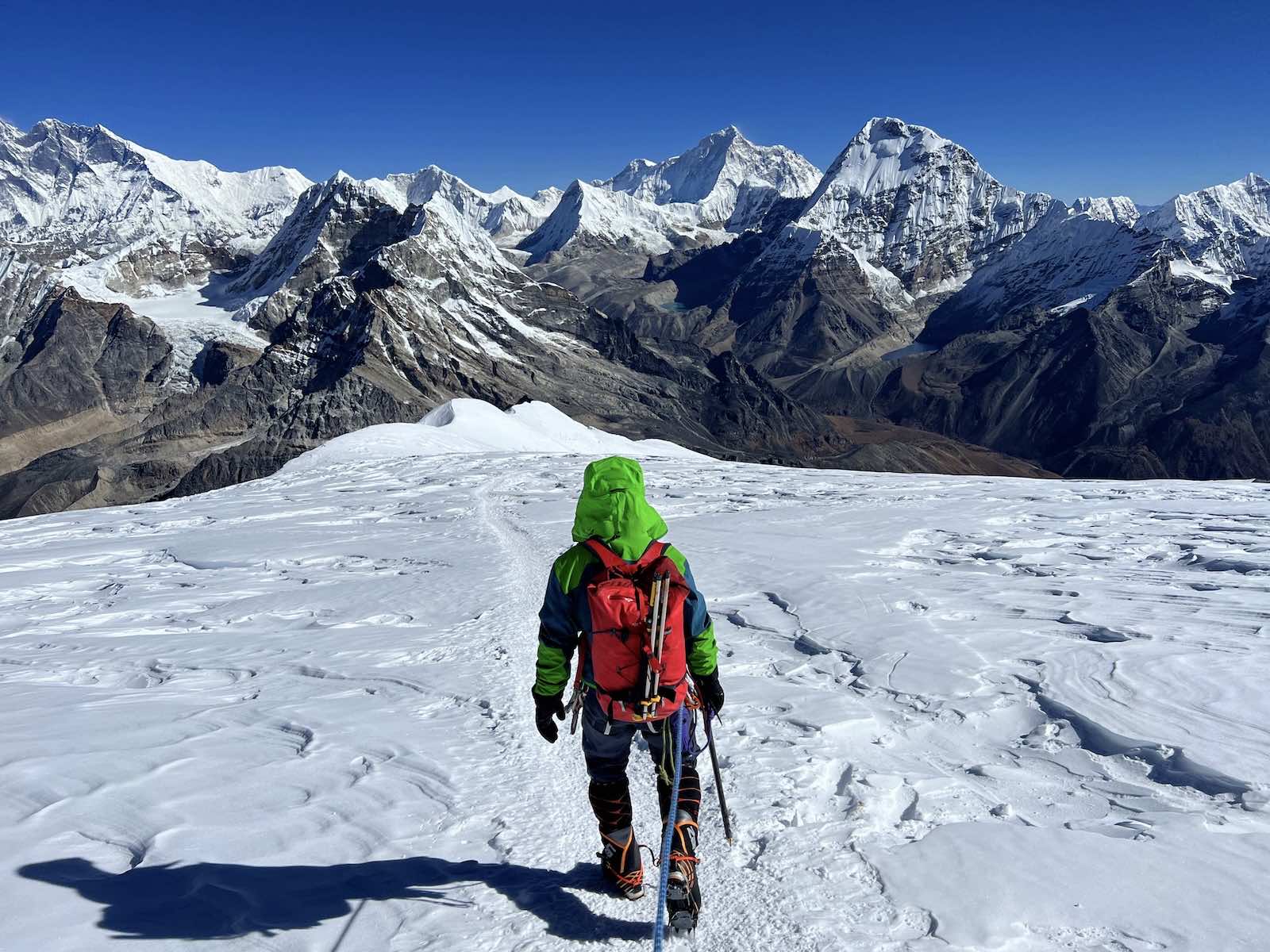
- قمتان شهيرتان بارتفاع ستة آلاف متر في رحلة واحدة — لا توجد برامج مماثلة في السوق بهذا المستوى من الخدمة
- تأقلم ممتاز في معسكر قاعدة إيفرست (5350 م) وعلى كالا باتار (5644 م)
- بعض ميزاتنا الحصرية تتيح الصعود إلى ارتفاع 6000 متر بنسبة نجاح شبه مضمونة
- نحن لا نوفر على حساب عملائنا: كما هو الحال دائمًا، أفضل النُزل على طول المسار وفندق ممتاز في كاتماندو
- إطلالات مذهلة على إيفرست، لوتسي، نوبتسي، ماكالو وتشوأويو
- فريق محلي موثوق من الحمالين والمرشدين، يجعل الصعود واجتياز ممر أمفو-لابتسي مريحًا وآمنًا
نلفت انتباهكم إلى أن شركتنا لا تعمل في مجال شراء أو بيع تذاكر الطيران أو إصدار التأشيرات، وبالتالي لا تتحمل مسؤولية حالات القوة القاهرة المرتبطة بالرحلات الجوية أو عبور الحدود.
معلومات هامة:
- مواعيد تسجيل الدخول والخروج تحددها إدارة الفندق: تسجيل الدخول من الساعة 15:00، وتسجيل الخروج حتى الساعة 11:00–12:00. يمكن ترك الأمتعة عند مكتب الاستقبال والتجول في المدينة، أو—في حال توفر الإمكانية—دفع رسوم إضافية لتسجيل دخول مبكر أو خروج متأخر.
- في نيبال توجد صعوبات في تبديل فئات الدولار الصغيرة، أو البالية، أو القديمة (الصادرة قبل عام 2009). يرجى أخذ ذلك بعين الاعتبار؛ ففي بعض الأماكن تُفرض عمولة إضافية، وفي أماكن أخرى قد يُرفض التبديل.
- الرحلات الجوية من/إلى لوكلا كثيرًا ما تتأخر ليوم كامل؛ يُرجى التخطيط لرحلات العودة مع مراعاة هذا الأمر.
اليوم 1. الوصول إلى كاتماندو.
يصل أعضاء البعثة إلى مطار «تريبهوفان». وقبل الهبوط بنحو نصف ساعة يمكن من نوافذ الطائرة مشاهدة الحوض التلالي المخملي الأخضر لوادي كاتماندو، المحاط من الشمال بقمم جبال الهيمالايا المتلألئة بالأنهار الجليدية. أول ما ستسمعونه كثيرًا أثناء إقامتكم في نيبال هو التحية التقليدية «ناماستي»، والتي تعني حرفيًا: «في وجهك أحيّي الإله». يمكن الحصول على التأشيرة النيبالية مباشرة في المطار. في المساء عشاء وتعليمات في مطعم للمأكولات النيبالية الوطنية، إضافة إلى عروض رقص وغناء لمختلف القوميات التي تسكن نيبال. المبيت في الفندق.
اليوم 2. الانتقال من كاتماندو إلى راميتشاب للطيران إلى لوكلا (2860 م) ثم التrekking إلى باكدينغ (2610 م).
في اليوم الثاني تطير المجموعة بطائرة صغيرة من كاتماندو إلى لوكلا. تستغرق الرحلة حوالي 45 دقيقة. ومن لوكلا يبدأ التrekking. يمر الطريق عبر مزارع وقرى الشيربا على مسارات تقود إلى نهر دودكوشي، ثم نزولًا إلى باكدينغ. في الطريق ستصادفون نهر تادوكولا، ومن ضفته يمكن الاستمتاع بإطلالة رائعة على كوسوم كانغارو. ثم يعبر النهر عبر جسر معلّق، وبعد صعود قصير تصل المجموعة إلى قرية غات. وبعد نحو ساعة ونصف من المشي تصل المجموعة إلى قرية باكدينغ حيث المبيت. المبيت في لودج.
اليوم 3. التrekking إلى نامتشي بازار (3440 م).
تنطلق المجموعة صباحًا. بعد عبور جسر معلّق فوق نهر دودكوشي يتواصل الطريق مع صعودات ونزولات خفيفة، ومن قرية بينكار تنفتح إطلالة مدهشة على جبل تامسيركو (6608 م). ثم يمر الطريق عبر عدة جسور ليصل إلى مونجو، حيث المدخل الرئيسي لمنتزه ساغارماثا الوطني. تدخل المجموعة المنتزه، تنزل ثم تصل إلى جسر معلّق فوق نهر بهوتيكوشي. بعد الجسر تبدأ قرية جورسالي، وهي آخر تجمع سكني قبل نامتشي بازار. بعدها يعبر الطريق جسر نهر إيمجاتسي، ومنه يصعد مسار متعرج إلى نامتشي بازار. من هذا المسار تظهر مناظر رائعة لجبل إيفرست وقمم كوانغدي ولوهتسي، إضافة إلى منظر قريب لقمة تاواتشي. وأخيرًا تصل المجموعة إلى بلدة نامتشي بازار المعروفة بـ«بلدة البيوت الملوّنة»، وهي البوابة الرئيسية لمنطقة خومبو. المبيت في لودج.
اليوم 4. يوم راحة في نامتشي بازار (3440 م).
يمكن لأعضاء المجموعة زيارة فندق «إيفرست» للاستمتاع بالمنظر البانورامي، أو التجول في المتاجر والأسواق المحلية التي تكون أكثر حيوية أيام السبت، أو زيارة متحف الشيربا. وهو مكان ممتاز للتعرّف على تاريخ تسلّق الجبال وثقافة الشيربا. المبيت في لودج.
اليوم 5. التrekking إلى بانغبوتشي، 5–6 ساعات (3928 م). المبيت في لودج.
اليوم 6. التrekking إلى فيريتشي (4240 م).
يمر المسار فوق الهاويات عبر جسور معلّقة، وفوق تيارات «هائجة» بين صخور بيضاء ضخمة. المبيت في لودج.
اليوم 7. التrekking إلى لوبوتشي (4940 م).
الصعود إلى الهضبة، ومنها وبصعود خفيف نصل إلى مورين نهر خومبو الجليدي. المبيت في لودج.
اليوم 8. التrekking إلى غوراك شيب (5164 م).
من لوبوتشي تقوم المجموعة بمسير يستغرق نحو ساعتين عبر مسار صخري متعرج إلى غوراك شيب، حيث تنفتح إطلالة جميلة على كالا باتار وبوموري ونوبتسي ووادي غوراك شيب. ثم تستقر المجموعة في النزل، وتأخذ استراحة للشاي، وبعدها نزور المخيم الأساسي لإيفرست (5364 م). العودة إلى غوراك شيب (5164 م). المبيت في النزل.
اليوم 9. الصعود إلى قمة كالا باتار (5645 م).
يكون الصعود صعبًا نسبيًا بسبب نقص الأكسجين. في الموسم «المرتفع» يكون الطريق مزدحمًا وحيويًا، إذ يأتي كثيرون إلى نيبال خصيصًا لرؤية إيفرست ونهر خومبو الجليدي. من هنا تنفتح إطلالة ممتازة على جبل بوموري. يستغرق الصعود من غوراك شيب إلى قمة كالا باتار حوالي ساعتين إلى ساعتين ونصف. ثم تعود المجموعة للمبيت في النزل. النزول إلى دينغبوتشي والراحة. المبيت في لودج.
اليوم 10. التrekking من دينغبوتشي إلى تشوكّونغ. المبيت في لودج.
اليوم 11. الانتقال من تشوكّونغ إلى «المخيم العلوي». نصب مخيم خيام. مدة المسير من تشوكّونغ 5–6 ساعات. المبيت في الخيام.
اليوم 12. الصعود إلى آيلاند بيك (6165 م).
حوالي 6–7 ساعات صعودًا و3–4 ساعات نزولًا إلى المخيم. ثم النزول إلى تشوكّونغ. المبيت في لودج.
اليوم 13. الانتقال إلى المخيم الأساسي لأما دابلام.
اليوم 14. يوم راحة.
اليوم 15. المخيم 1. المبيت في الخيام.
اليوم 16. المخيم 2. المبيت في الخيام.
اليوم 17. المخيم 3. المبيت في الخيام.
اليوم 18. الصعود إلى قمة أما دابلام، ثم النزول إلى المخيم الأساسي. المبيت في الخيام/لودج.
اليوم 19. الطيران بالمروحية إلى كاتماندو.
غالبًا لا تكون الرحلة مباشرة، بل مع توقف في لوكلا. للأسف لا توجد في نيبال شركة يمكنها التأثير على ذلك.
اليوم 20. يوم احتياطي.
اليوم 21. يوم احتياطي.
اليوم 22. يوم احتياطي.
اليوم 23. يوم احتياطي.
اليوم 24. الإفطار في الفندق. الانتقال إلى المطار. المغادرة.
- الرحلة الجوية الدولية
- الرحلة الجوية الداخلية بالطائرة
- التأشيرة (تُصدر في المطار، التكلفة حوالي 50 دولارًا أمريكيًا)
- التأمين الذي يغطي تسلق الجبال والإخلاء بالمروحية
- الإقامة في غرفة مفردة
- تسجيل الوصول المبكر / تسجيل المغادرة المتأخر من الفندق قبل/بعد البرنامج
- (نحن نحاول دائمًا الاتفاق مع شركائنا على مزايا إضافية لضيوفنا، وغالبًا ما يُسمح لنا بتسجيل وصول مبكر أو مغادرة متأخرة مجانًا)
- الوجبات أثناء التrekking (25–35 دولارًا في اليوم)
- حامل أمتعة شخصي (بورتر) — 25 دولارًا في اليوم مقابل 20 كغ
- (غالبًا ما يُستأجر بورتر واحد لشخصين)، يشمل تأمين البورتر
- (نعم، نقوم بتأمين جميع أفراد الطاقم)
- الإكراميات
- أي انحرافات عن البرنامج
- أي نفقات مرتبطة بتغييرات في البرنامج
Страхование
Наверх Скачать PDFالوثائق:
- جواز سفر دولي
- تذاكر الطيران
- تأمين طبي
المعدات الشخصية:
- حقيبة ظهر – 60 لترًا
- حقيبة كبيرة للأغراض الشخصية
- (سيتم توفيرها في الموقع من قبل فريقنا)
- كيس نوم بدرجة حرارة راحة من -20°م إلى -30°م
- حصيرة نوم
- عصي تزلج/تrekking، إلزاميًا مع حلقات لا يقل قطرها عن 70 مم
- أحذية تسلق (كرامبونات) فولاذية
- فأس جليدي كلاسيكي بنصل فولاذي أو أداة جليدية
- حزام تسلق
- خوذة
- مشابك (كارابين) – 3 قطع
- حبال أمان ذاتية
- جومار
- جهاز نزول
- كوب + ملعقة + وعاء
الملابس والأحذية:
- أحذية تسلق ثلاثية أو مزدوجة
- (المزدوجة: بلاستيكية أو جلدية – ويفضّل بشدة أن تكون مع غطاء خارجي)
- أحذية trekking معالجة جيدًا مسبقًا بمادة مقاومة للماء
- أحذية رياضية (للمدن)
- طبقة مقاومة للماء – سترة + بنطال
- (تتوفر منتجات من أغشية بسيطة 5000/5000 وحتى منتجات Gore-Tex)
- بدلة فليس
- ملابس داخلية حرارية (علوي + سفلي)
- سترة داون بغطاء رأس، سميكة ودافئة
- قفازات سميكة جدًا (قفازات شتوية)
- قفازات سميكة
- قفازات خفيفة
- باندانا / باف
- (إضافة إلى الحماية من الشمس في الوادي يمكن استخدامها لتدفئة الرقبة أو الوجه في البرد)
- قبعة
- جوارب trekking دافئة ليوم القمة
متفرقات:
- مصباح أمامي LED بمدة إضاءة لا تقل عن 12 ساعة
- بطارية محمولة (Powerbank)
- نظارات شمسية
- قناع تزلج (نظارات واقية)
- معطف مطر
- ترمس – 1 لتر (يفضّل بدون زر في الغطاء)
- واقيات الساقين (Gaiters)
- كريم واقٍ من الشمس SPF 50
- مرهم شفاه صحي SPF 10–15
- سخانات كيميائية
- (غير إلزامية، لكنها قد تكون مفيدة جدًا)
- حقيبة إسعافات أولية شخصية
- رباط ضاغط و/أو دعامة داعمة
- معجون أسنان، فرشاة، صابون، شامبو، شبشب
- منشفة
- ورق تواليت
- (يمكن شراؤه في النُزل على طول الطريق)