- Guides
- B2B
-
#19607 (no title)
-
#15972 (no title)
- تسلق البروس بشكل فردي
- تسلق جبل البروس من الجنوب 9 أيام
- تسلق جبل البروس من الجنوب ، 7 أيام
- تسلق جبل البروس من الجنوب بالأكسجين
- تسلق جبل البروس من الشمال
- تسلق قمتي إلبروس
- تسلق جبل البروس ، اجتياز من الجنوب إلى الشمال
- تسلق جبل البروس ، اجتياز من الشمال إلى الجنوب
- تسلق جبل البروس وفقا لبرنامج “الصليب من الجنوب”
- تسلق جبل البروس وفقا لبرنامج “الصليب من الشمال”
- تسلق جبل كازبيك + إلبروس
- تسلق جبل البروس من الغرب
- إلبروس بطائرة هليكوبتر
- العطل في منطقة إلبروس ، 9 أيام
- عطلة في منطقة إلبروس ، 7 أيام
- البروس تسلق صوفان جولة
- إلبروس من الجنوب 9 أيام مع سيرجي بارانوف
- #15539 (no title)
- #15546 (no title)
- #15554 (no title)
- #15565 (no title)
- #15572 (no title)
-
#15972 (no title)
-
#19592 (no title)
-
See 8000m
- الرحلات إلى معسكر قاعدة كي 2
- ايفرست قاعدة مخيم الرحلات
- الرحلات إلى إيفرست عبر بحيرات جوكيو
- الرحلات إلى ايفرست في أسبوع
- أنابورنا حلقة الرحلات + بحيرة تيليشو
- رحلة ماناسلو الدائري
- كانغشينجونغا قاعدة مخيم الرحلات
- كانغشينجونغا قاعدة مخيم الرحلات (قصيرة)
- كانغشينجونغا معسكر قاعدة الرحلات (الهند)
- الرحلات إلى معسكر قاعدة ماكالو
- أنابورنا قاعدة مخيم الرحلات
- South America
- Asia
- Africa
- Russia
- Europe
-
See 8000m
-
Adventures
-
Africa
- جولة المغرب: قلب شمال أفريقيا
- تسلق توبقال وثقافة المغرب
- جولة إريتريا: أرخبيل دهلك ورشيدة البدو
- جولة رواندا: الغوريلا الجبلية وبركان بيسوك
- جولة إثيوبيا: المناظر الطبيعية الكونية وقبائل وادي أومو
- جولة أوغندا: كوينز بارك والغوريلا الجبلية
- جولة تنزانيا: رحلات السفاري سيرينجيتي ونجورونجورو وتارانجيري
- جولة أوغندا: وحيد القرن الأبيض والغوريلا الجبلية
- جولة زيمبابوي وجنوب إفريقيا: شلالات فيكتوريا وكيب تاون ورأس الرجاء الصالح
- جولة ناميبيا: حديقة إيتوشا وقبائل هيمبا
- جولة كينيا: الخمسة الكبار في أفريقيا
- جولة بوتسوانا: دلتا أوكافانغو وتشوبي بارك
- South America
- Asia
-
Africa
- Ski-touring
- VIP
- #19722 (no title)
- About
اللحاء حول كايلاسا
- Height (m)
- 5669
- Duration
- 16 дней
- Difficulty
- Low
- Continent
- Asia
- Children
- From 14 years old
- Accomodation
- Without tents
3850 $
Почему такая цена?
Тур временно недоступен
التبت، التي تُعرف باسم «سقف العالم»، هي مكان فريد وغامض جذب على مرّ القرون الرحّالة والحجّاج والباحثين عن المغامرة. يعتقد الكثيرون خطأً أنه بمجرد عبور حدود التبت يصل الإنسان فورًا إلى التنوير الروحي. غير أنّ شامبالا هي مفهوم روحي غير قابل للإدراك المادي، وأنّ بلوغ التنوير لا يتحقق إلا عبر مسار طويل من النمو الروحي، وتراكم الاستحقاقات عبر حيوات عديدة، أو من خلال إنجازات صوفية عظيمة، كما فعل ميلاريبا. لا ينبغي توقّع المعجزات عند كل خطوة، لكن الرحلة بحد ذاتها قد تكون الخطوة الأولى نحو الأبدي والسموّ.
*نلفت انتباهكم إلى أنّ شركتنا لا تعمل في مجال شراء أو بيع تذاكر الطيران ولا في إصدار التأشيرات، وبالتالي لا تتحمّل المسؤولية عن حالات القوّة القاهرة المرتبطة بالرحلات الجوية أو إجراءات عبور الحدود.
معلومات مهمة:
تخضع أوقات تسجيل الدخول والمغادرة لأنظمة الفندق: تسجيل الدخول ابتداءً من الساعة 15:00، والمغادرة حتى الساعة 11:00–12:00. يمكن ترك الأمتعة عند مكتب الاستقبال والتجول في المدينة، أو—في حال توفّر الإمكانية التقنية—دفع رسوم إضافية لتسجيل دخول مبكر أو مغادرة متأخرة.
في نيبال توجد صعوبات في صرف فئات الدولار الصغيرة أو البالية أو القديمة (الصادرة قبل عام 2009). يرجى أخذ ذلك في الاعتبار؛ ففي بعض الأماكن تُفرض عمولة إضافية، وفي أماكن أخرى قد يُرفض الصرف.
الطواف حول جبل كايلاش هو طقس لتطهير الكارما، والتحرر من الغضب والشهوات والجهل — وهي العوائق على طريق الوصول إلى النيرفانا. إذا كانت سحر وغموض التبت يجذبانك، ولا تخشى الصعوبات، فهذه الرحلة خُلقت من أجلك. تبدأ الرحلة من لاسا — قلب التبت، مع زيارة الأديرة وقصر بوتالا، وأداء أول طواف طقسي حول معبد جوكانغ. بعد ذلك يشمل المسار التعرف على أديرة التبت الوسطى والغربية، والبحيرتين المقدستين ماناساروفار وراكشاستال. الهدف الرئيسي للرحلة هو الطواف حول جبل كايلاش لمسافة 53 كيلومترًا — المركز الأسطوري للكون ومنبع أعظم الأنهار. يقود الطريق إلى ممر درولما لا، الواقع على ارتفاع يزيد عن 5600 متر. يُقدَّس جبل كايلاش كقمة مقدسة لدى أتباع أربع ديانات: فالبوذيون يرونه مسكن الإله ديمتشوك، والهندوس يعتبرونه عرش الإله شيفا، والجاينيون يربطونه بتحرر جينا مهافيرا، أما أتباع ديانة بون فينسبونه إلى مؤسسها تونغبا شيراب. ويُعتقد أن الطواف حول كايلاش يُطهر الكارما ويقرّب الإنسان من التحرر الروحي.
إن الرحلة الاستكشافية إلى التبت ليست مجرد فرصة لملامسة المقدس، بل هي أيضًا فرصة للتعرف على الذات بعمق أكبر. شعار هذه الرحلة هو كلمات الدالاي لاما:
«لديّ هذه الحياة الثمينة، ولن أضيّعها سدى».
ستجري رحلتكم على ارتفاعات تتراوح بين 3750 مترًا و5669 مترًا، وهي ظروف تتطلب من الجسم تكيّفًا خاصًا. التأقلم مع الارتفاع هو أحد العوامل الأساسية لنجاح اجتياز المسار. ولهذا تتضمن البرنامج صعودًا تدريجيًا، وأيام راحة، ومسيرات مخصصة للتأقلم. ولتقليل الشعور بعدم الارتياح نوصي بما يلي:
-
شرب كميات كبيرة من الماء لتجنّب الجفاف
-
تجنّب الأطعمة الثقيلة والكحول
-
تجهيز حقيبة إسعافات شخصية تحتوي على أدوية داء المرتفعات (مثل الأسيتازولاميد)، إضافة إلى أدوية الصداع، واضطرابات المعدة، وأي أمراض مزمنة أخرى (لمزيد من التفاصيل راجعوا مقالنا عن أدوية داء المرتفعات)
-
إجراء فحص طبي قبل الرحلة للتأكد من الحالة الصحية
أفضل وقت للقيام بالرحلة هو من أبريل إلى أكتوبر. خلال هذه الفترة يكون الطقس مستقرًا نسبيًا، لكنه يظل غير متوقع. قد يتساقط الثلج على ممر درولما لا حتى في فصل الصيف، كما قد تصل درجات الحرارة ليلًا على الارتفاعات العالية إلى –10 درجات مئوية. في لاسا وكاتماندو يكون الطقس دافئًا ومريحًا، لكن كلما اقتربنا من كايلاش تنخفض درجات الحرارة. من المهم أن يكون المشاركون مستعدين لتغيّرات الطقس، وأن يأخذوا في الاعتبار أن الإشعاع الشمسي في المرتفعات أقوى بكثير. لذلك يُعد واقي الشمس، والنظارات الشمسية، وغطاء الرأس من المعدات الأساسية.
خلال الرحلة سيتناول المشاركون الطعام في مطاعم تبتيّة محلية صغيرة، ومقاهٍ بسيطة، وبيوت ضيافة. يشمل المطبخ التبتي التقليدي أطباقًا مثل حساء المعكرونة «ثوكبا»، وخبز «تسامبا»، وأطباقًا بسيطة من الأرز والخضروات. ولجعل رحلتكم أكثر راحة، نوصي بأخذ وجبات خفيفة مفضلة معكم. كما يُولى اهتمام خاص للمياه: ففي الارتفاعات العالية قد لا تتوفر مياه صالحة للشرب، لذلك يُنصح بإحضار فلاتر أو أقراص لتنقية المياه.
وبضع كلمات عن الجانب الروحي للرحلة: إن الرحلة إلى كايلاش ليست مجرد سفر جسدي، بل هي رحلة روحية عميقة. بالنسبة لكثير من المشاركين، تمثل هذه الرحلة فرصة لفهم أعمق للذات، والأهداف، والعالم الداخلي. أداء الطواف ليس مجرد المشي حول الجبل، بل هو طقس عميق مرتبط بتطهير الكارما وتجاوز القيود الداخلية. يقول البوذيون التبتيون:
«كل خطوة في طريق كايلاش هي خطوة نحو النيرفانا».
هيئوا أنفسكم لهذه التجربة بترك هموم الحياة اليومية خلفكم والانفتاح على الجديد.
إن هذه الرحلة إلى كايلاش ليست تحديًا جسديًا فحسب، بل تجربة روحية عميقة قادرة على تغيير نظرتكم إلى الحياة. ستتطلب منكم استعدادًا وجهدًا، لكنها بالمقابل ستمنحكم انطباعات لا تُنسى وفرصة للاقتراب من الحقائق الأبدية.
اليوم 1.
تصلون إلى كاتماندو، عاصمة نيبال، المدينة التي تبدو وكأنها تجمع بين الماضي والحاضر. تستقبلكم الألوان الزاهية، وروائح التوابل، وأصوات الصلوات القادمة من المعابد القديمة. جبال الهيمالايا الشامخة تراقبكم من الأعلى، مذكّرةً بأن المغامرة العظيمة قد بدأت للتو. بعد الرحلة الجوية تنتقلون إلى فندق مريح في قلب حي تاميل – القلب التاريخي والثقافي للمدينة. هنا كل زاوية تنبض بالحياة: أسواق صاخبة، وابتسامات السكان المحليين، وأزقة هادئة ببيوت تعود لقرون مضت. في هذا اليوم سنتمشى في شوارع كاتماندو القديمة، متشبعين بأجوائها وكأننا نتهيأ للانغماس في عالم آسيا. بعد السفر سيكون لديكم وقت كافٍ للراحة واستعادة الطاقة قبل الرحلة القادمة. في المساء نجتمع جميعًا، نتعارف مع بعضنا ومع الدليل، ونتناول العشاء. المبيت في الفندق.
اليوم 2.
تكشف كاتماندو أسرارها – يبدأ هذا اليوم برحلة إلى ستوبا سوايامبو، التي تعلو المدينة كمنارة روحية. نصعد 365 درجة لنشهد شروق الشمس فوق المدينة، حيث تمتزج أسقف المباني الحمراء مع الأفق. المحطة التالية هي معبد باشوباتينات، أحد أقدس المواقع في الهندوسية. هنا يحمل نهر باغماتي مياهه إلى مواقد الطقوس المقدسة حيث تُقام شعائر قديمة. هذا المشهد المليء بالروحانية يدفع للتأمل في دورة الحياة والموت، وفي الخلود والزوال. نختتم يومنا في منطقة بوداناث، حيث تقف الستوبا المزينة بعيون بوذا وكأنها تراقب العالم، مانحةً كل حاج شعورًا بالسلام والتوازن الروحي. في المساء ينتظرنا عشاء في مطعم تقليدي، حيث نتشارك – كأننا أصدقاء منذ زمن – التطلعات والأحلام للرحلة المقبلة. المبيت في الفندق.
اليوم 3.
يستقبلنا صباح كاتماندو بضجيج الأسواق. نتوجه إلى حي تاميل – المكان الذي تنبض فيه آسيا بالأصوات والألوان والروائح. هنا يمكن العثور على كل شيء: من السجاد الصوفي الزاهي إلى التحف التبتية الفريدة. لمن اكتمل تجهيزهم، نقترح زيارة باتان – مدينة-متحف في الهواء الطلق. بين المعابد القديمة والمباني الخشبية المنحوتة تشعر وكأنك مسافر عبر الزمن. ساحة دوربار الملكية في باتان تبدو كصفحة حية من كتاب أساطير، ولقاء الإلهة الحية كوماري – إن حالفنا الحظ – سيكون لحظة لا تُنسى. المبيت في الفندق.
اليوم 4.
بعد الإفطار انتقال إلى المطار ثم رحلة جوية إلى لاسا – بوابة إلى عالم آخر. من نافذة الطائرة سترون جبال الهيمالايا وكأنها حراس قدماء يحمون هذه الأرض المقدسة. عند الهبوط يحيط بكم هواء مشبع برائحة البخور ونقاء الجبال. لاسا ليست مجرد مدينة، بل هي قلب التبت وروحها. في اليوم الأول نزور حي باركور القديم. الأزقة الضيقة، والمتاجر الملونة، ومعبد جوكانغ العريق تخلق إحساسًا بأنكم داخل أسطورة قديمة. أثناء أداء الكورا – الطواف الطقسي حول المعبد – ستشعرون بأنكم جزء من تيار الحجاج الساعين لتطهير أرواحهم.
اليوم 5.
تكشف لاسا أعظم كنوزها. نزور قصر بوتالا، الذي يبدو وكأنه يطفو فوق التل الأحمر. هذا المقر السابق للدالاي لاما يرمز إلى القوة الروحية وعظمة التبت. بين الجواهر والآثار المقدسة والتماثيل الذهبية، يبدو الزمن بلا معنى. بعد ذلك نزور ديرَي دريبونغ وسيرا. في أحدهما ستشاهدون المناظرات الرهبانية حول النصوص المقدسة – طقس مدهش مليء بالطاقة والعمق. نختم اليوم بزيارة معبد جوكانغ وضريحه المقدس – تمثال بوذا شاكياموني المرصع بالأحجار الكريمة. المبيت في الفندق.
اليوم 6.
نبدأ صباحنا بزيارة معبد راموتشي، حيث يُحفظ تمثال بوذا مايتريا – رمز الأمل والمستقبل. نشارك في الصلاة الصباحية، حيث تخترق أصوات التراتيل القلوب وتملؤها بالسكينة. بعد الإفطار يمكنكم قضاء اليوم كما تشاؤون: التنزه في الأحياء التبتية، شراء الهدايا، أو الاسترخاء في مقهى شاي مع كوب من شاي الماسالا العطري. هذا اليوم مخصص للشعور الحقيقي بإيقاع لاسا. المبيت في الفندق.
اليوم 7.
نغادر لاسا متجهين إلى شيغاتسه عبر طرق متعرجة بمحاذاة نهر براهمابوترا. تمر من أمامنا مناظر خلابة: قمم مغطاة بالثلوج، سهول شاسعة، وقرى تبتية قديمة. في شيغاتسه نزور دير تاشيلونغبو – مقر روح البانتشين لاما. يحتل معبد جامبا مركز المكان بتمثاله الذهبي العملاق لبوذا المستقبل. هنا يبدو أن كل خطوة تنقلكم إلى عالم آخر حيث تتداخل السحر مع الإيمان. المبيت في الفندق.
اليوم 8.
يوم مليء بالتغييرات. نتجه إلى ساغا، عابرين ممرات جبلية عالية ووديان صحراوية. محطتنا الرئيسية دير ساكيا، الذي تندمج جدرانه الرمادية والحمراء مع الجبال، ويحتضن في داخله أعظم ذخائر البوذية التبتية. الدير هو مركز مدرسة ساكيا، المعروفة بفلسفتها وطقوسها وتقاليدها الكتابية الفريدة. المبيت في الفندق.
اليوم 9.
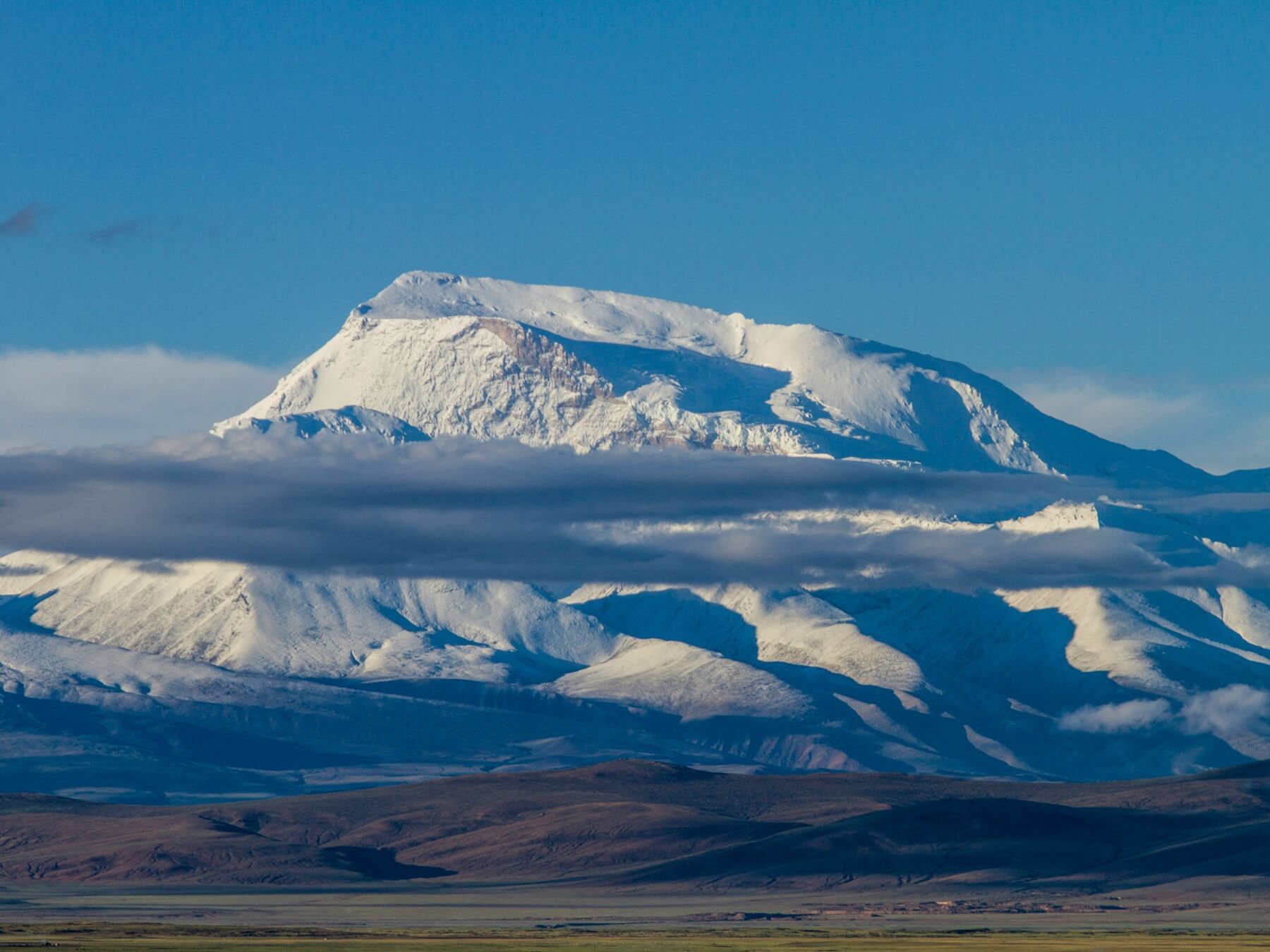
نواصل رحلتنا إلى أعماق التبت – نحو بحيرة ماناساروفار المقدسة. الطريق لوحة متغيرة من القمم الثلجية، والكثبان الرملية، ومراعي الياك، والسهول العالية. على ممر مايون لا (5211 م) نشعر بقرب السماء، والهواء البارد المنعش يوقظ القوة الداخلية. أمامنا اللقاء الأول مع جبل كايلاش – مهيبًا ومقدسًا. قمته البيضاء في الأفق تبعث رهبة وشعورًا بالاقتراب من العظمة. نتوقف عند بحيرة ماناساروفار، التي تلمع كمرآة تعكس الجبال، وتُعد منذ القدم مسكنًا للآلهة ورمزًا للنقاء. المبيت في دارشين عند سفح الجبل. المبيت في الفندق.
اليوم 10.
يُكرّس هذا اليوم للبحيرات المقدسة في التبت. نبدأ ببحيرة راكشاستال الغامضة، بمياهها الخالية من الحياة، فتدفع للتأمل في التناقضات بجوار ماناساروفار – بحيرة الحياة. ثم نزور ماناساروفار بمياهها الزمردية وسط الهيمالايا. نزور دير تشيو القائم فوق كهف بادماسامبهافا، اليوغي العظيم. هنا نشعر بطاقة خاصة تسري في المكان. نعود لاحقًا إلى دارشين للاستعداد لبدء الكورا حول جبل كايلاش. المبيت في الفندق.
اليوم 11.
بداية الكورا حول جبل كايلاش. نغادر دارشين ونسير في مسار يفتح مناظر وادي شيرشونغ. تحيط بنا جبال-آلهة عملاقة: أميتابها، تشينريزي، فاجراپاني. هدفنا الأول دير ديرابوك، ومنه يظهر المشهد الشهير للجدار الشمالي لكايلاش – «المرآة». المبيت في لودج بسيط لكنه ذو أجواء روحانية. المبيت في اللودج.
اليوم 12.
اليوم الأهم في الكورا. نتجه إلى ممر درولما لا – أعلى نقطة في المسار (5669 م). كل خطوة اختبار حقيقي وتطهير روحي. على الممر ترفرف أعلام الصلاة رمزًا للبركة وتحقيق الأمنيات. ننزل إلى وادٍ تحيط به مناظر الجدار الشمالي لكايلاش. المبيت في دير زوترولبوك فوق كهف ميلاريبا. المبيت في الدير.
اليوم 13.
المرحلة الأخيرة من الكورا – العودة إلى دارشين. مسار أسهل لكنه لا يقل جمالًا. نتابع إلى ساغا للمبيت بعد الغداء. المبيت في اللودج.
اليوم 14.
الانتقال من ساغا إلى كيرونغ على الحدود مع نيبال. مناظر الطبيعة تتبدل من هضاب عالية إلى وديان خضراء. هواء منعش ورائحة الصنوبر. المبيت في الفندق.
اليوم 15.
عبور الحدود والعودة إلى كاتماندو عبر الوديان الجبلية وحقول الأرز. المبيت في الفندق.
اليوم 16.
اليوم الختامي. وداع كاتماندو، التسوق الأخير، ثم التوجه إلى المطار. العودة إلى الوطن محمّلين بذكريات لا تُقدّر بثمن.
- الرحلات الجوية الدولية
- الرحلة الداخلية بالطائرة من كاتماندو إلى لاسا
- التأشيرات
- التأمين الطبي الذي يغطي تسلق الجبال والإخلاء بالمروحية
- الإقامة في غرفة فردية
- تسجيل الوصول المبكر أو تسجيل المغادرة المتأخر من الفندق قبل أو بعد البرنامج (نحن نحاول دائمًا الاتفاق مع شركائنا على تقديم مزايا إضافية لضيوفنا، وغالبًا ما يُسمح بتسجيل الوصول المبكر أو المغادرة المتأخرة مجانًا)
- الطعام أثناء التريك (25–35 دولارًا في اليوم)
- حمال شخصي مقابل 25 دولارًا في اليوم لكل 20 كغ (غالبًا ما يتم استئجار حمال واحد لشخصين، ويشمل ذلك تأمين الحمال، نعم نحن نؤمّن جميع أفراد الطاقم)
- الإكراميات
- أي انحرافات عن البرنامج
- أي نفقات مرتبطة بتغييرات البرنامج
Страхование
Наверх Скачать PDFالمستندات:
- جواز سفر دولي
- تذاكر الطيران
- تأمين طبي يغطي الإخلاء بالمروحية
المعدات الشخصية:
- حقيبة ظهر بسعة 30–50 لترًا
- حقيبة كبيرة للأمتعة (يتم توفيرها في الموقع من قبل فريقنا)
- كيس نوم بدرجة حرارة راحة حتى -20° مئوية
- حصيرة نوم
- عصي تريككينغ مع حلقات لا تقل عن 70 مم
- كرامبونات فولاذية
- فأس جليدي مع نظام أمان ذاتي
- حزام تسلق
- خوذة
- مشابك (كارابين) – 4 قطع
- أحزمة أمان ذاتي
- جمار (Jumar)
- جهاز نزول
- كوب + ملعقة + وعاء
الملابس والأحذية:
- أحذية تسلق مزدوجة أو ثلاثية الطبقات (المزدوجة يمكن أن تكون بلاستيكية أو جلدية)
- أحذية تريككينغ معالجة جيدًا مسبقًا بمادة عازلة للماء
- أحذية رياضية (للمدينة)
- طبقة عازلة مقاومة للماء – سترة + بنطال
- بدلة فليس
- ملابس داخلية حرارية (أعلى وأسفل)
- سترة ريش بقبعة من الفئة المتوسطة
- قفازات سميكة دافئة
- قفازات سميكة
- قفازات خفيفة
- باندانـا أو باف (بالإضافة إلى الحماية من الشمس في الوادي يمكن استخدامها لتدفئة الرقبة أو الوجه في البرد)
- قبعة
- جوارب تريككينغ دافئة ليوم الصعود
- قناع واقٍ من الرياح للجزء السفلي من الوجه
متفرقات:
- مصباح أمامي LED بمدة إضاءة لا تقل عن 12 ساعة
- بطارية محمولة (Powerbank)
- نظارات شمسية
- نظارة تزلج واقية
- معطف مطر
- ترمس بسعة 1 لتر، ويفضّل بدون زر في الغطاء
- واقيات الساقين (غاماشات)
- كريم واقٍ من الشمس SPF 50
- مرهم شفاه واقٍ SPF 10–15
- سخانات كيميائية (اختيارية لكنها قد تكون مفيدة جدًا)
- حقيبة إسعافات أولية شخصية
- رباط ضاغط و/أو دعامة داعمة
- معجون أسنان، فرشاة، صابون، شامبو، شباشب
- منشفة
- ورق تواليت (يباع في اللودجات على طول الطريق)