- Guides
- B2B
-
#19607 (no title)
-
#15972 (no title)
- Climb Elbrus Individually
- Climb Elbrus from the South, 9 Days
- Climb Elbrus from the South, 7 Days
- Climb Elbrus from the South with Oxygen
- Climb Elbrus from the North, 10 Days
- Two Summits of Elbrus, 9 Days
- Elbrus Traverse from South to North, 9 Days
- Elbrus Traverse from North to South, 10 Days
- Cross of Elbrus, South to North, 9 Days
- Cross of Elbrus, North to South, 10 Days
- Climb Kazbek and Elbrus — 10-Day Two-Summit Expedition
- Climb Elbrus from the West, 11 Days
- Elbrus by Private Helicopter, 3 Days
- Elbrus Region Holiday and Trekking, 9 Days
- Elbrus Region Holiday, 7 Days
- Elbrus Dating
- Climb Elbrus from the South, 9 Days with Sergey Baranov
-
#15539 (no title)
- Climb Carstensz Pyramid, 8 Days with Helicopter Access
- Climb Mont Blanc, 4810 m — 8-Day Guided Ascent
- Climb the Matterhorn, 4478 m — 8-Day Guided Ascent
- Climb Mount Vinson, 15-Day Antarctic Expedition
- Climb Kosciuszko and Travel in Australia, 7 Days
- Climb Fisht, 2868 m — 3-Day Ascent by the 1B Route
- Climb Mount Wilhelm, 6 Days
-
#15546 (no title)
- Climb Kilimanjaro: the Marangu Route
- Climb Kilimanjaro: the Lemosho Route
- Climb Ararat, 5137 m — 7-Day Classic Climb
- Climb Kazbek from the South, 5033 m — 8 Days in Georgia
- Climb Kazbek and Elbrus — 10-Day Two-Summit Expedition
- Climb the Volcanoes of Mexico — Orizaba and Iztaccíhuatl, 9 Days
- Climb Alpamayo — 16-Day Technical Expedition
- Climb Margaret Peak (Stanley), 5109 m
- Climb Mount Kenya: Point Lenana, 4985 m
- Climb Dykh-Tau by the North Ridge, 13 Days
-
#15554 (no title)
- Aconcagua Climb — 17-Day Guided Expedition
- Island Peak Climb — 18-Day Expedition
- Climb Mera Peak, 6476 m — 16-Day Hinku Valley Expedition
- Climb Ama Dablam, 6812 m — 24-Day Expedition with Island Peak
- Climb Island Peak and Mera Peak — 24-Day Two-Summit Expedition
- Aconcagua and Ojos del Salado — 25-Day Combined Expedition
- Ojos del Salado Climb — 15-Day Expedition
- Climb Chimborazo and Cotopaxi — 14-Day Ecuador Expedition
- Climb Huascarán — 8-Day Technical Ascent
- Climb Razdelnaya Peak, 6148 m — 15-Day Pamir Expedition
- Climb Denali by the West Buttress, 23 Days
- #15565 (no title)
- #15572 (no title)
-
#15972 (no title)
-
#19592 (no title)
-
Trekking in Nepal: routes to the eight-thousanders
- K2 Base Camp Trek via the Gondogoro La
- Everest Base Camp Trek — 14 Days
- Everest Base Camp via Gokyo Lakes — 15 Days
- Short Everest Base Camp Trek in 10 Days
- Annapurna Circuit and Tilicho Lake Trek
- Manaslu Circuit Trek
- Kanchenjunga Circuit Trek (XXL)
- Kanchenjunga North Base Camp Trek (Short)
- Kanchenjunga from India: the Goecha La Trek in Sikkim
- Makalu Base Camp Trek
- Annapurna Base Camp Trek
- Trekking in South America
- Asia
- Trekking in Africa
-
Trekking in Russia
- Elbrus Region Holiday and Trekking, 9 Days
- Elbrus Region Holiday, 7 Days
- Oshten + Kardyvach — 9-Day Western Caucasus Trek
- Lake Kardyvach — 5-Day Base-Camp Trek
- Route 30: Through the Mountains to the Sea, with Oshten — 4 Days
- Trekking in Arkhyz — 7 Days over the Ayulyu Pass
- Gvandra Trek — 7 Days to the Ullu-Kyol Lakes
- Trekking in Dombai — 7 Days with the Murudzhu Lakes
- Europe
-
Trekking in Nepal: routes to the eight-thousanders
-
Adventure expeditions
-
Trekking in Africa
- モロッコツアー:北アフリカの中心
- トゥブカルの登山とモロッコの文化
- Eritrea: the Dahlak Archipelago and the Rashaida Nomads
- Rwanda: Mountain Gorillas and the Bisoke Volcano
- Ethiopia: Otherworldly Landscapes and the Peoples of the Omo Valley
- ウガンダツアー:クイーンズパークとマウンテンゴリラ
- Tanzania Safari: Serengeti, Ngorongoro and Tarangire
- ウガンダツアー:ホワイトサイとマウンテンゴリラ
- Zimbabwe and South Africa: Victoria Falls, Cape Town and the Cape of Good Hope
- Namibia: Etosha National Park and the Himba
- Kenya Safari: the African Big Five
- ボツワナツアー:オカバンゴデルタとチョベ公園
- Trekking in South America
- Asia
-
Trekking in Africa
- Ski touring and ski mountaineering: chasing freedom in the mountains
- VIP tours
- #19722 (no title)
- About
Brazil: Pantanal, Iguassu, Rio — 15 Days
- Height (m)
- Under 2,000
- Duration
- 15 days
- Difficulty
- Low
- Continent
- South America
- Children
- Ages 2+
- Accommodation
- Hotels only
5900 $
Why to go with us?
Temporarily unavailable
A fifteen-day Brazil expedition in three parts: wildlife in the Pantanal, the cave and the falls at Bonito and Foz do Iguaçu, and Rio de Janeiro.
- The Iguazu falls, higher and wider than Niagara
- An abseil on a free-hanging rope into a cave regarded as one of the most beautiful in South America
- Diving among fish species that have lived in complete isolation for more than two million years
- A flight over the panorama of the Pantanal, one of the most distinctive natural regions on the planet
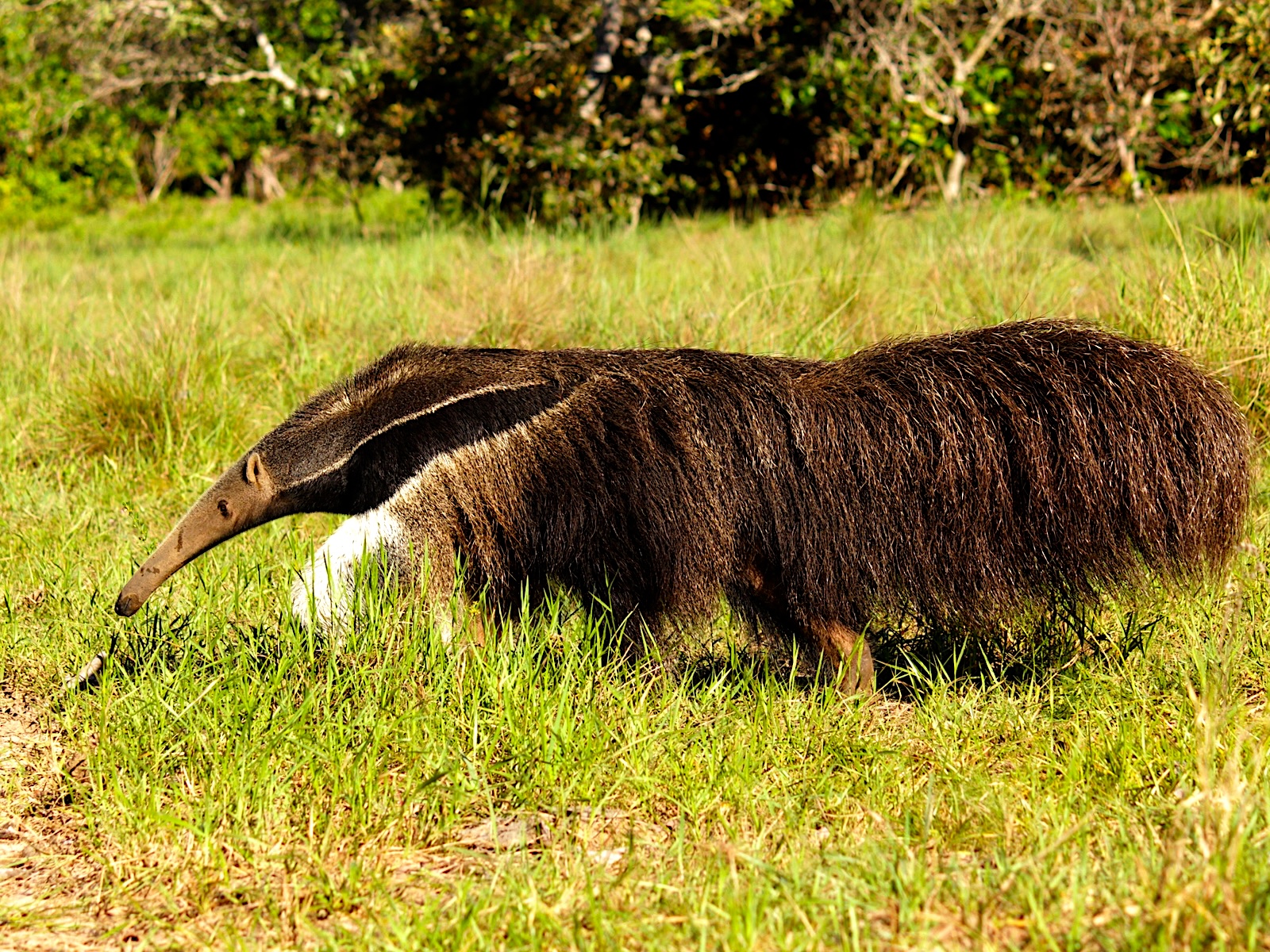
- Pantanal jaguars, giant anteaters, ocelots, monkeys, anacondas and the capybara, the largest rodent on Earth
- Catching and grilling piranha for lunch
- Learning to throw a lasso, as in the old westerns
- Sharing a picnic sandwich with the caimans
- Learning to ride and setting out on a real journey through the jungle
- Kayaking on the Rio Negro, a tributary of the Amazon and the mysterious black river of South America
- Herds of some of the best beef cattle in the world and, perhaps, a jaguar hunting them
The company does not sell air tickets or arrange visas, and cannot accept responsibility for events beyond its control connected with flights and border crossings.
About the Brazil journey
This is a Brazil expedition made up of three very different parts. It is worth coming for what the Iguazu falls, the Pantanal reserve, a tributary of the Amazon and the wild Amazonian jungle can offer.
If you choose Brazil and decide to go to the Pantanal, remember that although these places are visited, most of them remain genuinely wild. Protected Latin American land is no more forgiving than any other remote wilderness, and the trip is planned around that.
The final part of the journey is Rio de Janeiro, the second largest city in Brazil.
Three-in-One Brazil itinerary, 15 days
Day 1. Arrival in Campo Grande.
Our representative meets you at the airport. Check-in at the hotel. In the evening, a short briefing with the guide and the safety instructions. Dinner at one of the local restaurants serving national cooking.
Day 2. Campo Grande – Fazenda Baía das Pedras (310 km, 6 hours’ drive).
Early in the morning we get into the jeeps and set off across the Pantanal, one of the most interesting regions in the world. The first 175 km are made road, the next 135 km a rough track through the bush. Along the way you may see various wild animals: marsh and pampas deer, capybara, caimans, howler monkeys, tapirs, wild pigs, toucans, jabiru storks, hyacinth macaws, yellow and red macaws and hundreds of other birds. We arrive at the lodge towards evening and check in. The following activities are planned for your stay: riding, walking, canoe trips and a photo safari around the area. The fazenda stands on the shore of the Vazante de Castelo marsh lake in the Nhecolândia region of the Pantanal. Hospitality and local cooking are the basis of the fazenda’s traditions, and guests can try their hand at working with the cattle and get to know the local culture better. Night at the fazenda lodge.
Day 3. Activities at Fazenda Baía das Pedras.
The activities described above, spread across the days so that we are sure to try all of them. Every excursion is chosen carefully according to the climate and the season. They are led by local guides who know everything about the distinctive local flora and fauna. To avoid the midday heat, all the trips are planned for the morning and the late afternoon, which are also the times when animals are most active. Night at the fazenda lodge.
Day 4. Fazenda Baía das Pedras – Fazenda Barranco Alto (80 km, 1.5 hours’ drive).
After breakfast, a road transfer to Fazenda Barranco Alto with stops for photography and wildlife. The drive is not just hours in a vehicle: it is often in these hours that we manage to see giant anteaters and armadillos, so keep your eyes open, this is a real safari. Arrival and check-in at the lodge. The rest of the trip is adapted to guests’ own preferences. Among the activities on offer are a photo safari and a trip along the bends of the Rio Negro in silent boats and kayaks. The waters hold various species of piranha, as well as river catfish and caimans. Sloths live in the trees along the bank. There are also day and night trips on horseback, on foot and by boat, spotlight searches for animals at night, swimming and the study of river life. Lunch and the night at Fazenda Barranco Alto.
Days 5 and 6. Activities at Fazenda Barranco Alto.
The activities described above. Every excursion is chosen carefully according to the climate and the season. They are led by local guides who know everything about the distinctive local flora and fauna. To avoid the midday heat, all the trips are planned for the early morning and the late afternoon, which are also the times when animals are most active. Nights at the fazenda.
Day 7. Fazenda Barranco Alto – Campo Grande – Bonito.
After breakfast you take a memorable flight in a light aircraft (Cessna 206 or 210, or a Piper Arrow) over the wetlands of the Pantanal, heading back to Campo Grande. The flight lasts about 60 minutes and gives a bird’s-eye view of the Pantanal wetlands, with their forested islands, lakes and channels and the farms built here and there on higher ground to avoid the annual floods. Flying at 183 m above the Pantanal, you can see tapirs, capybara, flocks of birds and other animals. Then a drive of 4 to 6 hours to Bonito, and in the evening a practice session on the rope technique for the descent into the cave the following day.
Day 8. The Abismo Anhumas cave.
Today you will feel like a real climber. We descend 72 metres on ropes, without even touching the rock, to make a short boat trip on the underground lake and look at unique, untouched stalactites, some of which even have names, then snorkel or dive, and climb back up the ropes. The fish that live in the cave lake arrived here two million years ago and have developed in isolation from the outside world ever since. The lake is replenished with organic matter and water in the rainy season; it is clear for tens of metres down, showing us the stalagmites on the bottom.
Day 9. Transfer to Foz do Iguaçu.
Day 10. The Iguazu falls and the bird park.
Today we visit the Iguazu falls, an enormous complex of almost 300 separate falls inscribed on the UNESCO World Heritage list. The water falls up to 82 metres. The place is surrounded by legends; one of them says that a god wanted to marry a beautiful local woman, but she fled with her lover by canoe, and in his anger the god cut the river in two, creating the falls and condemning the lovers to fall for ever. A word of caution: in every café in the Iguazu national park there are dozens of permanently hungry coatis. Trying to feed them by hand can end in serious injury, however endearing these animals are.
After the falls we visit the well-known Iguazu bird park. This is a private zoo founded in 1994 by the Croukamp family. The park covers more than 16 hectares and holds around 800 birds. Besides birds you can see butterflies and reptiles characteristic of the area. It is worth noting that this is not simply a commercial zoo but a place where birds are rescued from illegal traders, treated and socialised with other birds so that they can return to a normal life. Night in a hotel.
Day 11. Flight to Rio de Janeiro.
Flight to Rio de Janeiro and transfer to the hotel. Free time in the evening, which we suggest spending on a walk through Rio. Simply enjoy the atmosphere of this cinematic city over a glass of cachaça, the Brazilian national drink, or a cup of real Brazilian coffee. The evening can be spent in a restaurant on Copacabana beach, where you can try absolutely everything that lives in the ocean. Tomorrow we start seeing the city’s most striking sights. Night in a hotel.
Day 12. Corcovado, Sugarloaf, the Selarón steps and the Maracanã.
An ideal journey through Rio de Janeiro is an exotic mixture of rich culture, energetic dance and lasting impressions. We begin exploring the city with the ascent of the well-known Corcovado hill, where the statue of Christ the Redeemer stands, the symbol of Rio de Janeiro. We take in the remarkable views of the city and the sweeping panoramas of Guanabara bay. We continue our adventure at another significant Rio landmark, Sugarloaf Mountain, riding the cable car and enjoying the striking views of the city, the ocean and the surrounding mountains. Then, after lunch in a classic Rio steakhouse, our route leads to the Selarón steps and the Maracanã stadium.
Day 13. Copacabana and Ipanema.
Today the famous beaches of Copacabana and Ipanema await us, where we enjoy the Brazilian sun and the waves. We swim in the warm water of the Atlantic and try fresh fruit from the sellers on the beach. An evening helicopter flight over the city is one of the most memorable experiences of the journey. Later it is worth visiting the local clubs or bars to take in the atmosphere of this lively, traditional music and dance. Night in a hotel.
Day 14. The Rocinha favela.
A walk through Rocinha, the largest favela in Brazil. Today we learn about life in the city’s best known informal neighbourhoods, walk through them with a resident of the favela, meet local people and see their life beyond the stereotypes. Free time after lunch. Dinner at a Michelin restaurant.
Day 15. Transfer to the airport.
Flight home.
What's included
- An experienced trek leader with extensive climbing experience, for groups of 4 participants or more
- The domestic flight to Rio de Janeiro
- Hotel accommodation in twin rooms, the number of nights set out in the itinerary
- All transfers during the trip
- All the safaris in the itinerary
- The jeep trips
- Piranha fishing
- The cave dive
- The flight in a light aircraft (Cessna 206 or 210, or a Piper Arrow)
- Horse riding
- Kayaking
- The helicopter flight over Rio de Janeiro
- All entrance fees
- All the necessary permits and registrations
- Group equipment
- A first-aid kit
What's not included
- International flights
- Visa
- Travel insurance
- Single occupancy
- Lunches and dinners
- Personal equipment
- Any departure from the itinerary
- Any expenses arising from change to the itinerary
- Tips
Private groups
A private group can agree its own date, the standard of accommodation and extra days in the Pantanal, at Iguassu or in Rio de Janeiro. Activities involving a light aircraft, a helicopter, diving or wildlife watching are confirmed separately: they depend on the weather, on the operators’ schedules and on safety requirements.
Documents you need
- Passport
- The documents required to enter Brazil on your nationality
- Medical insurance covering safari, water-based activities and the excursions on this trip
- Tickets and confirmations for the internal flights
- The country’s current health requirements are checked before the trip
- We recommend keeping digital copies of your documents on your phone and in cloud storage
Weather and seasons
The route crosses several climate zones, so there is no single ideal season for the whole trip. In the Pantanal the water level and rainfall change which roads are passable and how good the wildlife watching is; at Iguassu and in Rio you can meet both heat and heavy downpours. The date is chosen after regional conditions and the availability of all the excursions have been checked.
Accommodation and meals
The trip uses twin rooms in hotels. The specific properties and the number of nights are confirmed on the invoice. Lunches and dinners are not included; your guide will help you choose somewhere suitable. Allergies and dietary restrictions must be reported before booking.
Facilities on the route
- The town hotels have a shower, electricity and internet
- On the outings into the Pantanal, phone signal and internet can be unreliable
- Some days start early and involve long drives
- Wildlife watching does not guarantee an encounter with any particular species
- The order of activities can change because of the weather or decisions taken by local operators
Insurance
НаверхEquipment list for the "Three in One" journey through Brazil
Скачать PDFDocuments:
- Passport
- Air tickets
- Medical insurance
- Yellow fever vaccination certificate
Clothing and footwear:
- Boots and trainers, two pairs
- Fleece jacket
- Bandana or buff
- Sun hat or cap
- Long-sleeved shirts and tops
- Lightweight trekking trousers
- Shorts
- T-shirts
Other items:
- Powerbank
- Sunglasses
- Rain jacket
- SPF 50 sun cream
- Mosquito repellent
- Malaria medication
- SPF 10-15 lip balm
- Personal first-aid kit
- Toiletries, wet wipes and flip-flops
- Swimming things