- Guides
- B2B
-
#19607 (no title)
-
#15972 (no title)
- Climb Elbrus Individually
- Climb Elbrus from the South, 9 Days
- Climb Elbrus from the South, 7 Days
- Climb Elbrus from the South with Oxygen
- Climb Elbrus from the North, 10 Days
- Two Summits of Elbrus, 9 Days
- Elbrus Traverse from South to North, 9 Days
- Elbrus Traverse from North to South, 10 Days
- Cross of Elbrus, South to North, 9 Days
- 「北からの十字架」プログラムに従ってエルブルス山を登る
- Climb Kazbek and Elbrus — 10-Day Two-Summit Programme
- Climb Elbrus from the West, 11 Days
- エルブルス山 ヘリコプター登頂
- Elbrus Region Holiday and Trekking, 9 Days
- Elbrus Region Holiday, 7 Days
- Elbrus登Tinderツアー
- Climb Elbrus from the South, 9 Days with Sergey Baranov
- #15539 (no title)
-
#15546 (no title)
- Climb Kilimanjaro: the Marangu Route
- Climb Kilimanjaro: the Lemosho Route
- Climb Ararat, 5137 m — 7-Day Classic Programme
- Climb Kazbek from the South, 5033 m — 8 Days in Georgia
- Climb Kazbek and Elbrus — 10-Day Two-Summit Programme
- メキシコで火山を登る
- Climbing Alpamayo — 16-Day Technical Expedition
- マーガレットピークを登る(スタンレー)
- Climbing Mount Kenya: Point Lenana, 4,985 m
- Climb Dykh-Tau by the North Ridge, 13 Days
-
#15554 (no title)
- Aconcagua Climb — 17-Day Guided Expedition
- Island Peak Climb — 18-Day Expedition
- Climb Mera Peak, 6476 m — 16-Day Hinku Valley Programme
- Climb Ama Dablam, 6812 m — 24-Day Expedition with Island Peak
- Climb Island Peak and Mera Peak — 24-Day Two-Summit Expedition
- Aconcagua and Ojos del Salado — 25-Day Combined Expedition
- Ojos del Salado Climb — 15-Day Expedition
- クライミングチンボラゾ、コトパクシ
- ワスカランクライミング
- Climb Razdelnaya Peak, 6148 m — 15-Day Pamir Expedition
- Climb Denali by the West Buttress, 23 Days
- #15565 (no title)
- #15572 (no title)
-
#15972 (no title)
-
#19592 (no title)
-
See 8000m
- K2 Base Camp Trek via the Gondogoro La
- Everest Base Camp Trek — 14 Days
- Everest Base Camp via Gokyo Lakes — 15 Days
- 一週間でエベレストへのトレッキング
- Annapurna Circuit and Tilicho Lake Trek
- Manaslu Circuit Trek
- Kanchenjunga Circuit Trek (XXL)
- Kanchenjunga North Base Camp Trek (Short)
- Kanchenjunga from India: the Goecha La Trek in Sikkim
- マカルベースキャンプへのトレッキング
- アンナプルナベースキャンプトレッキング
- South America
- Asia
- Africa
-
Russia
- Elbrus Region Holiday and Trekking, 9 Days
- Elbrus Region Holiday, 7 Days
- トレッキングオシュテン+カルディヴァッハ
- Lake Kardyvach — 5-Day Base-Camp Trek
- Route 30: Through the Mountains to the Sea, with Oshten — 4 Days
- Trekking in Arkhyz — 7 Days over the Ayulyu Pass
- Gvandra Trek — 7 Days to the Ullu-Kyol Lakes
- Trekking in Dombai — 7 Days with the Murudzhu Lakes
- Europe
-
See 8000m
-
Adventures
-
Africa
- モロッコツアー:北アフリカの中心
- トゥブカルの登山とモロッコの文化
- エリトリアツアー:ダラク諸島とラシャイダ遊牧民
- ルワンダツアー:マウンテンゴリラとビソーク火山
- エチオピアツアー:宇宙の風景とオモ渓谷の部族
- ウガンダツアー:クイーンズパークとマウンテンゴリラ
- Tanzania Safari: Serengeti, Ngorongoro and Tarangire
- ウガンダツアー:ホワイトサイとマウンテンゴリラ
- ジンバブエと南アフリカツアー:ビクトリアフォールズ、ケープタウン、ケープオブグッドホープ
- ナミビアツアー:エトーシャパークとヒンバ族
- ケニアツアー:アフリカのビッグファイブ
- ボツワナツアー:オカバンゴデルタとチョベ公園
- South America
- Asia
-
Africa
- Ski-touring
- VIP
- #19722 (no title)
- About
Climb Mera Peak, 6476 m — 16-Day Hinku Valley Programme
- Height (m)
- 6476
- Duration
- 16 days
- Difficulty
- Moderate
- Continent
- Asia
- Children
- No
- Accommodation
- There are tents
2950 $
Why to go with us?
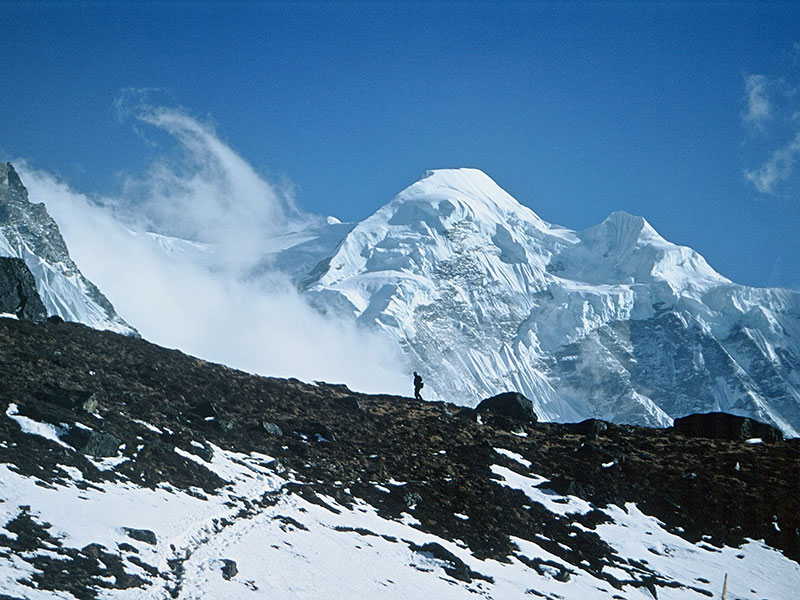
Climbing Mera Peak — a 16-day Himalayan programme for physically prepared participants who want a first experience above 6000 m. The route runs through the Hinku valley and settlements less crowded than the classic trail to Everest, and before the summit it includes acclimatisation in Khare and a night in a high camp.
- The summit of Mera Peak, 6476 m
- A panorama of Everest, Lhotse, Makalu and Kangchenjunga
- The Zatrwa La pass, 4610 m
- Staged acclimatisation in Chutang, Tagnag and Khare
- Training and a check of technical equipment before the climb
- A high camp at 5800 m
- Mountain Guide expedition leader for groups of 4 participants or more
- Assistant guides on summit day — no more than 3 participants per guide
This programme can suit a participant seeking a first Himalayan 6000 m peak, but the word “trekking” does not mean easy. The summit is reached over snow and glacier in crampons, with a harness and an ice axe. The main requirements are endurance, confident use of the agreed equipment and the ability to keep working effectively at high altitude.
Important:
- International and domestic flights, the transfers to Ramechhap airport, lodge meals and a personal porter are paid for separately
- Flights to Lukla depend on the weather, so plan the international departure with a margin
- Personal technical equipment is always agreed with the guide before the trip
- The summit is not guaranteed — the decision to continue or turn around rests with the lead guide
- Mountain Guide does not sell air tickets and does not process visas
About the Mera Peak climb
Mera Peak lies in the Khumbu region of Nepal, but the approach does not follow the main trail to Everest Base Camp: it runs through the Hinku valley. After the flight to Lukla the group climbs to Chutang, crosses the Zatrwa La pass, descends to Kote and then gains altitude in stages through Tagnag to Khare. That logic combines remote trekking, lodge accommodation and a self-contained high-altitude section in a tented camp.
This programme can suit a participant seeking a first experience above 6000 m. The route does not require difficult rock climbing, but it crosses snow and glacier terrain. Participants use crampons, an ice axe, a harness, an ascender and a descender. Before the departure the guide checks technique and the compatibility of each personal kit.
Acclimatisation begins immediately after Lukla. In Chutang there is an excursion towards the Zatrwa La, and the overnight altitudes then rise gradually to Tagnag and Khare. An extra day in Khare is needed for recovery, for assessing how everyone feels and for working with equipment. The high tented camp at 5800 m reduces the gain on summit day, but the night itself requires a good sleeping bag and the ability to look after yourself in a cold camp.
On summit day the group sets off before dawn. The climb takes roughly 6–8 hours and the descent to the high camp about 3–4 hours, after which the programme returns to Khare. Altitude, wind, cold and the state of the snow can change both pace and tactics. Assistant guides work at a ratio of no more than three participants to one guide, and the final decision to set off or to turn around rests with the lead guide.
The programme suits someone with good aerobic fitness and experience of multi-day walking. A previous 5000 m summit is desirable: it helps you understand your own reaction to altitude. If your technical skills are minimal, work on them before the trip and go over them again in Khare.
A Mountain Guide expedition leader accompanies groups of 4 participants or more; for a group of up to 3 participants a Nepalese guide is confirmed.
Mera Peak climbing programme, 16 days
Day 1. Arrival in Kathmandu.
Participants fly to Kathmandu independently, where a member of the team meets them and takes them to the hotel. After checking in there is an introduction to the guide, a check of personal and technical equipment, distribution of baggage and a route briefing. The day is needed to recover from the flight and to replace anything unsuitable before leaving for the mountains. In the evening there is a group dinner. Night in a hotel.
Day 2. Flight to Lukla, 2800 m.
The group travels to the departure airport and flies to Lukla. The airport, the flight time and the ground logistics are confirmed before the trip. On arrival participants check into a lodge, rest and get used to the altitude. The guide checks the baggage again, because the self-contained walking section starts the next day. Night in a lodge.
Day 3. Walk to Chutang, 3537 m, and acclimatisation excursion.
The first full stage passes through rhododendron, pine and birch forest with a gradual gain in altitude. After checking in at Chutang the group makes an acclimatisation excursion to roughly 4000 m towards the Zatrwa La pass and comes back down. The excursion prepares the body for the next high overnight stop and lets the guide assess the participants’ pace. Night in a lodge.
Day 4. The Zatrwa La pass, 4610 m, and the walk to Tuli Kharka, 4250 m.
An early start is needed for a long stage over the pass. In 6–8 hours the group climbs into the alpine zone, crosses the high point of the day and descends to Tuli Kharka. This is the first serious test of acclimatisation and endurance; the pass may bring cold, wind and snow. On arrival there is recovery and a check on how everyone is feeling. Night in a lodge.
Day 5. Descent to Kote, 3400 m.
A stage of about 4–6 hours leads down through forest and along the valley to the river. Losing altitude after the pass gives the body a chance to recover before the further gain. In Kote participants rest, dry their clothing and prepare their day packs for the upper Hinku valley. Night in a lodge.
Day 6. Walk to Tagnag, 4267 m.
The group climbs along the Hinku river into more open high-mountain terrain. The pace stays even, because the difference in altitude is noticeable and the acclimatisation continues. On arrival it is important to rest, drink enough and report any headache, nausea or unusual weakness to the guide at once. Night in a lodge.
Day 7. Walk to Khare, 4810 m.
In 3–4 hours participants reach the main preparation base before Mera Peak. The short duration does not make it a recovery day: the body takes on a new high-altitude load. After checking in, the guide reviews how everyone is feeling and confirms the plan for the next day, while participants prepare crampons, harness and ice axe. Night in a lodge.
Day 8. Acclimatisation and preparation in Khare.
The group spends a second night in Khare. Depending on the participants’ condition there is a short acclimatisation excursion, and training or revision of work with crampons, ice axe, ascender and descender. The day is also needed for rest, for the final adjustment of equipment and for packing for the high camp. Night in a lodge.
Day 9. Climb to the high camp, 5800 m.
Participants leave Khare and climb over snow and glacier terrain to the camp below the summit. At altitude movement slows down, so keeping the spacing and following the guide’s instructions matters. Once the tents are up the group rests, eats and prepares clothing and technical equipment for the night start. Night in tents.
Day 10. Ascent of Mera Peak, 6476 m.
The start is before dawn. The climb up snow slopes takes roughly 6–8 hours and calls for work in crampons and on the rope as the guides direct. In suitable conditions the summit opens up Everest, Lhotse, Makalu and Kangchenjunga. After a short stop the group descends to the high camp in about 3–4 hours and continues to Khare. This is the hardest day of the programme. Night in a lodge.
Day 11. Descent to Kote.
The long descent takes about 6–8 hours. Losing altitude makes recovery easier, but after summit day it is particularly important to stay attentive on the rocky trail. On arrival the group rests, dries its equipment and takes stock before the final stages. Night in a lodge.
Day 12. Descent to Thuli Kharka.
The route continues through alpine meadows and the forest zone. The day returns participants to a milder climate with more oxygen, though accumulated fatigue calls for a steady pace. In the evening the guide checks the weather and the state of the trail before the stage to Lukla. Night in a lodge.
Day 13. Walk to Lukla.
The final walking stage brings the group to Lukla. After checking in, the local team prepares the baggage for the flight and the guide confirms the flight and ground transfer details. In the evening there is a group dinner to mark the end of the mountain section. Night in a lodge.
Day 14. Reserve day.
The day is kept in case of poor weather, a delay on the route or a need for extra acclimatisation. Its use is decided by the lead guide. If the reserve is not needed, the group rests and stays ready to fly; changing plans independently without agreement is not permitted. Where the night is spent depends on the actual schedule.
Day 15. Flight from Lukla and return to Kathmandu.
In suitable conditions the group flies out of Lukla and, after landing, returns to Kathmandu on the agreed transfer. The actual timing depends on how the mountain airport is operating. After checking into the hotel, participants rest, sort out their equipment and prepare for the international flight. Night in a hotel.
Day 16. End of the programme.
After breakfast there is a transfer to the international airport. Participants check in themselves. Choose return tickets with possible weather delays in Lukla and the confirmed programme reserve in mind.
What the Mera Peak programme price includes
- Mountain Guide expedition leader for groups of 4 participants or more
- A Nepalese mountain guide for groups of up to 3 participants
- Assistant guides on summit day — no more than 3 participants per guide
- Meeting and seeing off at Kathmandu airport
- Accommodation in a 4-star hotel in Kathmandu — 2 nights
- Breakfasts in Kathmandu
- Lodge accommodation on the trek
- Accommodation and meals in tents during the high-altitude section
- Group climbing equipment — high-altitude tents, gas, stoves and ropes
- Porters for the group equipment and the high-camp supplies
- A soft duffel bag for personal belongings — provided on arrival
- The climbing permit and the route permits required
- The mandatory rubbish fee
What the Mera Peak programme price does not include
- International flights
- Domestic flights Ramechhap – Lukla – Ramechhap
- Transfers Kathmandu – Ramechhap airport – Kathmandu
- The Nepal visa — a 30-day visa covers the length of the programme; the fee is set by the Nepalese authorities and paid by the participant
- Personal climbing and trekking equipment
- Mountaineering medical insurance covering climbing to an altitude of at least 6476 m, search and rescue and helicopter evacuation
- Rescue operations and evacuation
- Single occupancy
- Early check-in, late check-out and additional nights
- Lunches and dinners in Kathmandu
- Lodge meals during the trek — USD 30–50 a day
- Drinks
- A personal porter, at the rate confirmed in the written quotation including transport. In a trekking group one porter may carry the belongings of two participants
- Tips for the local team
- Costs arising from ending your participation early
- Additional costs caused by delays, the weather or forced changes to the programme
Insurance
НаверхEquipment.
Скачать PDF書類:
- パスポート
- 航空券
- 医療保険
個人装備:
- バックパック 60リットル
- 個人荷物用バウル(現地で当社チームが用意します)
- シュラフ(快適使用温度 −20℃〜−30℃)
- マット
- トレッキングポール(必ず直径70mm以上のバスケット付き)
- スチール製アイゼン
- クラシックタイプのピッケル(スチールヘッド)またはアイスツール
- アルパインハーネス
- ヘルメット
- カラビナ 3個
- セルフビレイ用ランヤード
- ユマール
- 下降器
- カップ・スプーン・ボウル
衣類・靴:
- アルパインブーツ(二重または三重構造。二重の場合はプラスチック製またはレザー製で、外付けゲイター付きが強く推奨)
- トレッキングブーツ(事前に必ず防水剤で十分に処理してください)
- スニーカー(街用)
- 防水レイヤー:ジャケット+パンツ(5000/5000程度の基本的なメンブレン素材からGore-Tex製品まで可)
- フリース上下
- 保温下着(上下)
- フード付きダウンジャケット(厚手で暖かいもの)
- 防寒ミトン
- 厚手のグローブ
- 薄手のグローブ
- バンダナ(谷では日除けとして、寒冷時には首や顔の防寒にも使用可能)
- ニット帽
- 登頂日用の暖かいトレッキングソックス
その他:
- ヘッドランプ(連続点灯時間12時間以上)
- モバイルバッテリー
- サングラス
- スキーゴーグル
- レインウェア
- 保温ボトル 1リットル(フタにボタンのないタイプ推奨)
- ゲイター
- 日焼け止めクリーム SPF50
- リップクリーム SPF10–15
- 化学カイロ(必須ではありませんが、非常に役立つ場合があります)
- 個人用救急セット
- 伸縮包帯および/またはサポーター
- 歯磨き粉、歯ブラシ、石けん、シャンプー、サンダル
- タオル
- トイレットペーパー(道中のロッジで購入可能)
You may also like
-
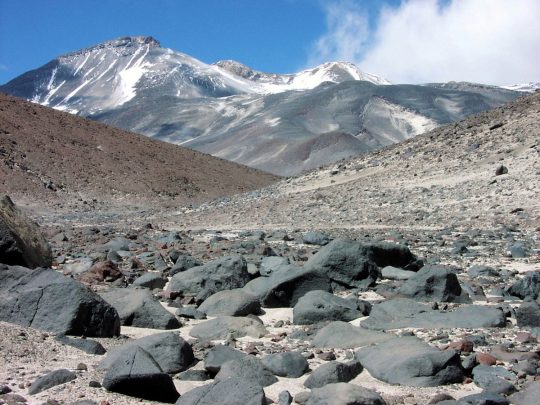 8,785 $
Aconcagua and Ojos del Salado — 25-Day Combined Expedition
- Height (m)
- 6893, 6957
- Duration
- 22 days
- Difficulty
- Moderate
- Continent
- South America
- Children
- From 14 years old
- Accommodation
- There are tents
-
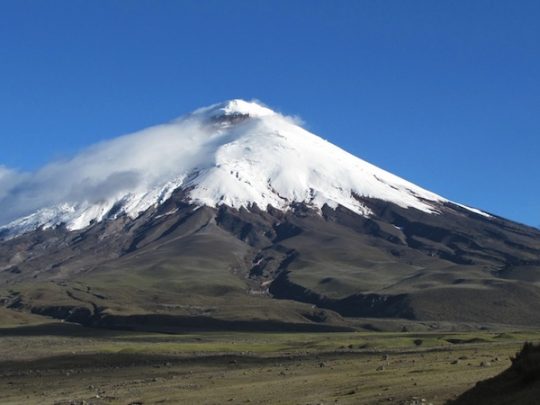 3,900 $
クライミングチンボラゾ、コトパクシ
- Height (m)
- 5897, 6384
- Duration
- 11 days
- Difficulty
- Moderate
- Continent
- South America
- Children
- From 14 years old
- Accommodation
- Hotels only
-
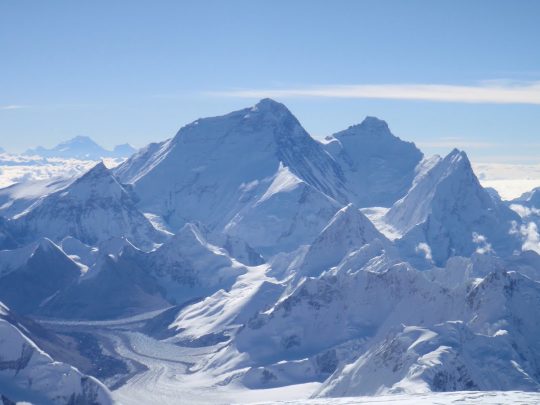 4,710 $
ムズタグアタクライミング
- Height (m)
- 7546
- Duration
- 22, 26 days
- Difficulty
- Above average
- Continent
- Asia
- Children
- No
- Accommodation
- There are tents
-
 3,129 $
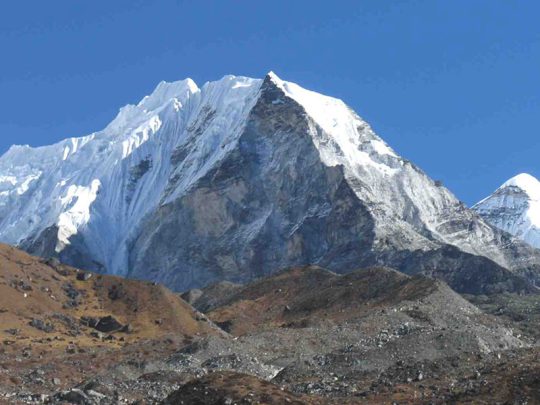
Island Peak Climb — 18-Day Expedition