- Guides
- B2B
-
#19607 (no title)
-
#15972 (no title)
- Climb Elbrus Individually
- Climb Elbrus from the South, 9 Days
- Climb Elbrus from the South, 7 Days
- Climb Elbrus from the South with Oxygen
- Climb Elbrus from the North, 10 Days
- Two Summits of Elbrus, 9 Days
- Elbrus Traverse from South to North, 9 Days
- Elbrus Traverse from North to South, 10 Days
- Cross of Elbrus, South to North, 9 Days
- 根据”来自北方的十字架”计划攀登厄尔布鲁士山
- Climb Kazbek and Elbrus — 10-Day Two-Summit Programme
- Climb Elbrus from the West, 11 Days
- 厄尔布鲁士乘坐直升机
- Elbrus Region Holiday and Trekking, 9 Days
- Elbrus Region Holiday, 7 Days
- Tinder 之旅,攀登厄尔布鲁士峰
- Climb Elbrus from the South, 9 Days with Sergey Baranov
-
#15539 (no title)
- Climb Carstensz Pyramid, 8 Days with Helicopter Access
- Climb Mont Blanc, 4810 m — 8-Day Guided Ascent
- Climb the Matterhorn, 4478 m — 8-Day Guided Ascent
- Climb Mount Vinson, 15-Day Antarctic Expedition
- Climb Kosciuszko and Travel in Australia, 7 Days
- Climb Fisht, 2868 m — 3-Day Ascent by the 1B Route
- Climb Mount Wilhelm, 6 Days
-
#15546 (no title)
- Climb Kilimanjaro: the Marangu Route
- Climb Kilimanjaro: the Lemosho Route
- Climb Ararat, 5137 m — 7-Day Classic Programme
- Climb Kazbek from the South, 5033 m — 8 Days in Georgia
- Climb Kazbek and Elbrus — 10-Day Two-Summit Programme
- 攀登火山在墨西哥
- Climbing Alpamayo — 16-Day Technical Expedition
- 攀登玛格丽特峰(斯坦利)
- Climbing Mount Kenya: Point Lenana, 4,985 m
- Climb Dykh-Tau by the North Ridge, 13 Days
-
#15554 (no title)
- Aconcagua Climb — 17-Day Guided Expedition
- Island Peak Climb — 18-Day Expedition
- Climb Mera Peak, 6476 m — 16-Day Hinku Valley Programme
- Climb Ama Dablam, 6812 m — 24-Day Expedition with Island Peak
- Climb Island Peak and Mera Peak — 24-Day Two-Summit Expedition
- Aconcagua and Ojos del Salado — 25-Day Combined Expedition
- Ojos del Salado Climb — 15-Day Expedition
- Climb Chimborazo and Cotopaxi — 14-Day Ecuador Programme
- 瓦斯卡兰攀岩
- Climb Razdelnaya Peak, 6148 m — 15-Day Pamir Expedition
- Climb Denali by the West Buttress, 23 Days
- #15565 (no title)
- #15572 (no title)
-
#15972 (no title)
-
#19592 (no title)
-
See 8000m
- K2 Base Camp Trek via the Gondogoro La
- Everest Base Camp Trek — 14 Days
- Everest Base Camp via Gokyo Lakes — 15 Days
- 一周内徒步前往珠穆朗玛峰
- Annapurna Circuit and Tilicho Lake Trek
- Manaslu Circuit Trek
- Kanchenjunga Circuit Trek (XXL)
- Kanchenjunga North Base Camp Trek (Short)
- Kanchenjunga from India: the Goecha La Trek in Sikkim
- 徒步前往马卡鲁大本营
- 徒步前往安纳布尔纳峰大本营
- South America
- Asia
- Africa
-
Russia
- Elbrus Region Holiday and Trekking, 9 Days
- Elbrus Region Holiday, 7 Days
- 徒步奥什滕 + 卡德瓦赫
- Lake Kardyvach — 5-Day Base-Camp Trek
- Route 30: Through the Mountains to the Sea, with Oshten — 4 Days
- Trekking in Arkhyz — 7 Days over the Ayulyu Pass
- Gvandra Trek — 7 Days to the Ullu-Kyol Lakes
- Trekking in Dombai — 7 Days with the Murudzhu Lakes
- Europe
-
See 8000m
- Adventures
- Ski-touring
- VIP
- #19722 (no title)
- About
Ski Touring on Muztagh Ata, 7546 m
- Height (m)
- 7546
- Duration
- 22 дня
- Difficulty
- Average
- Continent
- Asia
- Children
- No
- Accommodation
- There are tents
6000 $
Почему такая цена?
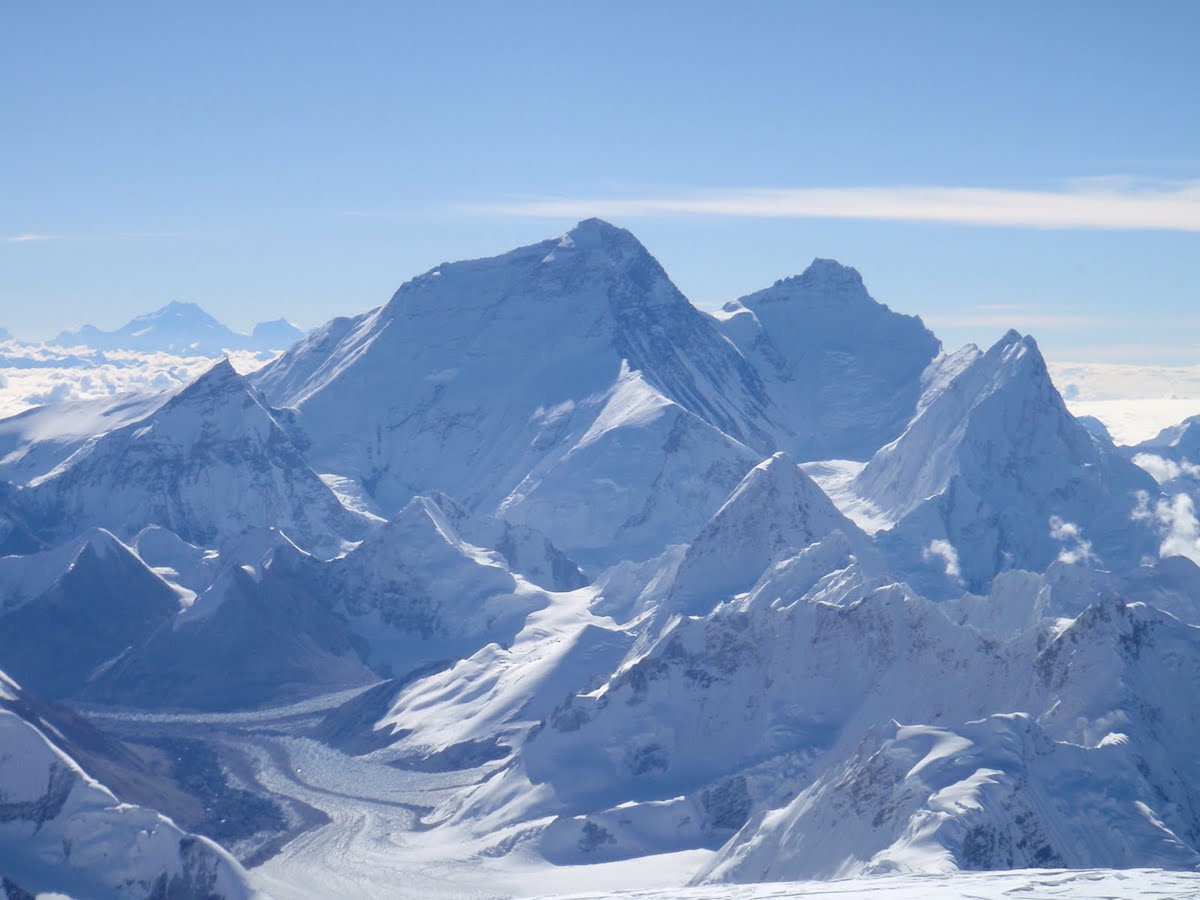
Ski touring on Muztagh Ata, 7546 m, is a high-altitude expedition that combines the ascent with skiing the sections of the classic route where skiing is possible.
This is a trip for experienced ski mountaineers only. It requires confident off-piste skiing with a heavy pack, command of ski-touring technique, crampons and rope, experience above 5000 m and the ability to assess snow and crevasses together with the guide.
Skis can save energy on some ascents and descents, but they do not guarantee an unbroken descent from the summit or from 7000 m. The actual starting point, the sections where skis are carried and the way the team moves are determined by the state of the snow, the wind, the visibility and the safety of the glacier.
The trip runs to 22 or 26 days depending on the entry and exit scheme, through China or through Kyrgyzstan. The high-altitude part of the trip and the reserve stay the same; the exact logistics are confirmed before tickets are bought.
Important. The summit and a ski descent from any given altitude are not guaranteed.
About the Muztagh Ata ski tour
The Muztagh Ata ski tour uses the same altitude framework as the classic expedition: base camp at 4500 m, camps at about 5350 m, 6200 m and 6900 m, and a summit attempt at 7546 m. The difference is the use of skis wherever the snow, the terrain and the guide’s decision allow.
Muztagh Ata is known for its broad snow slopes, but the route crosses an icefall and crevassed zones. Fresh snow can hide the bridges, while hard crust and strong wind turn the descent into a technically demanding task. Skiing technique does not replace crampons, the rope and the willingness to give up on skiing.
Acclimatisation is built around two rotations. The first night at 5350 m tests the equipment and tolerance of altitude. The second reaches 6200 m and gives a full outing at height. After a rest the team climbs through the camps to 6900 m and only then, given an acceptable window, considers the summit and the option of a ski descent.
The itinerary set out here is the 26-day scheme with the approach through Kyrgyzstan. With direct entry and exit through China the trip can take 22 days. Only the logistical stages before and after the mountain part are shortened; the rotations, the high camps and the weather reserve are kept. Airports, transfers and the calendar are confirmed individually before tickets are bought.
Candidates must be able to ski confidently off piste in variable snow, to turn with an expedition pack, to work with an agreed avalanche kit and to understand the limits that altitude imposes. Speed on skis magnifies the consequences of a mistake, so all decisions about the line and the spacing rest with the guide.
Muztagh Ata ski tour itinerary
Day 1. Arrival in Bishkek. A team representative meets the group at the airport and arranges the transfer to the hotel. After a rest we meet the expedition leader and check the ski-touring and technical equipment, the documents and the high-altitude kit. Night in a hotel.
Day 2. Transfer to Tash Rabat, 3000 m. We drive to the Tash Rabat caravanserai and stay in a yurt camp. This first night at 3000 m starts a gradual acclimatisation before entering China. Night in yurts.
Day 3. Transfer to Kashgar. We cross the border at Torugart and continue to Kashgar. After checking in we go through the baggage and confirm that the documents are ready for the rest of the route. The shape and the length of the day depend on the border procedures. Night in a hotel.
Day 4. Kashgar to Subashi, 4000 m. We travel about 200 km along the Karakoram Highway to Subashi; the stated time is 4 to 5 hours. The quick gain to 4000 m calls for taking it easy and paying close attention to how you feel. Night in yurts or tents.
Day 5. Trek to base camp, 4500 m. Accompanied by a camel caravan we walk to base camp in 4 to 6 hours. After settling in we sort the loads and restore our fluid intake. Night in tents.
Day 6. Acclimatisation and equipment check. We make an easy outing and check the ski-touring and technical equipment in the actual snow conditions. The leader goes over the order of travel on the glacier and what to do in the event of a crevasse fall. Night at base camp.
Day 7. First rotation to Camp 1, 5350 m. We climb snow and glacier terrain for about 4 to 6 hours. The night tests tolerance of altitude and how the high-altitude kit performs. Night in tents.
Day 8. Descent to base camp, 4500 m. We come back down in 3 to 4 hours to recover after the first night at altitude. After the descent we review any problems with equipment and with how people feel. Night in tents.
Day 9. Rest. We catch up on sleep, eat well and rehydrate, dry our kit and prepare the loads for the second rotation. The rest day is not replaced by additional work unless the leader decides otherwise. Night at base camp.
Day 10. Second climb to Camp 1, 5350 m. We return along the familiar line. The state of the crevasses and snow bridges may have changed, so the team assesses the route again. Night in tents.
Day 11. Climb to Camp 2, 6200 m. We climb for about 5 to 6 hours over snow slopes and glacier terrain. The sections between camps require the line and the instructions to be followed strictly. Night in tents.
Day 12. Descent to base camp, 4500 m. We come back down in 5 to 6 hours. The large loss of height is needed for a full recovery before the summit cycle. Night in tents.
Day 13. Rest and the decision to continue. The leader assesses how the night at 6200 m was tolerated, the forecast and the state of the route. Participants prepare their high-altitude loads, clothing and food. Night at base camp.
Days 14-16. Climb through Camps 1 and 2 to Camp 3, 6900 m. We begin the summit cycle and climb in stages through 5350 m and 6200 m to the camp at 6900 m. Between the nights we monitor recovery and do not accelerate the schedule. The leader confirms at each stage whether the team continues. Nights in tents.
Day 17. Ascent of Muztagh Ata, 7546 m. We start early in the morning; the stated duration is about 8 to 12 hours. The turnaround time depends on the pace, the wind, the snow, the visibility and how the participants feel. The summit is not guaranteed. Whether skis can be used on the ascent and the descent is decided by the guide, and an unbroken descent is not guaranteed. From the highest point reached we return to Camp 3. Night in tents.
Day 18. Descent to base camp. We descend from 6900 m through the high camps to base camp. After the effort of the summit day it is important to keep concentration in the crevassed zones. Night in tents.
Days 19-21. Reserve. These days allow the summit cycle to be moved because of the weather, the state of the snow or recovery. The reserve does not guarantee a second attempt. If the route is already complete, the time is used for rest and for bringing the loads down safely. Nights in tents.
Day 22. Subashi and Kashgar. We descend from base camp to Subashi and travel on to Kashgar. After checking in we recover and prepare our baggage for the return border crossing. Night in a hotel.
Day 23. Kashgar. The day is used for rest and for whatever cultural activities are available. Exactly what can be visited depends on opening hours and on the actual logistics after the mountain. Night in a hotel.
Day 24. Return to Kyrgyzstan or departure from Kashgar. The main group crosses Torugart and returns to Tash Rabat. An alternative departure from Kashgar is possible only where tickets and transfers are agreed separately. Night in yurts under the main plan.
Day 25. Transfer to Bishkek. We return to Bishkek and stay in a guest house. This day separates the border logistics from the international departure and is used for rest and packing. Night in a guest house.
Day 26. End of the trip. At the agreed time there is a transfer to Manas airport. Participants check in themselves. Tickets should be bought only once the full version of the trip has been confirmed.
What's included
- Professional mountain guides – one per 5 to 6 clients during acclimatisation, one per 3 clients on summit day
- All transfers according to the itinerary
- All accommodation according to the itinerary – hotels, yurts and tents
- Climbing permits
- Meals throughout the trip; breakfasts only in the cities
- Food and gas for the high camps
- Tents and kitchen equipment for the high camps
- Ropes, radios carried by the guides, guides’ first-aid kits, GPS and other group equipment
- Excursions according to the itinerary
- All group equipment
What's not included
- International and domestic flights
- Personal equipment
- Medical insurance for mountaineering
- Lunches and dinners in the cities
- Costs connected with any change to the itinerary
- Rescue work and evacuation
- Tips
Private groups
The Muztagh Ata ski expedition can be arranged for a closed group of friends, a club or a corporate team, with no one else joining. Dates, the make-up of the guiding team and any extra services available on the route are agreed individually.
For a private team we can confirm separately a Russian-speaking leader from the Mountain Guide team, the high-altitude guides and how the skiing will be run. Each participant’s skiing experience, technical equipment and readiness are assessed before booking.
The high-altitude rotations and the weather reserve are not shortened. Whether a ski descent from any particular altitude is possible depends on the snow, the visibility, the participant’s condition and the guide’s decision; neither the summit nor a full descent is guaranteed.
The price depends on the number of participants, the dates you choose, the make-up of the team and any extra services confirmed.
Documents you need
Document requirements depend on your nationality and can change. Check them before you buy non-refundable tickets, and again before you fly. The first name and surname on every booking must match the spelling in your passport exactly.
Mountain Guide does not sell air tickets and does not arrange entry visas, but it does provide the booking confirmations it holds and the documents issued by the host team.
Documents
- A valid passport
- A visa or other entry permit for China, if one is required for your nationality
- International and domestic air tickets, or e-ticket receipts, for the trip
- Medical insurance covering high-altitude mountaineering and ski mountaineering, a maximum altitude of at least 7546 m, search and rescue and emergency evacuation
- Your insurance policy number and the insurer’s 24-hour emergency contact details
- Your booking confirmation for the trip and the organisers’ contact details
- Passport copies, application forms and photographs in the format requested for the climbing permit
- Evidence of your high-altitude and skiing experience, if the host team requires it
- Documents for a participant under 18, where these apply
- Digital copies of your passport, visa, tickets and insurance on your phone and in cloud storage
- Waterproof wallet for your original documents
The documents needed for local permits, and the deadline for sending them, are confirmed for each departure. Carry the originals of your passport, insurance and permits in your hand luggage.
Weather and seasons
The ski expedition runs at a time when the state of the snow cover and the host team’s schedule allow high-altitude rotations to be combined with travel on skis. The published departure is confirmed once the permits have been issued and the actual conditions checked.
The quality of the snow changes with altitude and with the time of day. You can meet crust, deep snow, hard sastrugi, sections of ice, hidden crevasses and strong wind. Skis make some stages and the descent easier only when both the participant and the route are in suitable condition.
The altitude at which the ski descent begins is decided by the guide. Snowfall, poor visibility, ice, wind or fatigue may mean descending on foot or giving up part of the skiing. Neither the summit nor a descent from the altitude stated is guaranteed.
Accommodation and meals
The trip combines hotels in the towns, yurts on some of the driving stages, and tents at base camp and in the high camps. The specific properties, room category and number of nights are confirmed for the dates you choose.
Base camp has a kitchen and a shared dining space. The upper camps use high-altitude tents, with far less space and far fewer comforts, so the quality of your sleeping bag, mat and dry clothing matters especially.
Breakfasts are included in the towns; lunches and dinners are paid separately. On the mountain section, meals, high-altitude food, gas and kitchen equipment are provided to the extent set out in the confirmed itinerary.
Tell us about allergies and dietary restrictions before the trip. A special diet in the high camps depends on self-sufficient logistics.
Facilities on the route
Showers and toilets. Town hotels have the usual facilities. Conditions in the yurt camps and at base camp are simpler and depend on the infrastructure actually set up. There is no shower in the high camps, and the toilet is a field arrangement.
Power and charging. You can charge devices reliably in the towns. Whether you can charge devices at base camp is confirmed before the trip. Above base camp you rely on your own power banks and spare cells.
Internet and phone signal. On the drives and in the mountains there can be long stretches without the usual mobile signal or internet. The team’s working communication plan is confirmed before departure.
Laundry and drying. Plan your laundry for the towns. Regular laundry is not possible in the camps, and drying depends on wind, sun and temperature.
Limits. The permits and the rules for operating in the area are binding on the whole group. You may not change the route on your own, separate from the team, or go onto the glacier without the guide’s agreement.
Страхование
НаверхEquipment list for ski touring on Muztagh Ata
Скачать PDFYou bring all of your own personal equipment. Before the trip, agree your footwear, sleeping bag and technical kit with the guide, taking the season and the actual state of the route into account.
Documents
- Passport
- Air tickets or e-ticket receipts
- Medical insurance covering the stated activity and the maximum altitude of the trip
- We recommend keeping digital copies of your documents on your phone and in cloud storage
Personal equipment
- Rucksack of 70-80 litres
- Sleeping bag with a comfort rating of -20 to -30 °C
- Sleeping mat
- Trekking poles, which must have baskets of at least 70 mm
- Steel crampons
- Classic ice axe with a steel pick, or a technical ice tool
- Climbing harness
- 5 karabiners
- Cow’s-tail lanyards
- Ascender
- Ice screw on its own karabiner
- Descender
- Mug, spoon and bowl
- 5 metres of 5-6 mm accessory cord
Clothing and footwear
- Triple or double boots. Double boots – plastic or leather – ideally with an outer overboot
- Trekking boots
- Trainers (for the towns)
- Waterproof shell: jacket and trousers. The market runs from simple 5,000/5,000 membranes through to Gore-Tex garments
- Fleece top and bottoms
- Base layer, top and bottoms
- Down jacket with a hood. Thick and warm
- Warm mittens
- Spare mittens
- Thick gloves
- Thin gloves
- Bandana (as well as sun protection in the valley, it can keep your throat or face warm in the cold)
- Warm hat
- Warm trekking socks for summit day
Other items
- LED head torch with at least 12 hours of battery life
- Sunglasses
- Ski goggles
- Vacuum flask, 1 litre. Preferably without a push-button lid
- Windproof face mask for the lower face (a scarf will do at a pinch)
- Gaiters
- Sun cream and lip balm
- Chemical hand warmers (not compulsory, but they can be very useful)
- Personal first-aid kit
- Elastic bandage and/or a support brace
Вам также будет интересно:
-
 6,650 $
Aconcagua Climb — 17-Day Guided Expedition
- Height (m)
- 6962
- Duration
- 17 дней
- Difficulty
- Moderate
- Continent
- South America
- Children
- From 14 years old
- Accommodation
- There are tents
-
 3,200 $
Climb Lenin Peak, 7135 m — 21-Day Pamir Expedition