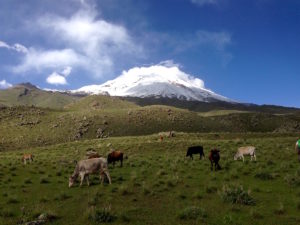
Ararat, 5,137 m in eastern Turkey, is a walking ascent rather than a technical climb. In high summer the route is mainly scree and snow, and what it asks for is the fitness to walk uphill for a long day at altitude together with whatever experience the programme states. Early in the season it is a different mountain: snow can lie a metre deep on the upper slopes, afternoon cloud builds quickly, and the day becomes long and genuinely demanding. Both versions are the same route, and the season is what decides which one you get.
The mountain is a dormant volcano with two summits — Greater Ararat, which is the objective, and the much lower Lesser Ararat beside it. Because there is nothing else of comparable height nearby, all acclimatisation happens on the mountain itself, which is why the schedule matters more here than the terrain does.
Two programmes
The standard ascent is the unhurried version: camps at around 2,200 m and 4,200 m, an acclimatisation carry between them, and a summit day from the high camp. It is the right choice for anyone who has not been above 4,000 m recently, and it leaves room for the weather to be uncooperative for a day.
The three-day format compresses the same route for athletes or for climbers who arrive already acclimatised — typically people combining Ararat with another objective in the same trip. It is not a cheaper version of the standard programme; it is a different product with a prerequisite.
Ararat on skis is the spring alternative, when the snow that makes the summer ascent harder is exactly what makes the descent worth doing.
What the ascent involves
The trip starts in the plain below the mountain and moves up in stages. From the road head above the village of Eli, the walk to the first camp at around 2,200 m takes about five hours. The following day is an acclimatisation carry to the second camp at roughly 4,200 m and back down, and the day after moves up to stay there. Summit day starts early from the high camp and returns the same way.
That is four consecutive days of walking uphill with a pack, at an altitude most people have not slept at. There is no cable car, no mechanised assistance and no lower mountain nearby to acclimatise on first — everything your body adapts to, it adapts to on Ararat itself. That is worth knowing when choosing between the two itineraries below.
Where Ararat fits
Ararat is used both as a first serious mountain and as one leg of a multi-peak trip. It pairs naturally with Elbrus at 5,642 m, which adds glacier travel and cold that Ararat does not test. Kazbek is the next step again, being a genuine glaciated climb rather than a high walk.
Ararat in one season and Elbrus the next gives two ascents above 5,000 m before committing to a long expedition. That progression is worth weighing before booking the shortest itinerary available.
Preparing
Ararat asks for the ability to walk uphill for a long day at altitude, on loose ground, in whatever weather the mountain produces that week, together with the equipment and experience the programme sets out. Training guidance covers the preparation that applies to Ararat and to everything above it. For the wider regional catalogue, see the Asia hub.
-
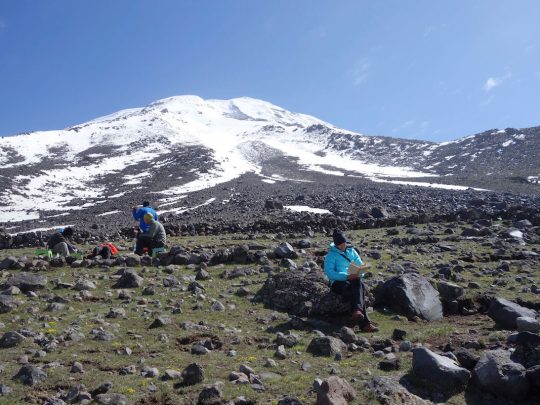 1,100 $
Ararat Blitz, 5137 m — 3-Day Climb for Acclimatised Participants
- Height (m)
- 5137
- Duration
- 3 дня
- Difficulty
- Moderate
- Continent
- Europe
- Children
- Not suitable for children
- Accommodation
- Some nights in tents
-
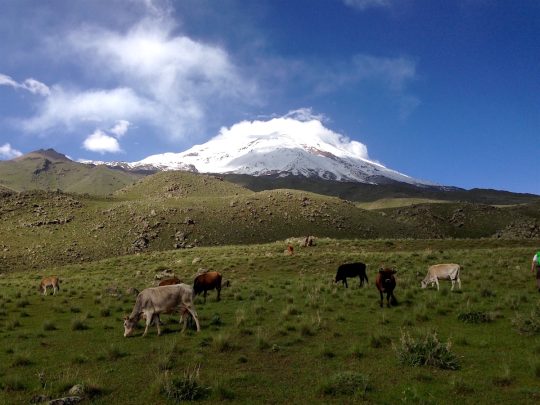 1,100 $
Climb Ararat, 5137 m — 7-Day Classic Climb