- Guides
- B2B
-
Climbs
-
Climb Elbrus
- Elbrus individually
- Elbrus from the South, 9 days
- Elbrus from the South, 7 days
- Climb Elbrus with Oxygen
- Elbrus from the North
- Elbrus Two Summits
- Elbrus Traverse from South to North, 9 Days
- Elbrus Traverse from North to South, 10 Days
- Elbrus "Cross" from South
- Elbrus "Cross" from North
- Kazbek+Elbrus
- Elbrus from the West
- Elbrus by Private Helicopter, 3 Days
- Elbrus Region Holiday and Trekking, 9 Days
- Elbrus Region Holiday, 7 Days
- Elbrus Dating
- Climb Elbrus from the South, 9 Days with Sergey Baranov
- Under 5000 m
- 5000+ meters
- 6000+ meters
- 7000+ meters
- 8000+ meters
-
Climb Elbrus
-
Trekking
-
Trekking in Nepal: routes to the eight-thousanders
- K2 base camp
- Everest base camp
- Everest base camp via Gokyo
- Everest base camp in a week
- Annapurna Circuit and Tilicho Lake Trek
- Manaslu Circuit Trek
- Kanchenjunga Circuit Trek (XXL)
- Kanchenjunga North Base Camp Trek (Short)
- Kanchenjunga from India: the Goecha La Trek in Sikkim
- Makalu Base Camp Trek
- Annapurna Base Camp Trek
- Trekking in South America
- Asia
- Trekking in Africa
-
Trekking in Russia
- Elbrus Region Holiday and Trekking, 9 Days
- Elbrus Region Holiday, 7 Days
- Oshten + Kardyvach — 9-Day Western Caucasus Trek
- Lake Kardyvach — 5-Day Base-Camp Trek
- Route 30: Through the Mountains to the Sea, with Oshten — 4 Days
- Trekking in Arkhyz — 7 Days over the Ayulyu Pass
- Gvandra Trek — 7 Days to the Ullu-Kyol Lakes
- Trekking in Dombai — 7 Days with the Murudzhu Lakes
- Europe
-
Trekking in Nepal: routes to the eight-thousanders
-
Adventure expeditions
-
Trekking in Africa
- Tour to Morocco for New Year
- Morocco: Toubkal and the mysteries of the Sahara
- Eritrea: the Dahlak Archipelago and the Rashaida Nomads
- Rwanda: Mountain Gorillas and the Bisoke Volcano
- Ethiopia: Otherworldly Landscapes and the Peoples of the Omo Valley
- Tanzania Safari: Serengeti, Ngorongoro and Tarangire
- Zimbabwe and South Africa: Victoria Falls, Cape Town and the Cape of Good Hope
- Namibia: Etosha National Park and the Himba
- Kenya Safari: the African Big Five
- Trekking in South America
- Asia
-
Trekking in Africa
- Ski touring and ski mountaineering: chasing freedom in the mountains
- VIP tours
- Useful
- About
Botswana 4×4 Safari: Chobe, Savuti, Khwai, Moremi and the Okavango
- Height (m)
- Under 2,000
- Duration
- 14 days
- Difficulty
- Low
- Continent
- Africa
- Children
- Ages 14+
- Accommodation
- Some nights in tents
- suitable-for-beginners
- Yes
Price on request
Temporarily unavailable
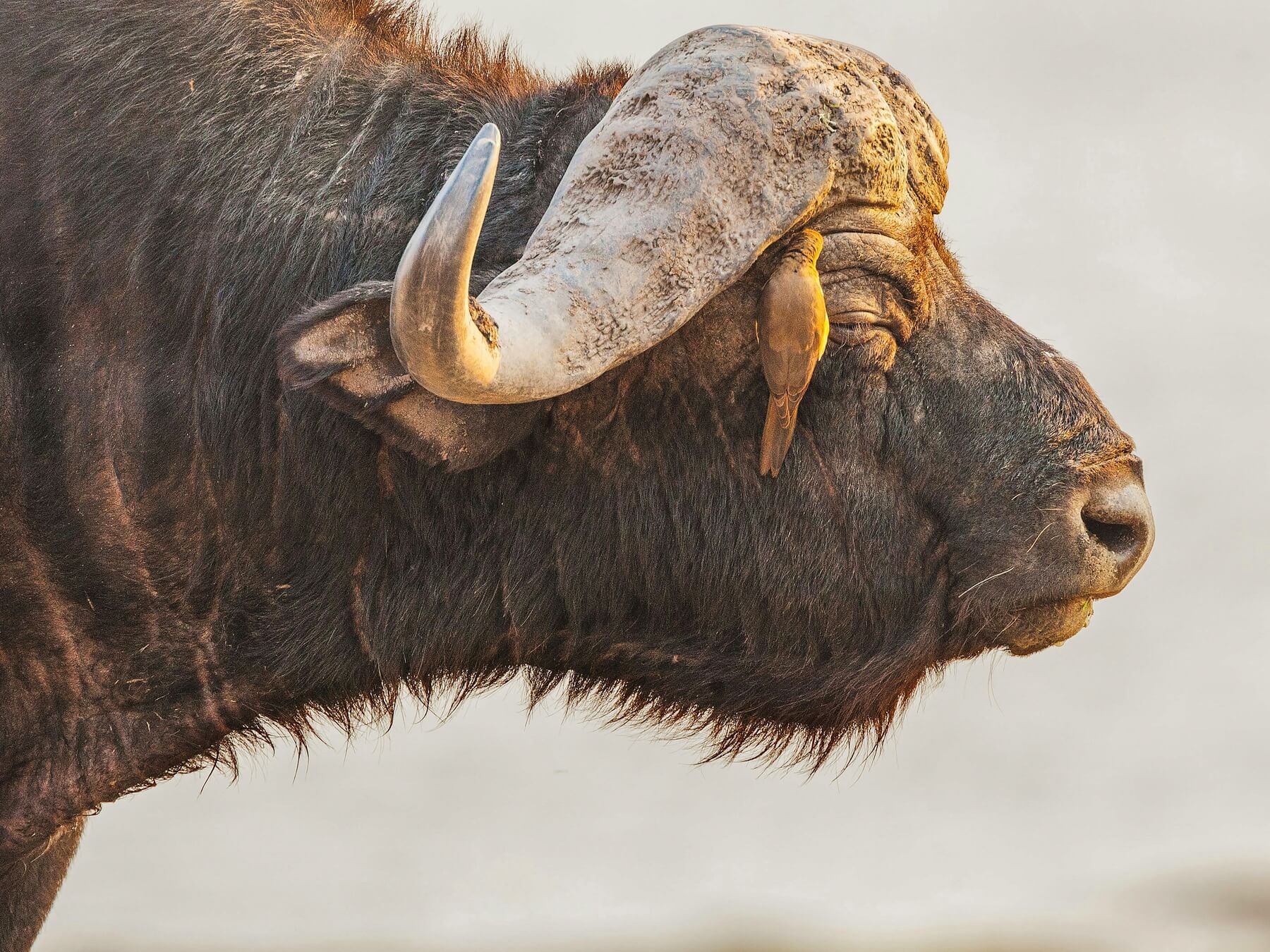
The principal four-wheel-drive safari route in Botswana: Chobe, Savuti, Khwai, Moremi and the water channels of the Okavango, with no promises of particular wildlife encounters.
Two formats on one page: ten days from Kasane to Maun, or the full fourteen days through to Windhoek. The full version has confirmed group departure dates. The price is confirmed by the manager once the local partner's costing has been received.
About the Botswana safari
The route keeps everything of value from the earlier expedition: the off-road format, the checking of vehicles and equipment, the reserve of water and food, the alternation of lodges with mobile camps, and strict rules for living in unfenced bush. Undocumented figures about animal numbers, and the erroneous reference to an Okavango national park, have been removed.
The main version runs to fourteen days: Kasane, Chobe, Savuti, Khwai, Moremi, Maun, the water section of the Okavango, the salt pans, Ghanzi and Windhoek.
The short version runs to ten days, Kasane to Maun: the same northern safari without the salt pans, Ghanzi and the long exit into Namibia. We do not recommend shortening the route any further: sand transfers would begin to crowd out the wildlife watching itself.
The base format is expedition four-wheel-drive vehicles with a professional local team. Self-drive is possible for a private group only after a check of driving licences, insurance, the hire terms and experience of deep sand.
Itinerary of the Botswana safari: 10 or 14 days
Day 1. Kasane and a boat safari on the Chobe river.
Meeting in Kasane, check-in and a briefing on the route. In the afternoon there is a boat trip on the Chobe river with a licensed local crew. The departure time depends on the arrival of the group, the weather and the operator's rules. The sighting of any particular animal is not guaranteed.
Day 2. The Chobe Riverfront.
Morning and evening game drives on the permitted tracks of the northern part of Chobe National Park. Between the drives there is rest and preparation of the vehicles for the sand section. The group does not leave the vehicle where the rangers have not permitted it.
Day 3. Chobe to Savuti.
A major off-road crossing into the central part of Chobe. Deep sand and the condition of the seasonal tracks can change the driving time considerably. The transfer is also a game-viewing day: the stops and the line taken are decided by the guide and not by a fixed daily distance.
Day 4. Savuti.
A full day in the Savuti area, with morning and evening drives and rest during the hottest hours. The landscape and the distribution of the animals change with the water and the season, so the trip does not promise a particular pride, a hunt or any particular species.
Day 5. Savuti to Khwai.
A transfer on sand tracks to the Khwai river system. The camp or lodge is confirmed in the final ground package. After arrival a short evening drive is possible if there is light left and the team is not worn out by the road.
Day 6. Khwai.
Game viewing in the permitted community or concession area. A night drive and a walk are possible only where they are allowed, and only with a qualified local guide. A mokoro trip is run when the water level is safe and the weather is suitable.
Day 7. Khwai to Moremi.
The crossing into Moremi Game Reserve, watching the different landscape types of the delta. Before transfers the group prepares soft luggage, water and dust protection for equipment in advance. The night is spent in a mobile or fixed camp according to the confirmed arrangement.
Day 8. Moremi.
A full day of game viewing in the chosen sector of Moremi. The route inside the reserve depends on the state of the bridges, the water and the tracks; the guide may replace an inaccessible section with an equivalent area without cutting the time spent game viewing.
Day 9. Moremi to Maun.
A morning drive and the return to Maun. Accommodation in a lodge, a shower, an equipment check and rest after the mobile section. If the road delays the group, the water activity is moved to the following day.
Day 10. The Okavango channels and the end of the short version in Maun.
A mokoro trip or a boat trip with a local team on an accessible part of the delta. A walk is made only after the guide has assessed the conditions. After this trip, participants on the ten-day format finish their tour in Maun; the full group continues.
Day 11. Maun to Nxai Pan or Makgadikgadi.
The transfer to the salt pans. The particular park is chosen after a check of the seasonal tracks, the water and the actual ground package. In the afternoon there is a game drive or a sunset walk in a permitted area.
Day 12. Makgadikgadi or Nxai Pan.
A full day in the chosen ecosystem. Watching meerkats is possible only through an operator that keeps its distance and does not feed the animals. Driving out onto the open surface of the pan depends on the water and the state of the ground.
Day 13. The transfer to Ghanzi and the Kalahari.
A long driving day with water and fuel replenishment. A cultural meeting is held only with an agreed local organisation: without staged exoticism, without intrusive photography and without any promise of access to closed communities.
Day 14. Ghanzi to the border and Windhoek.
The crossing of the Botswana and Namibia border and arrival in Windhoek. It is better to plan the international flight for the following day: the road, the border procedures and the condition of the transport can all change the finishing time.
What's included
- Meeting in Kasane and the transfers along the published route
- Prepared four-wheel-drive vehicles, fuel and road costs
- The work of a licensed local safari team
- Lodges and equipped mobile or fixed camps according to the costing
- Meals in the remote camps and drinking water to the operator's standards
- Game drives in Chobe, Savuti, Khwai and Moremi
- The boat trip on the Chobe and a mokoro or boat in the Okavango, in safe conditions
- The park and concession fees stated in the confirmation
- Shared camp, navigation and emergency equipment
- The border logistics of the full fourteen-day version
The exact type of camp, the toilet and washing facilities, the drinks and the single-occupancy supplement are fixed by the manager before payment.
What's not included
- International and regional flights
- Visas and fees that depend on nationality
- Victoria Falls and any nights before the start in Kasane
- Single occupancy and a private vehicle
- Alcohol, premium drinks and meals outside the confirmed package
- Tips and personal expenses
- The deposit, the excess and damage to the vehicle under a separately agreed self-drive arrangement
- Costs arising from flight, border or road delays, the weather and decisions taken by the parks
Private groups
A private group can choose the 10-day or 14-day version, the standard of the lodges, one vehicle per family, and a self-drive where that is confirmed. The price is worked out once we have two comparable partner quotes. We do not add locations at the cost of dangerous night driving.
Documents you need
- A passport with validity to spare for the whole route
- Visas and permits according to your nationality and the borders actually crossed
- Insurance including medical evacuation
- Confirmed air tickets and a spare night after the finish in Windhoek
- Driving documents and proof of cover — only for an agreed self-drive
Weather and seasons
May is the change into the dry season: the roads usually firm up, nights and early mornings are cooler, and the midday sun stays strong. Water levels in different parts of the Okavango do not rise and fall in step with the local rains, so the partner confirms the actual water route nearer to departure.
Rain, deep sand, a damaged bridge or a decision by the parks can all change a section of the route. Substituting an inaccessible area is not a promise that you will see the same animals somewhere else.
Accommodation and meals
The route combines lodges with mobile or fixed safari camps. You may be in tents on the ground or on the vehicle roof, with a field shower and toilet. The exact configuration, bedding and electricity are fixed in the ground quote.
In the remote camps the team does the cooking. Allergies and restrictions are notified before booking; special food cannot be bought in the bush.
Facilities and communications
The camps may be unfenced. After dark you do not walk about without the team's permission, keep food in your tent, feed animals, or leave the vehicle on your own. There is no signal or internet along much of the route; charging depends on the vehicle inverter and on what the camp has.
Insurance
Show insurance calculator (Russian)
This calculator is provided by an external provider and uses a Russian-language interface.
What to bring on the Botswana safari
Download PDF- A soft holdall rather than a hard suitcase
- Small day pack
- Light closed shoes, and sandals for camp
- Neutral-coloured clothing for the heat, and a warm layer for early mornings and evenings
- Lightweight windproof and waterproof jacket
- Hat, sunglasses and sun cream
- Head torch, power bank and spare cells
- Binoculars, and protection for your camera gear against dust
- Reusable water bottle
- Your own medication and a small first-aid kit