- Guides
- B2B
-
Climbs
-
Climb Elbrus
- Elbrus individually
- Elbrus from the South, 9 days
- Elbrus from the South, 7 days
- Climb Elbrus with Oxygen
- Elbrus from the North
- Elbrus Two Summits
- Elbrus Traverse from South to North, 9 Days
- Elbrus Traverse from North to South, 10 Days
- Elbrus "Cross" from South
- Elbrus "Cross" from North
- Kazbek+Elbrus
- Elbrus from the West
- Elbrus by Private Helicopter, 3 Days
- Elbrus Region Holiday and Trekking, 9 Days
- Elbrus Region Holiday, 7 Days
- Elbrus Dating
- Climb Elbrus from the South, 9 Days with Sergey Baranov
- Under 5000 m
- 5000+ meters
- 6000+ meters
- 7000+ meters
- 8000+ meters
-
Climb Elbrus
-
Trekking
-
Trekking in Nepal: routes to the eight-thousanders
- K2 base camp
- Everest base camp
- Everest base camp via Gokyo
- Everest base camp in a week
- Annapurna Circuit and Tilicho Lake Trek
- Manaslu Circuit Trek
- Kanchenjunga Circuit Trek (XXL)
- Kanchenjunga North Base Camp Trek (Short)
- Kanchenjunga from India: the Goecha La Trek in Sikkim
- Makalu Base Camp Trek
- Annapurna Base Camp Trek
- Trekking in South America
- Asia
- Trekking in Africa
-
Trekking in Russia
- Elbrus Region Holiday and Trekking, 9 Days
- Elbrus Region Holiday, 7 Days
- Oshten + Kardyvach — 9-Day Western Caucasus Trek
- Lake Kardyvach — 5-Day Base-Camp Trek
- Route 30: Through the Mountains to the Sea, with Oshten — 4 Days
- Trekking in Arkhyz — 7 Days over the Ayulyu Pass
- Gvandra Trek — 7 Days to the Ullu-Kyol Lakes
- Trekking in Dombai — 7 Days with the Murudzhu Lakes
- Europe
-
Trekking in Nepal: routes to the eight-thousanders
-
Adventure expeditions
-
Trekking in Africa
- Tour to Morocco for New Year
- Morocco: Toubkal and the mysteries of the Sahara
- Eritrea: the Dahlak Archipelago and the Rashaida Nomads
- Rwanda: Mountain Gorillas and the Bisoke Volcano
- Ethiopia: Otherworldly Landscapes and the Peoples of the Omo Valley
- Tanzania Safari: Serengeti, Ngorongoro and Tarangire
- Zimbabwe and South Africa: Victoria Falls, Cape Town and the Cape of Good Hope
- Namibia: Etosha National Park and the Himba
- Kenya Safari: the African Big Five
- Trekking in South America
- Asia
-
Trekking in Africa
- Ski touring and ski mountaineering: chasing freedom in the mountains
- VIP tours
- Useful
- About
Climb Kosciuszko and Travel in Australia, 7 Days
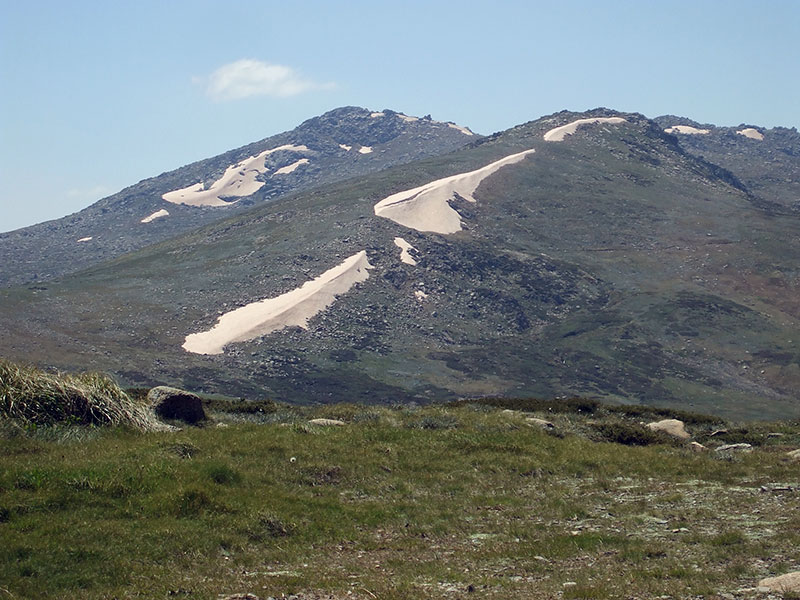
Climbing Kosciuszko is a seven-day journey through the Australian Alps and Canberra, with the ascent of the highest point of mainland Australia at 2228 m. The trip combines a one-day mountain route, walks in the national park and a cultural part in the capital.
Kosciuszko belongs to the Seven Summits in Richard Bass's version of the list. It is technically the most accessible summit of the project: in a normal snow-free season the route needs no mountaineering experience, no crampons, no ice axe and no ropes. What it does need is ordinary fitness, comfortable walking boots and the readiness to cover 13 km.
The ascent starts at Thredbo. After the chairlift, the group follows the official Kosciuszko Walk to the summit and back. The estimated time is 4 to 5 hours. Whether the chairlift is running, the state of the track and any national park restrictions are checked before setting out.
- The summit of Kosciuszko at 2228 m
- One of the Seven Summits in the Bass list
- A route with no technical mountaineering
- The official Kosciuszko Walk – 13 km there and back
- Accommodation in Jindabyne and Canberra
- Walks in Kosciuszko National Park
- Visits to the National Gallery of Australia and Parliament House
- A format that suits beginners, families and private groups
For groups of four or more, the trip is accompanied by a Mountain Guide team leader. The make-up of the accompanying team for a smaller or private group is confirmed before booking.
Important
- International flights and the Australian visa are not included
- Whether the chairlift is running and the state of the track are checked before setting out
- Mountain Guide does not sell air tickets and does not arrange visas
About the Kosciuszko climb
Mount Kosciuszko stands in the Australian Alps in the state of New South Wales. Its height is 2228 m. It is the highest point of mainland Australia and the summit that represents the continent in the Seven Summits project in Richard Bass’s version of the list.
In Reinhold Messner’s list, Australia and Oceania are represented by Carstensz Pyramid, 4884 m, in the Indonesian part of New Guinea. Kosciuszko and Carstensz cannot be treated as equals in difficulty: the first is a walking summit, while the second demands confident work on technical rock terrain.
The standard route of the trip starts in the mountain village of Thredbo. The chairlift takes participants up to the start of the Kosciuszko Walk. According to the national park, the way to the summit and back is 13 km, takes about 4 to 5 hours and is classed as a medium-grade walking route.
The track runs over metal boardwalks and a formed path across alpine meadows, crosses the headwaters of the Snowy River, passes above Lake Cootapatamba and reaches the summit by way of Rawson Pass. Running on the metal boardwalks is not allowed, and footwear must have a stable sole.
Mountaineering experience is not required, but the route must not be attempted in town shoes or without protection from the weather. In the Australian Alps strong wind, cold rain, mist and snow are all possible even outside the calendar winter. Participants carry their own water, a spare warm layer, waterproof clothing and personal items.
In winter and during periods of settled snow cover, the Kosciuszko Walk requires a different format, different skills and different equipment. The seven-day trip is built around the standard walking route with the chairlift running and the track open. Current conditions are checked before the trip.
Jindabyne serves as the base for the mountain part of the journey. From here the group travels to Thredbo and out on walks in the national park. Watching kangaroos, wombats and rare birds is possible, but an encounter with wildlife is not guaranteed.
After the Australian Alps the trip continues in Canberra. The itinerary includes the National Gallery of Australia, Parliament House and the botanic gardens. The actual order of visits depends on opening hours, events and advance confirmations.
Kosciuszko suits beginners, families and travellers who want to start the Seven Summits project without technical mountaineering. For participants who intend to continue the project, this trip helps them judge how they respond to long days on foot, mountain weather and working in a group, but it does not replace experience on snow and at altitude.
If you are not training regularly at the moment, begin preparing for a mountain route in advance. The aim of that preparation is to cover 13 km with a day pack comfortably, hold a steady pace on the ascent and keep enough in reserve for the descent if the weather turns.
The trip requires medical insurance covering active trekking, medical assistance, search and rescue and emergency evacuation. The terms of the policy must be checked before the trip is paid for.
Kosciuszko climb and Australia travel itinerary, 7 days
Day 1. Arrival in Canberra and transfer to Jindabyne. Participants make their own way to Canberra. A team representative meets the group at the airport, after which the transfer to Jindabyne begins – the main base for the mountain part of the trip. After checking in, participants rest after the flight, meet the guide and go through the plan for the coming days. The guide checks footwear, clothing, day packs and protection against bad weather. Dinner is paid for individually. Night in a hotel.
Day 2. Jindabyne and preparation for the mountain route. After breakfast the group takes a walk along Lake Jindabyne. The length and the exact route are chosen according to the weather and how the participants feel. A visit to the local museum and other sites takes place where opening hours are confirmed. The day is used to recover after the flight, check the group’s pace and complete the preparation for the Kosciuszko ascent. Lunch and dinner are paid for individually. Night in a hotel.
Day 3. Ascent of Mount Kosciuszko, 2228 m. After breakfast the group travels to Thredbo. If the chairlift is running, we ride up to the start of the Kosciuszko Walk and set off on foot. The route to the summit and back is about 13 km and normally takes 4 to 5 hours. The group moves at a steady pace with stops for water, food and a look at the weather. In clear visibility the summit gives a panorama of the Australian Alps. In strong wind, thunderstorms or snowfall, or if the track or the chairlift is closed, the guide changes tactics or ends the outing. After the descent we return to Jindabyne. Lunch and dinner are paid for individually. Night in a hotel.
Day 4. Kosciuszko National Park. After breakfast the group continues exploring the national park. The particular walk is chosen by the guide according to the state of the tracks, the weather and how the participants feel after the ascent. The aim of the day is to recover at an easy pace, see the alpine landscapes and learn more about the local ecosystem. Meeting kangaroos, wombats or rare birds is possible but not guaranteed. Lunch and dinner are paid for individually. Night in a hotel.
Day 5. Transfer to Canberra and cultural activities. After breakfast the group travels to Canberra. Visits to the National Gallery of Australia and Parliament House are planned during the day, together with a walk through the botanic gardens. The order and the extent of the trip depend on opening hours, parliamentary business and the availability of particular rooms. Paid temporary exhibitions are included only after separate confirmation. Lunch and dinner are paid for individually. Night in a hotel.
Day 6. Canberra or a winery visit. After breakfast participants choose either a free day in Canberra or an agreed trip to a winery in the region. Whether the winery trip is possible, and its transport, tasting and cost, are confirmed before the trip. If the excursion is not chosen, participants plan their own walks, shopping and cafes. Night in a hotel.
Day 7. End of the trip. After breakfast and check-out there is a group transfer to Canberra airport. The departure time is set by the schedule of the agreed flight and the time needed for the journey and check-in. Participants check in on their own and the trip ends here.
What's included
- A Mountain Guide team leader for groups of four or more participants
- Meet and greet on arrival and departure at Canberra airport
- Hotel accommodation – 4 nights in Jindabyne and 2 nights in Canberra
- Twin-share accommodation
- Breakfasts at the hotels
- Group transfers according to the confirmed itinerary
- A duffel bag for personal belongings, provided by the team on site
- Permits, registrations and national park entries where these are required for the confirmed itinerary
- Arranging the visits to the National Gallery of Australia and Parliament House
Whether the Thredbo chairlift ticket and paid temporary exhibitions are included is confirmed in the commercial offer before booking.
What's not included
- International and domestic flights
- The Australian visa or any other entry permission required
- Medical insurance covering active trekking, search and rescue and emergency evacuation
- The single occupancy supplement
- Early check-in and late check-out at the hotels
- Lunches and dinners
- The winery trip, tastings and alcoholic drinks, unless their inclusion is separately confirmed
- Paid temporary exhibitions and special events
- Tips
- Costs arising from an individual departure from the itinerary
- Additional costs caused by delayed or cancelled flights or by the closure of roads, tracks or the chairlift
Private groups - a bespoke Kosciuszko tour
Mountain Guide arranges bespoke Kosciuszko trips for couples, families, groups of friends and corporate groups. A private format lets you choose your dates without waiting for a group to fill, and agree the pace, the accommodation and the cultural part in advance. Who accompanies the group depends on its size. Whether a Russian-speaking Mountain Guide leader joins, the transport and the price are all confirmed before booking. The trip can be adapted with extra nights in Jindabyne or Canberra, family walks and an agreed winery trip. Any addition is included only once the partners have confirmed it and it has been separately quoted. Summit day still depends on the chairlift running, on the state of the trail and on the weather. A private format does not mean the outing can go ahead when the route is closed or conditions are unsafe. Whether children and people with limited experience can take part is assessed case by case. We consider whether they can cover 13 km, how they cope with changeable weather and whether they are prepared to follow the guide’s decisions. Tell us your dates, who is coming, the participants’ ages and what you would like from the cultural part.
Documents required for the Kosciuszko trip
Check your documents and your flight routing before buying non-refundable tickets. The requirements for an Australian visa or electronic authorisation depend on your nationality and can change. Mountain Guide does not arrange visas or sell air tickets, but does provide whatever confirmations of the trip it holds. Your insurance policy must cover active trekking, medical treatment, search and rescue and emergency evacuation.
Documents
- A valid passport
- An Australian visa or other entry permit appropriate to your nationality
- International and domestic air tickets, or e-ticket receipts
- Medical insurance for active trekking and emergency evacuation
- Your policy number and the insurer’s 24-hour emergency contact details
- Documents for a participant under 18, where these apply
- Digital copies of your passport, visa, tickets and insurance
- Waterproof document wallet
The given name and surname on your tickets, visa and insurance policy must match your passport. Carry the originals in your hand luggage.
Weather and seasons for the Kosciuszko climb
The standard trip is designed for the snow-free walking season, when the Kosciuszko Walk is open and the Thredbo chairlift is running. The national park states that in winter, roughly from June to October, the route is normally under snow. Even in the warmer months the Australian Alps remain an area of rapidly changing weather. Strong wind, cold rain, mist, thunderstorms and snow are all possible. The forecast is checked before departure and again on the morning of the climb. Sun and wind increase dehydration and the strain on your skin. You need water, a hat, sunglasses and sun cream, along with membrane clothing and a warm layer. The chairlift closing, a national park warning or unsafe conditions may mean the outing is moved, changed or cancelled. The decision is the guide’s, taking account of any official restrictions.
Accommodation and meals on the Kosciuszko tour
The trip includes 6 nights in hotels: 4 nights in Jindabyne and 2 in Canberra. The standard accommodation is two people to a room. The particular hotels and room categories are confirmed for your chosen dates. Single occupancy, an upgraded room, early check-in and late check-out are possible subject to availability and an extra charge. The terms are fixed before booking. Breakfasts at the hotels are included in the price. Lunches, dinners, drinks and food during the walks are at participants’ own expense. Bring water and your own snacks for summit day. Food allergies and medical restrictions should be reported before booking, though whether a special diet is possible depends on the hotels and restaurants chosen. The winery trip, the transport, the tasting and any alcohol are not automatically included. What they consist of and what they cost are confirmed separately.
Day-to-day conditions on the Australia trip
The accommodation is in town hotels. Exactly what is provided – a kettle, a safe, laundry, parking and other facilities – depends on the property confirmed. A shower, toilet and electricity are available at the hotels. Wi-Fi is usually provided, but the speed and the terms of access depend on the hotel. Whether you can do laundry, or use a laundry service, is confirmed locally and may cost extra. During the walks in the national park there is limited access to buildings, phone coverage and charging. Charge your phone, watch and camera beforehand, and carry water and clothing in your day pack. The mobile signal can be unreliable on parts of the mountain route. Having a signal should not be your only means of navigation or of contacting the group. Participants follow the national park’s rules: no leaving the official trail without the guide’s decision, no feeding the animals, and all personal rubbish carried out.
Insurance
Show insurance calculator (Russian)
This calculator is provided by an external provider and uses a Russian-language interface.
Equipment and useful extras for the Kosciuszko climb
Download PDFThe standard trip involves no nights under canvas and calls for no crampons, ice axe, helmet, climbing harness or other mountaineering equipment. The winter route is not part of this trip.
Documents
- Passport
- An Australian visa or entry permit
- Air tickets or e-ticket receipts
- Medical insurance
- Digital copies of your documents
- Waterproof document wallet
Personal equipment
- A 30-40 litre day pack
- Waterproof rucksack cover
- Folding trekking poles – optional
- Water containers holding at least 2 litres in total
- Your own snacks for summit day
- A dry bag for clothing and electronics
Clothing and footwear
- Waterproof trekking boots with a dependable sole
- Light footwear for town and the hotels
- Quick-drying T-shirt
- A long-sleeved top
- Fleece jacket
- A warm jacket with light insulation
- Waterproof shell jacket with a hood
- Waterproof shell trousers
- Quick-drying trekking trousers
- Thin gloves
- Warm hat
- Buff or bandana
- Sun cap or brimmed hat
- Trekking socks
- A spare set of dry underwear and socks
- Town clothes for Canberra
Useful extras
- Head torch with spare batteries
- Sunglasses with UV protection
- Sun cream
- Lip balm with sun protection
- Power bank and charging cables
- Small quick-drying towel
- Personal toiletries
- A personal first-aid kit suited to your own medical needs
- Elastic bandage or a personal support brace
- Blister prevention and treatment
Before the trip, read our piece on the personal first-aid kit and make sure your footwear is already broken in on long walks. Trekking poles are not technical equipment, but they can ease the load on your knees during the descent. It is worth reading our advice on choosing and adjusting trekking poles beforehand.
You may also like
-
 1,100 $
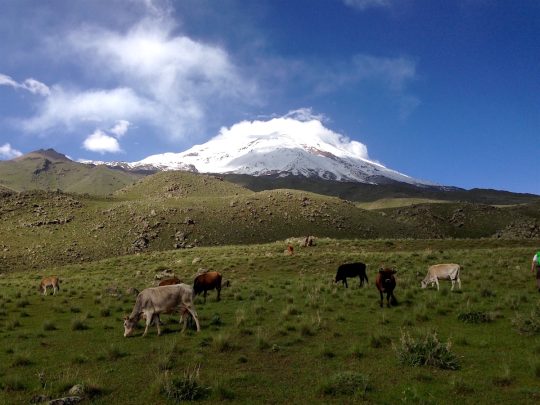
Climb Ararat, 5137 m — 7-Day Classic Climb
-
 3,900 $
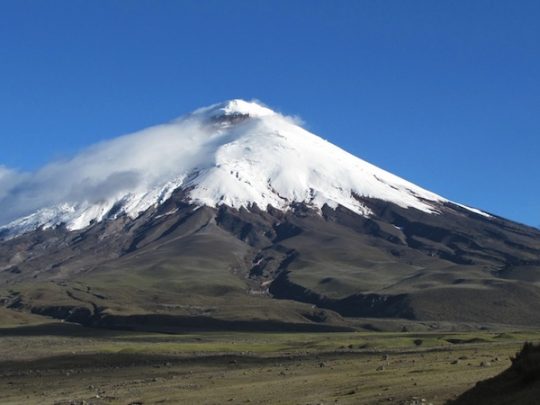
Climb Chimborazo and Cotopaxi — 14-Day Ecuador Expedition
- Height (m)
- 6263, 5897
- Duration
- 14 days
- Difficulty
- Moderate
- Continent
- South America
- Children
- Ages 14+
- Accommodation
- Hotels only
-
 1,500 $
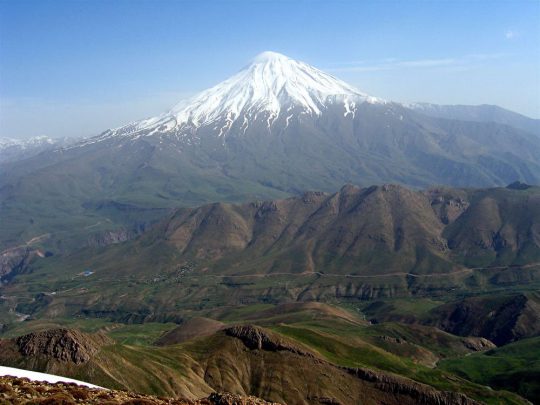
Climb Damavand, 5610 m — 7-Day Southern Route
-
 3,136 $
Climb Kilimanjaro: the Marangu Route